OceSha AI helps you measure course, content and audience activity in one connected view
Review available activity across publishing, audience engagement, enrollments and revenue, then compare periods to see how your OceSha AI presence is developing.

OceSha AI’s Analytics area brings together available information about courses, content production, audience activity, leads, messages and revenue. Depending on the activity and metrics available to you, that can include page views, captured leads, received messages, course enrollments, paid and free learners, and revenue. Review a selected period alongside another period to understand what is developing—not just what you have created, but what happens after you publish.
- Analytics connects activity across courses, published content, audience engagement, leads, messages and revenue.
- Available Growth Overview metrics can include page views, captured leads, received messages and revenue; course-related metrics can include enrollments and paid and free users.
- Review metrics over different periods to understand how your courses, content and audience are developing.
- For courses offered in both formats, distinguish paid enrollment activity from free enrollment activity when interpreting results.
- Use analytics to examine the path from content creation and publishing to audience activity, leads or enrollments, and revenue.
What does OceSha AI show across your presence?
OceSha AI is a self-service platform for turning knowledge and expertise into courses, digital content, a professional presence and audience engagement. Its Analytics area provides visibility into activity across that connected ecosystem. Rather than looking only at a completed course or a published asset, you can review available information about content production, courses, audience activity, leads, messages and revenue. That wider view matters when you are deciding whether your work is reaching people and what to develop next.
The useful question is not simply, “What did I publish?” It is, “What activity followed?” OceSha AI connects content creation, publishing, audience activity, leads, messages, enrollments, revenue and analytics in one workflow. For the wider approach to visibility and capturing interest, start with building a public presence and capturing interest. To see the creation workflows behind that activity, explore the OceSha AI course and content platform.
Activity means the available signals associated with what you create and publish, how people engage with your presence, and what happens around leads, messages, courses and revenue. Analytics helps you examine those signals together and over time.
Which audience and engagement signals should you review?
Start with the available Growth Overview metrics. These can include page views, leads captured, messages received and revenue generated. Page views give you a view of attention to your presence; captured leads and received messages show more direct expressions of interest. Revenue belongs in the same review because it helps you see commercial activity alongside audience activity, rather than treating publishing as the end of the process.
The Authority Page connects professional visibility and course discovery with audience engagement and lead generation. Published material can bring visitors to that page, where they can become leads, learners or customers. When you review analytics, keep that sequence in mind: an audience signal is more useful when you know which published work or part of your presence you are evaluating. If your immediate question is how to bring your work together for visitors, see presenting expertise, published content and courses in one place.
Page views, leads, messages and revenue are examples of metrics that available analytics can include, not a promise that every metric appears for every user or activity. Check the metrics shown for your presence before choosing what to compare.
How does course activity fit into the picture?
Course information can include total enrollments, paid learners, free learners, revenue and other available course activity. Read these alongside audience activity. A published course is part of a broader path: people may discover it through a creator’s Authority Page or the public Courses Directory, then enroll. Analytics helps you examine the resulting activity across the presence you have built, rather than judging the course only by its publication status.
If you offer both free and paid courses, separate those enrollment types in your interpretation. Total enrollments describe participation, while the paid and free figures provide essential context about the kind of participation taking place. Course revenue is also a different matter from what you pay for an OceSha AI subscription. Keep creator revenue and platform subscription billing separate when reviewing financial information.
Suppose you publish content that introduces an area of your expertise and also publish a course on that subject. Review the available page views, leads and messages to understand interest in your presence. Then look at available course enrollments, including paid and free learners where relevant, and revenue. This does not turn every audience action into a course outcome; it gives you a more complete set of activity to review before deciding what to publish or develop next.
What can content analytics tell you after publication?
OceSha AI is designed for more than generating a course once. You can bring in knowledge through documents, websites, text, audio, video and other existing material, then use it to create educational and professional content. The platform’s publishing workflows put courses and content into use; analytics adds visibility into overall content activity across OceSha AI. That distinction matters: creating an asset tells you what is ready, while reviewing activity helps you understand how your ongoing work is developing.
A long-form video, for example, can become an episode and produce short clips. Content can also become social material and be published through the appropriate workflows. The practical review is to look beyond the list of things made: consider your available content activity together with audience activity, leads and messages. If you are still organizing existing work into new assets, see managing and reusing previously generated content. If work is ready to move forward, the next question is moving AI-generated content from review to publication or scheduling.
Content production describes what you are making across OceSha AI. Audience activity, leads and messages describe other parts of the picture. Review them together, but do not use the volume of produced content alone as your measure of audience engagement.
How should you compare activity over time?
Use the Analytics area to examine available activity over different periods. Begin by choosing the period you want to understand, then review the metrics available for that period across audience engagement, courses, content and revenue. Change the period and review the same kinds of information again. This gives you a way to understand how your courses, content and audience are developing, rather than drawing a conclusion from a single snapshot.
- Choose the period relevant to the publishing or course activity you want to examine.
- Review available audience signals, including page views, captured leads and received messages where shown.
- Check course activity, including enrollments, paid and free learners, and revenue where available.
- Look at content production alongside the audience and course figures to understand the wider activity across your presence.
- Review another period before deciding what deserves more attention.
Keep the comparison tied to a decision. If you are assessing course interest, concentrate on enrollments and the paid/free distinction while retaining the audience context. If you are assessing your public presence, start with available page views, leads and messages, then look at related course and revenue activity. For a focused walkthrough of choosing a period and reading the available figures, see reviewing content, audience, enrollment and revenue metrics for a selected period.
What should you do with the results?
Use analytics as a review of the full path from expertise to published work and audience response. OceSha AI helps individuals and organizations turn existing knowledge into education, digital content and opportunities for engagement and revenue. Once work is published, the Analytics area helps you see the available activity that follows. The strongest next step is specific: decide whether you need to develop a course, continue producing content, improve how your expertise is presented, or examine the leads and messages already received.
Lumi, OceSha AI’s AI Concierge, provides informational and how-to guidance for finding analytics and choosing the appropriate platform area. OceSha AI is the self-service creation platform of OceSha Ventures and its AI-first solutions, which builds and operates solutions for businesses and organizations. If you want to discuss how the platform fits your work, talk to the OceSha team.
- Is my published presence drawing attention?
- Review available page views, leads and messages.
- Are people taking part in my courses?
- Review available enrollments and paid and free learner activity.
- How is the wider effort developing?
- Compare periods and consider content, audience, course and revenue activity together.
Create and publish from your expertise, then review the available activity across your OceSha AI presence.
Explore OceSha AIFrequently asked questions
Can I see whether people are engaging after I publish content?
OceSha AI analytics bring together available content and audience activity. Depending on the metrics shown for your presence, you can review signals such as page views, captured leads and received messages alongside what you have published.
Can I distinguish free course learners from paid learners?
Available course information can include paid users and free users as well as total enrollments. If you offer both free and paid courses, review that distinction when interpreting enrollment activity.
Does course revenue refer to my OceSha AI subscription?
No. Creator course revenue and the OceSha AI subscription are separate. Review course revenue as creator activity; subscription payments belong to your OceSha AI billing information.
Can I review whether activity changes over time?
Yes. The Analytics area lets you examine activity over different periods to understand how your courses, content and audience are developing.
Where can visitors discover a published course?
A creator’s published course can potentially be discovered through the creator’s Authority Page and OceSha AI’s public Courses Directory.
OceSha AI’s value is not just that it helps you create courses and content. It gives you a place to review the available activity around what you publish: audience attention, leads, messages, enrollments and revenue, alongside content and course activity. Start with a question you need to answer, check the metrics available to you, and compare periods before changing direction. Treat publishing as the beginning of the review, not the result. That approach gives creators and organizations a clearer basis for deciding what to develop next.
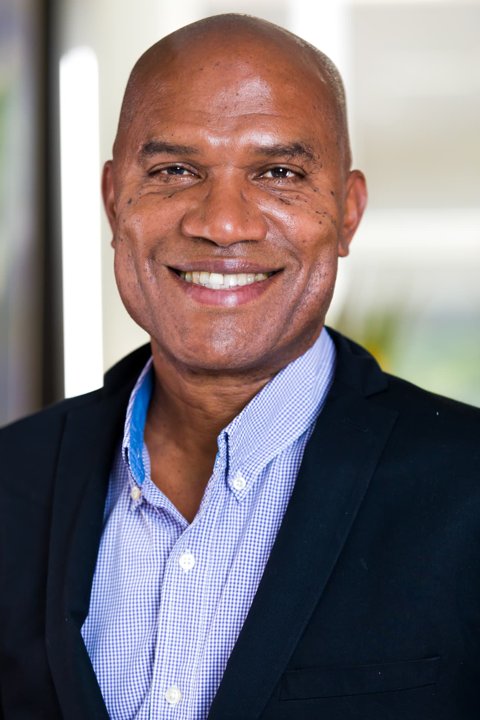
Rohan Hall
Rohan Hall is a technology entrepreneur, AI architect and author with four decades of technology experience, now focused on practical AI across business, education, government and global impact. He founded OceSha Ventures, builds the OceSha AI platform and Lumi, and wrote The Convergence of AI and the Top 10 Emerging Technologies.
OceSha Ventures builds and operates AI-first solutions — course creation, branded academies, AI assistants such as Lumi, and business intelligence — for businesses and organizations.