Capture website leads without being pushy by educating visitors before asking them to engage
OceSha AI connects useful content, an Authority Page, supported lead-capture experiences, centralized follow-up, and analytics so interest develops from what visitors choose to explore.

The least pushy way to capture leads is to earn attention with useful material first. OceSha AI turns your existing documents, websites, text, audio, video, and other material into content and courses, publishes that material, and brings visitors to an Authority Page. Supported public experiences can then capture audience engagement. Messages & Leads centralizes the resulting interactions, while analytics shows activity across content, courses, leads, messages, and revenue.
- Start with education: publish useful material created from knowledge your business already has.
- Give visitors a connected path from content to an Authority Page and supported engagement experiences.
- Manage captured interest in Messages & Leads instead of scattering audience interactions across separate workflows.
- Use analytics to see activity across content, courses, audience engagement, leads, messages, and revenue.
- Treat a lead as a person who has shown interest or shared information through a supported lead-capture experience—not as permission for indiscriminate outreach.
Lead capture should begin with useful knowledge, not an interruption
OceSha AI helps a business capture interest by turning its own knowledge into educational content and public experiences. That product role matters: the platform does not replace the business or speak as an unrelated authority. It helps individuals and organizations transform knowledge and expertise into courses, content, a professional digital presence, audience engagement, leads, and revenue within one connected ecosystem powered by Lumi, the AI Concierge.
A lead is a person who has shown interest or supplied information through a supported OceSha lead-capture experience. Visitors and learners interacting with your content can become messages, leads, subscribers, or customers, but those are distinct outcomes rather than assumptions about every visitor.
This creates a practical alternative to demanding contact details before a visitor understands your value. Bring in documents, websites, text, audio, video, or other existing material; use that knowledge to create content or courses; publish it; and allow the resulting public presence to attract an audience. The broader strategy is covered in building a public presence and capturing interest, while presenting expertise, published content, and courses together explains the role of a unified destination.
Lead capture works best as part of an educational journey. A visitor first encounters relevant material, chooses to engage further, and enters a supported capture experience. That sequence respects attention because the request follows demonstrated value.
Use the five-stage path from content to a manageable lead
The core OceSha AI path is Create Content → Publish → Authority Page → Visitor Engagement → Messages & Leads. Each stage has a specific job. Content gives people a reason to pay attention. Publishing makes the material available. The Authority Page provides a professional public presence. Visitor engagement records meaningful interaction through supported experiences. Messages & Leads gives you one place to manage what comes back.
- Bring your knowledge into OceSha AI from documents, websites, text, audio, video, or other existing material.
- Create educational assets around your business’s expertise, products, services, or field. Knowledge can contribute to a course, while a long-form video can become an episode and produce short clips.
- Publish and distribute the resulting material. Content can also be turned into social material that directs attention toward your public presence.
- Use your Authority Page as the destination for visitors attracted by published material.
- Let supported public experiences capture the engagement visitors choose to provide.
- Review the resulting interactions centrally in Messages & Leads, then use analytics to understand activity.
The OceSha AI self-service creation platform supports this connected workflow across creation, publishing, audience engagement, and measurement. When structured learning is the appropriate format, courses and branded academies built on OceSha provide another way to educate people before expecting a deeper commitment.
A business supplies a long-form video as source material. The video becomes an episode and produces short clips. Related social material is published and attracts visitors to the business’s Authority Page. Some visitors engage through supported public experiences and appear as messages or leads. The business then reviews that activity in Messages & Leads and uses analytics to understand how its content and audience activity connect.
Make the public experience informative before making it transactional
A website often fails to generate business when its material does not create a clear journey from expertise to engagement. OceSha AI addresses that gap by connecting knowledge creation, publishing, a professional presence, engagement, and lead management. Instead of treating lead capture as an isolated form, build a sequence in which every step gives the visitor more context.
Do not confuse attention with intent. A content view, a message, a lead, a subscriber, and a customer represent different forms of engagement. OceSha AI recognizes these as separate possible outcomes. That distinction helps you avoid treating every visitor as though they have already requested a sales conversation.
Once the public path is working, the natural operational question is how to collect and manage audience messages and leads. Keeping that process organized is part of being respectful: it lets your team respond to the interaction actually received rather than relying on disconnected assumptions.
Centralize interest so follow-up matches what the visitor did
Messages & Leads is the central destination for interactions captured through applicable OceSha experiences. Lumi can identify this as the appropriate platform area when a user asks where leads are located. This is informational and navigational assistance: Lumi guides the user to the relevant workflow rather than being described as independently taking business actions on the user’s behalf.
- Message
- An audience interaction managed in the Messages & Leads area.
- Lead
- A person who expressed interest or supplied information through a supported capture experience.
- Subscriber
- A visitor or learner who becomes a subscriber through their interaction with the user’s content.
- Customer
- A visitor or learner whose journey results in a customer relationship with the business.
Centralization gives you a disciplined place to review interest. It also makes exporting a practical planning question rather than an afterthought; see whether audience messages and leads can be exported before designing an external handling process. If connections to other business systems matter, confirm the specific integration you need. OceSha AI lists external integrations as an area of the platform, but the available facts do not identify every supported system or describe each connection’s functionality.
OceSha AI captures audience engagement generated through supported public experiences. Plan your website journey around the experiences available to your account, and verify any external system you expect to connect before relying on that workflow.
Measure whether useful content is producing real engagement
Lead capture should be evaluated as part of the entire content journey, not solely by the size of a contact list. OceSha AI analytics provide visibility into courses, content, audience activity, leads, messages, and revenue. Leads Captured shows the number of leads generated through applicable OceSha lead-capture experiences during the selected period.
That visibility lets you examine whether published material is attracting engagement and whether visitors are progressing into messages or leads. Account-specific questions can include “How many leads did I receive this month?”, “How many students enrolled in my course?”, “How much revenue have I generated?”, and “Did my course publish?” These questions reflect different stages of the journey, from successful publication through audience response and commercial activity.
Use activity measurement across content, courses, and engagement to frame the wider analysis. A lead count is useful, but it becomes more informative when viewed alongside publishing, learner, message, and revenue activity. The objective is not to collect the greatest possible amount of information from every visitor. It is to understand which educational material leads people to take a meaningful next step.
Keep publishing what produces relevant engagement, review what attracts attention without further action, and avoid judging success from raw traffic alone. OceSha AI’s connected analytics are designed to show activity across the broader journey.
Protect trust while building the capture system
Trust depends on handling visitor and account information appropriately. Uploaded knowledge, messages, leads, account details, billing information, unpublished content, and other user-specific information remain private; using private information for personalization or generation does not make it public. Account areas also include privacy and data controls, password management, security settings, and two-factor authentication.
Before supplying sensitive knowledge or designing a lead workflow, review documented security and data controls to verify. This is especially important when your content sources include internal documents, unpublished material, or information that should remain confined to the account.
Publishing also deserves an explicit checkpoint. AI-assisted creation can accelerate the path from existing material to public content, but the user still needs to decide what moves forward. A clear process from AI-generated review to publication helps prevent unfinished or inappropriate material from becoming part of the visitor journey.
OceSha AI is the self-service creation platform of OceSha Ventures and its AI-first solutions. OceSha Ventures builds and operates course creation, branded academies, AI assistants such as Lumi, and business intelligence for businesses and organizations. If you want to discuss how the platform fits your website and audience workflow, talk with the OceSha team.
Use OceSha AI to turn existing knowledge into published content, a professional public presence, supported audience engagement, and centrally managed leads.
Build an educational path to engagementFrequently asked questions
What source material can I use to create content that attracts leads?
OceSha AI accepts knowledge from sources such as documents, websites, text, audio, video, and other existing material. That knowledge can support courses, episodes, short clips, social material, and other published content.
Where do captured website interactions appear?
Applicable interactions are managed in the Messages & Leads area. Lumi can guide an authenticated user to that destination when they ask where their leads are.
Can visitors become something other than leads?
Yes. Visitors and learners interacting with a user’s content can become messages, leads, subscribers, or customers. These represent different outcomes and should not be treated as interchangeable.
How can I see how many leads were captured?
Leads Captured shows the number of leads generated through applicable OceSha lead-capture experiences during the selected period. Analytics also provides visibility into content, courses, audience activity, messages, and revenue.
Can Lumi answer questions in languages other than English?
Yes. Users can interact with Lumi in their preferred language rather than being limited to English.
Does using private information for content generation make it public?
No. Uploaded knowledge, messages, leads, account information, unpublished content, and other user-specific information do not become public merely because they are used for personalization or generation.
The strongest website lead-capture strategy is not a more aggressive request for contact information. It is a connected path that earns engagement: turn existing knowledge into useful content, publish it, direct visitors to an Authority Page, capture the interest they voluntarily express through supported experiences, and manage it in Messages & Leads. Then use analytics to judge the whole journey rather than celebrating raw traffic or treating every visitor as a prospect. OceSha AI brings those stages together, giving businesses a practical way to educate first and follow up from demonstrated interest.
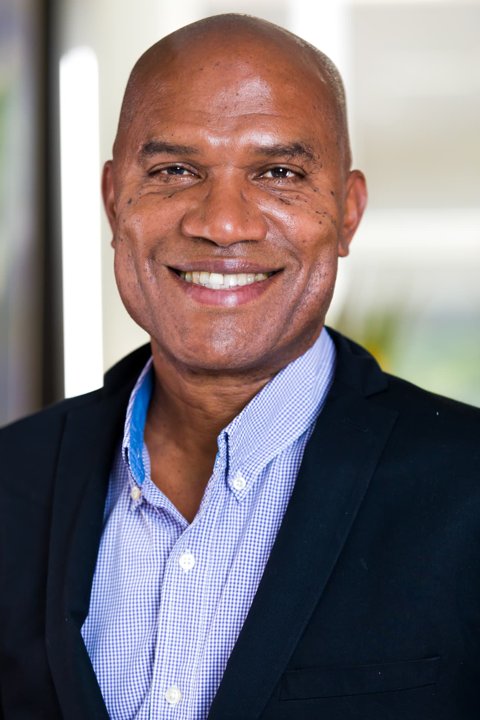
Rohan Hall
Rohan Hall is a technology entrepreneur, AI architect and author with four decades of technology experience, now focused on practical AI across business, education, government and global impact. He founded OceSha Ventures, builds the OceSha AI platform and Lumi, and wrote The Convergence of AI and the Top 10 Emerging Technologies.
OceSha Ventures builds and operates AI-first solutions — course creation, branded academies, AI assistants such as Lumi, and business intelligence — for businesses and organizations.