A team of three can do more by turning shared expertise into reusable courses, content and AI-guided experiences
OceSha AI gives a small team one self-service platform for creating educational products, reusing existing material, publishing a public presence and managing the resulting audience activity.

A team of three should avoid building separate workflows for courses, articles, episodes, clips, lead capture and audience engagement. OceSha AI brings those activities into a self-service creation platform, while Lumi provides in-platform guidance. Add the team’s relevant knowledge first, use it as context for recommendations and creation, then organize the resulting courses and published material around one public presence.
- Start by adding relevant knowledge so OceSha AI has useful context for recommendations and creation workflows.
- Reuse existing material across courses, articles, episodes, clips and posts instead of treating every format as a separate production effort.
- Give each team member clear ownership of expertise, creation and audience operations while keeping the work in one platform.
- Use Lumi for guidance on platform navigation, publishing, analytics, leads, profiles, subscriptions and supported integrations.
- Keep OceSha subscription billing separate from customer course payments and the creator’s transaction responsibilities.
The right model is one knowledge base, not three disconnected workloads
OceSha AI is the self-service creation platform of OceSha Ventures, and Lumi is its AI Concierge. For a team of three, the practical value is consolidation: the same relevant knowledge can support recommendations, creation workflows and course experiences rather than leaving each person to rebuild context independently. The platform belongs within the wider job of helping a small organization build a public presence and capture interest. It does not turn three people into an unlimited workforce; it gives them a more disciplined way to reuse what they already know and create.
A small-team operating model uses shared knowledge as the starting context for creating courses and content, presenting educational offerings, capturing audience interest and reviewing activity through one platform.
Begin with the OceSha AI self-service creation platform rather than assigning each output to a different collection of tools. Add the organization’s relevant expertise and course material. OceSha AI can use that material to ground AI experiences more closely in the individual user’s knowledge, and it can make a course learning experience more relevant to that specific course. Adding more relevant information gives the platform more context for future recommendations and creation workflows.
Do not begin by asking what three people can produce from scratch every week. Begin by identifying the expertise and existing material that can become context, courses and reusable content.
Divide ownership without dividing the underlying knowledge
A three-person team needs distinct responsibilities, but it should not create three isolated information silos. A practical division is to assign one person to knowledge quality, one to creation and publishing, and one to audience and account operations. This is an operating recommendation, not a platform requirement. The shared foundation is the relevant knowledge and course material supplied to OceSha AI.
This structure also helps the team decide how to present expertise, published content and courses together. Visitors can discover the creator’s educational offerings and proceed to the applicable Course Sales Page to learn more and enroll. That creates a direct path from public discovery to course information without requiring each team member to maintain a separate destination.
Lumi supports the team with informational and how-to guidance based on OceSha AI knowledge. Its guidance covers feature navigation, course creation, publishing, connecting Stripe and Shopline, finding leads, viewing analytics, updating profiles, managing subscriptions and choosing the appropriate platform area. Lumi explains how to complete those tasks; it should not be treated as performing every action on the team’s behalf.
Use a four-stage creation loop to turn expertise into output
The core workflow is straightforward: Add Knowledge → Improve Context → Receive Better Recommendations → Create More Relevant Content. The sequence matters. Asking for output before supplying relevant context encourages generic work; adding useful expertise and course material first gives OceSha AI a stronger basis for future recommendations and creation workflows.
- Add knowledge — Supply relevant expertise and course material that OceSha AI can use as context.
- Improve context — Keep the material focused on what the team knows and what its educational content needs to cover.
- Receive better recommendations — Use the added context to make recommendations more relevant to the individual user instead of producing the same generic ideas for everyone.
- Create more relevant content — Apply the context in creation workflows and in learning experiences associated with a specific course.
The team can choose how strongly its own material should shape the work. Its knowledge can remain the starting context while broader AI knowledge contributes more substantially to recommendations or content. Broader AI knowledge can also be used more extensively to develop and expand a course. That distinction gives the team a practical editorial decision: use supplied expertise for grounding, then decide when wider development is appropriate.
Creation should include a deliberate review step before anything becomes public. The natural next question is how AI-generated content moves from review to publication or scheduling. A small team should make one person accountable for that transition so generated material does not drift between drafting, review and publication.
Get more value from material the team has already created
The strongest efficiency gain comes from reuse. A major benefit of the Content Library is the ability to get more value from existing material. Articles let the creator address a topic in more depth than a short social post. Episodes help users obtain more value from content they have already created. Clips extend long-form content into shorter, more easily distributed material. Where supported, a post can be prepared for more than one publishing destination.
- Article
- Develop a subject in more depth than a short social post.
- Episode
- Extract more value from content that already exists.
- Clip
- Turn long-form material into a shorter, more distributable asset.
- Post
- Prepare material for publishing, including more than one destination where supported.
- Course
- Organize educational material into an offering visitors can discover and evaluate through a Course Sales Page.
The knowledge owner adds relevant expertise and course material. The creation owner uses that context to develop a course and works with an article, episode or clip based on existing material. The audience and operations owner maintains the public-facing information, finds leads and reviews analytics. The team then uses what it learns to decide which knowledge and material should be improved for the next creation cycle.
Courses deserve a separate commercial decision. If the team is deciding between open-access education and monetized enrollment, review how free and paid courses differ before publishing. Course revenue is separate from the OceSha AI subscription, and the creator remains responsible for applicable refunds, disputes, chargebacks and customer transactions.
Centralize audience follow-up, measurement and platform operations
Creation alone does not solve the capacity problem. Someone must still handle the audience activity and operational work that follows publication. OceSha AI includes areas for leads, analytics, profiles, settings, subscriptions and integrations. The team should give one person clear responsibility for checking these areas and bringing relevant findings back into the content and course workflow.
For follow-up outside the platform, confirm whether audience messages and leads can be exported before designing the team’s process. For performance review, determine what activity OceSha AI helps measure across courses, published content and audience engagement. Those decisions establish which information remains inside the working environment and what the team can use elsewhere.
Authenticated Lumi guidance can help users change subscription plans, update payment methods, access invoices, change account settings and contact support. Account areas cover profile information, Authority Page information, notifications, lead-capture preferences, password management, two-factor authentication, privacy and data controls, plans, billing, payment history, invoices and support.
Payments and monetization, external integrations, account and subscription management, and partner or white-label capabilities are listed platform areas, but the available facts do not describe every specific integration or white-label function. If a particular connection or branded implementation is essential to your three-person workflow, confirm that exact requirement first.
Keep privacy, billing and responsibility boundaries clear
A lean team still needs disciplined controls. OceSha AI can work with uploaded knowledge, messages, leads, account information, billing information, unpublished content and other user-specific information. Using private information for personalization or content creation does not publish it. Before supplying knowledge, review the documented security and data controls and decide which team members should handle sensitive material.
Subscription administration and course commerce are separate. Payment Details covers the OceSha AI subscription. The creator’s Stripe account is used to receive course revenue, and updating the OceSha subscription payment method is distinct from changing that creator payment account. Plans can offer monthly or annual billing; annual arrangements may provide savings compared with monthly billing, but savings are not guaranteed.
Plan prices, limits, included capabilities, promotions, annual savings and other subscription terms can change, so use the current subscription-management experience as the source for available options. Cancelling a subscription and deleting an account are different actions. For platform or OceSha AI subscription questions, contact the OceSha team or use OceSha support when appropriate.
OceSha AI is the self-service platform of OceSha Ventures, which builds AI-first solutions spanning course creation, branded academies, AI assistants such as Lumi and business intelligence for businesses and organizations.
Use OceSha AI to bring your expertise, course creation, reusable content and audience operations into one working environment.
Build a focused small-team workflowFrequently asked questions
Does OceSha AI replace the need for clear team responsibilities?
No. The platform consolidates creation, content, audience and account workflows, but the team should still assign ownership for knowledge quality, publication review, leads, analytics and subscription administration.
Can our own expertise shape AI recommendations?
Yes. Relevant knowledge gives OceSha AI more context for recommendations and creation workflows. Creator knowledge and course material can also make a learning experience more relevant to a specific course.
Can broader AI knowledge be used alongside our material?
Yes. The creator’s material can provide the starting context while broader AI knowledge contributes more extensively to recommendations, content development or course expansion.
What existing material can the team reuse?
The Content Library is designed to help creators get more value from existing material. Articles support deeper treatment of topics, episodes extend existing content, and clips turn long-form work into shorter material.
Does Lumi carry out platform actions for the team?
Lumi provides informational and how-to guidance for navigation, creation, publishing, integrations, leads, analytics, profiles and subscriptions. The team remains responsible for carrying out and reviewing its work.
Are OceSha subscription payments the same as customer course payments?
No. Payment Details manages the OceSha AI subscription. Customer course revenue is separate, and the creator is responsible for customer transactions, refunds, disputes and chargebacks.
A team of three should not imitate a large department by multiplying tools, handoffs and disconnected content queues. Use OceSha AI to create one operating loop: add relevant knowledge, improve context, receive stronger recommendations, create courses and content, then review leads and analytics. Assign clear ownership for knowledge, publication and operations, but keep the source material shared. Reuse existing work through articles, episodes and clips, and maintain firm boundaries around review, private information, subscription billing and customer course transactions. That is how three people create more without making the workflow harder to control.
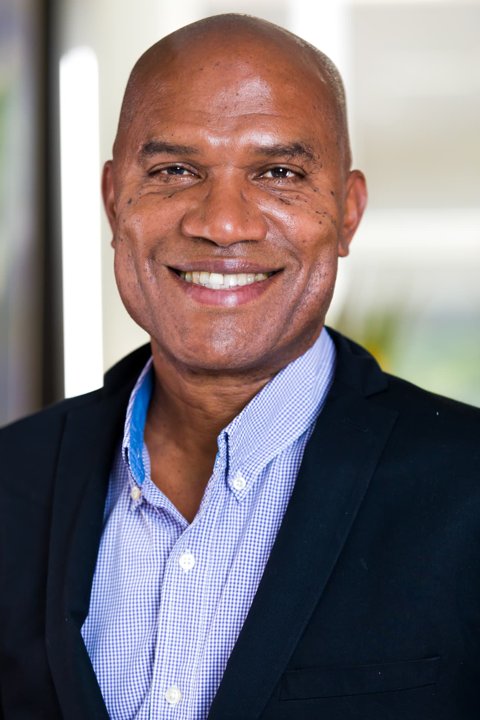
Rohan Hall
Rohan Hall is a technology entrepreneur, AI architect and author with four decades of technology experience, now focused on practical AI across business, education, government and global impact. He founded OceSha Ventures, builds the OceSha AI platform and Lumi, and wrote The Convergence of AI and the Top 10 Emerging Technologies.
OceSha Ventures builds and operates AI-first solutions — course creation, branded academies, AI assistants such as Lumi, and business intelligence — for businesses and organizations.