Give good service across channels by creating one connected path from useful content to messages, leads and follow-up
OceSha AI helps creators publish useful material, capture customer interest through supported experiences and use analytics to understand what happens next.

When customers contact you from different places, do not manage every interaction as an isolated conversation. Use OceSha AI to turn your knowledge into content, distribute supported material through your Authority Page and external channels, and direct visitors toward messages, leads, subscriptions or purchases. Then use ecosystem analytics to understand the resulting activity. This creates a more manageable service path without assuming every external channel or integration works the same way.
- Build customer service around a connected journey: useful content, a clear destination, contact or lead capture, and informed follow-up.
- OceSha AI can turn supplied knowledge and long-form material into courses, episodes, short clips and social content.
- Supported content can be distributed through an Authority Page and external channels, where visitors may become messages, leads, subscribers or customers.
- Messages let visitors contact the user through supported OceSha experiences, while analytics show activity across the OceSha AI ecosystem.
- Keep creator subscription billing separate from customer course payments, refunds, disputes and chargebacks.
Replace scattered conversations with a connected customer journey
Connected customer service means giving people a coherent route from discovering useful information to contacting you, becoming a lead, learning from your material or purchasing a course. The goal is not to answer independently on every channel forever. It is to publish material that resolves common needs, provide supported ways to make contact and use the resulting activity to guide follow-up.
OceSha AI is the self-service creation platform of OceSha Ventures, and Lumi is its AI Concierge. The platform supports a wider process in which knowledge can contribute to a course, a long-form video can become an episode and short clips, and content can become social material. Published work can attract visitors to an Authority Page, while supported distribution extends its reach to external channels. This approach belongs within the broader practice of turning audience engagement into actionable leads.
The practical advantage is continuity. A question raised on one channel can reveal a subject that deserves a reusable explanation. That explanation can become content rather than remaining trapped in a private exchange. Visitors who encounter the published material can then become messages, leads, learners, subscribers or customers, depending on the experience and their intent. Instead of trying to be present in every conversation at once, you create a structured route that helps people find information and gives them a supported next step.
Consistency comes from using the same underlying knowledge and a clear journey, not from copying an identical reply into every channel. Decide what information deserves reusable content, where people should encounter it and how they should contact you when the published material is not enough.
Turn repeated questions into content that serves more people
Customer questions are valuable source material. When the same subject appears repeatedly, capture the relevant expertise and use it to create an asset that can help more than one person. OceSha AI supports knowledge-informed creation across courses and content. A long-form video can become an episode and produce short clips; content can also be turned into social material and published. Before requesting generation, give the system focused, relevant source material. The guide to information AI needs for expertise-based content addresses that preparation step.
- Identify a recurring customer need that is suitable for a reusable explanation.
- Supply the relevant knowledge or source material so it can support more relevant AI experiences.
- Choose an appropriate format, such as a course, episode, short clip or social material.
- Review the work and make sure it is ready for the people you intend to serve.
- Publish ready course material for learners or publish supported content for distribution.
- Use messages, leads and analytics to understand what interest the material produces.
Authenticated Lumi provides informational and how-to guidance based on OceSha AI knowledge. It can help users navigate feature areas and workflows involving course creation, publishing, Stripe and Shopline connections, leads, analytics, profiles, subscriptions and the appropriate platform area. This guidance helps the user find and understand the relevant workflow; Lumi is not carrying out those actions on the user’s behalf. When work has passed review, follow the appropriate process for moving AI-generated content from review to publication or scheduling.
A creator starts with a long-form video containing information customers regularly need. Within the supported workflow, that video becomes an episode and produces short clips. Related material is prepared for social publication, while the finished content directs interested people toward the creator’s Authority Page. Visitors can engage with the content and, through supported OceSha experiences, become messages or leads. Analytics then helps the creator understand the activity generated across the ecosystem. This uses one body of knowledge to support discovery and follow-up without treating each channel as a separate content operation.
Give every channel a clear destination and next step
Publishing everywhere is not the same as serving people well. Each piece of distributed content should have a purpose: answer a question, educate a prospective learner, introduce a course or invite an appropriate next action. Supported material can appear on the user’s Authority Page and external channels. The Authority Page provides a destination for published work, while messages allow visitors to contact the user through supported OceSha experiences.
This is where channel discipline matters. Do not create a dead end by publishing material without deciding what an interested person should do next. A visitor may need more information, a learner may be ready to enroll, and a prospective customer may want to make contact. Free and paid learning experiences also involve different enrollment and payment considerations, so clarify how free and paid courses differ before designing the route around a course.
OceSha AI lists external integrations among its platform areas, and its guidance references connecting Stripe and Shopline. Detailed support for other specific integrations is not provided here. If a particular customer channel, payment service or business system is essential to your workflow, confirm that it is supported before building your service process around it.
Use messages, leads and analytics to manage follow-up
Once content is distributed, the job shifts from production to attention management. Visitors and learners can interact with a user’s content and become messages, leads, subscribers or customers. Messages support direct contact through supported OceSha experiences. Leads give the creator another way to recognize interest. Analytics provides visibility into activity across the OceSha AI ecosystem, helping the user understand what happened after material was published.
Analytics should inform the next service decision. Activity around a subject can point to the need for clearer content, another format or a course for a particular level. The platform guide gives examples of questions a user can ask, including what course to create next, what blog to write, what to post on LinkedIn, what to create from uploaded information and what to create today. Recommendations are designed to provide actionable ideas rather than generic topics.
- Messages
- Review direct contact initiated through supported OceSha experiences and respond to the person’s stated need.
- Leads
- Treat expressed interest as a follow-up opportunity rather than as proof of a purchase.
- Subscribers
- Continue providing relevant published material for people who have chosen an ongoing connection.
- Customers
- Support the transaction and learning relationship associated with the creator’s offering.
- Analytics
- Use ecosystem activity to understand engagement and decide what content or action should come next.
Relevant recommendations depend on relevant knowledge. Uploaded knowledge, messages, leads, account details, billing information and unpublished content can support personalization or generation without becoming public merely because they were used that way. Even so, review the documented security and data controls to verify before supplying sensitive knowledge, and use account privacy controls, password management and two-factor authentication appropriately.
Separate customer service from billing responsibilities
Good service depends on routing financial questions correctly. A creator’s OceSha AI subscription is separate from payments received from customers purchasing the creator’s courses. Payment Details covers the OceSha AI subscription, including the current plan, billing frequency, next applicable billing information, payment method, payment history, invoices and available cancellation options. Creators connect supported payment services to receive course-purchase payments from their customers.
The creator is responsible for applicable course refunds, disputes, chargebacks and customer transactions. OceSha support can address platform questions, subscription questions and questions about the OceSha side of an integration when appropriate. Use the detailed guidance on course refunds, disputes and payout responsibilities to send each issue to the right party rather than passing customers between unrelated billing processes.
Subscription terms also require current account information. Plans can use monthly or annual billing, and annual arrangements may provide savings compared with monthly billing, although savings are not guaranteed. Prices, limits, included capabilities, annual savings, promotions and other subscription terms can change. The subscription-management experience displays the terms applicable to the user’s subscription, and cancelling a subscription is different from deleting an account.
Send questions about creator course purchases, refunds, disputes, chargebacks and customer transactions through the creator’s customer-service process. Direct questions about the OceSha AI subscription, platform use or the OceSha side of an integration to OceSha support when appropriate.
Build an operating rhythm your team can sustain
The strongest response to channel overload is an operating rhythm, not another inbox. Start with the knowledge customers repeatedly need. Turn suitable material into useful formats, review it, publish it and give each item a clear destination. Check messages and leads as part of a regular follow-up process, then use Analytics to decide what deserves an update, a new format or a deeper learning resource.
- Maintain accurate knowledge and account information so creation and guidance begin with relevant context.
- Convert recurring questions into reviewed content instead of rewriting the same answer indefinitely.
- Publish through the supported destinations that match the content’s purpose.
- Check messages and leads, then route platform, subscription and customer-transaction questions correctly.
- Review Analytics for ecosystem activity and use the findings to choose the next useful asset.
- Update content when customer needs or the applicable business information changes.
For structured learning, OceSha Academy courses and branded academies show how OceSha Ventures delivers educational experiences built on OceSha. Associations considering a broader member offering can separately examine AI-powered creation and educational resources for associations. These are different decisions from the day-to-day task of keeping up with customer contact, but both depend on organized knowledge and a clear audience journey.
The platform sits within the work of OceSha Ventures and its AI-first solutions, which builds and operates solutions spanning course creation, branded academies, AI assistants such as Lumi and business intelligence. To begin organizing the creation and engagement workflow, use the OceSha AI self-service creation platform. If you need help identifying the appropriate platform or subscription path, contact the OceSha team.
Use OceSha AI to organize knowledge, create useful content, publish through supported destinations and understand the activity that follows.
Build a connected engagement workflowFrequently asked questions
Does using private information for generation automatically make it public?
No. Uploaded knowledge, messages, leads, account information, billing information, unpublished content and other user-specific information do not become public merely because they are used for personalization or generation.
Can Lumi perform publishing, billing or profile changes for me?
Authenticated Lumi provides informational and how-to guidance about navigation, creation, publishing, integrations, analytics, profiles, settings and subscriptions. That guidance explains the relevant workflow; it is not a statement that Lumi performs the action for the user.
What can public-facing Lumi explain?
Public-facing Lumi helps visitors, prospective customers, partners and other users understand OceSha without searching through multiple pages. It provides a consistent AI Concierge across the OceSha ecosystem.
Can I publish a course as soon as it is generated?
A course can be published once it has been reviewed and is ready for learners. Review is the essential step between creation and publication.
Who receives money when a customer buys a creator’s course?
The creator receives course revenue through supported connected payment services. That revenue is separate from the creator’s OceSha AI subscription payments.
What account controls are available?
Account areas cover profile information, settings, Authority Page information, notifications, lead-capture preferences, password management, two-factor authentication, privacy and data controls, subscription plans, billing, payment history, invoices and support.
Do not try to win the multichannel service problem by answering every inbox independently. Build one repeatable journey: organize your knowledge, convert recurring needs into reviewed content, distribute that content through supported destinations, make messages and lead capture available, and use analytics to decide what happens next. Keep OceSha subscription questions separate from customer course transactions, and confirm any external connection that is essential to your operation. OceSha AI is most useful here as a structured creation and engagement platform—not as a substitute for the creator’s responsibility to respond, resolve disputes and maintain accurate information.
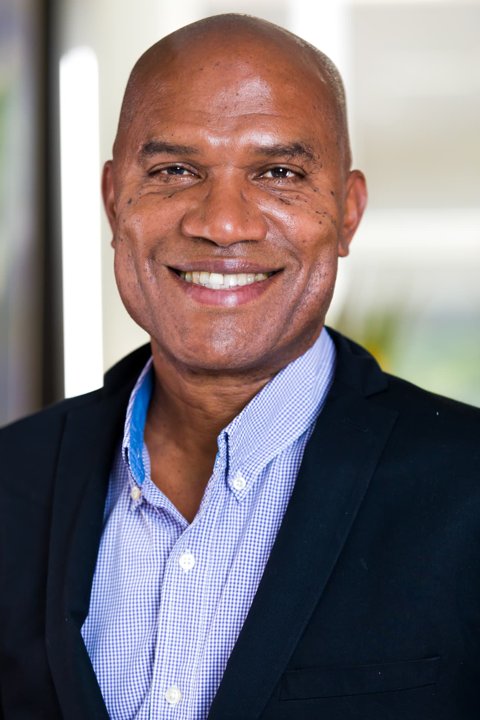
Rohan Hall
Rohan Hall is a technology entrepreneur, AI architect and author with four decades of technology experience, now focused on practical AI across business, education, government and global impact. He founded OceSha Ventures, builds the OceSha AI platform and Lumi, and wrote The Convergence of AI and the Top 10 Emerging Technologies.
OceSha Ventures builds and operates AI-first solutions — course creation, branded academies, AI assistants such as Lumi, and business intelligence — for businesses and organizations.