Free sign-up or paid purchase leads to enrollment, then course access
The two paths differ at payment: a free course needs no purchase, while a paid course takes you through payment before enrollment.

For a free course, the path is Course Sales Page → Sign Up → Enrollment → Course Access. For a paid course, it is Course Sales Page → Sign Up → Payment → Enrollment → Course Access. Once enrolled, you can access the applicable course and progress through its educational content. Start with the course sales page for the course you want; it provides the enrollment path and, for a paid course, displays the applicable price.
- A free course takes you from sign-up to enrollment and course access without a purchase.
- A paid course includes payment between sign-up and enrollment.
- The course sales page is where you evaluate a specific course and begin its enrollment or purchase path.
- Enrollment is the step that leads to access to the applicable course and its educational content.
- Course access follows the published learner path, not a creator’s course-development or review workflow.
What happens immediately after you choose a course?
Begin on the Course Sales Page for the specific course you want to take. That page is the place to evaluate the course and begin enrolling or purchasing access. If it is a paid course, the page displays the applicable price and provides the purchase path. If it is free, you can proceed through sign-up and enrollment without buying the course. The broader guide to finding and accessing courses covers the learner journey; here, the important distinction is what happens between sign-up and access.
Enrollment is the step in the course path immediately before course access. For a free course, it follows sign-up. For a paid course, it follows sign-up and payment.
The sales page helps you decide before entering either path. If you want to know what information to look for at that point, read what a course sales page can show before enrollment. Focus on the page for the particular course: the free and paid paths share a starting point, but only the paid path includes a payment step.
What is the sequence for a free course?
A free course moves from the sales page to access without a course purchase.
- Course Sales Page — evaluate the specific course and begin the sign-up path.
- Sign Up — enter the free-course enrollment flow.
- Enrollment — become enrolled in the applicable course.
- Course Access — open the course and progress through its educational content.
The absence of a purchase is the defining practical difference. You still go through sign-up and enrollment; “free” does not mean that the course sales page or enrollment step is skipped. Once enrolled, your next task is to enter the course and work through its educational content. The course experience is for learning, not simply viewing a purchase confirmation.
You find a free course on its Course Sales Page and decide to take it. You sign up, enroll, and then access the course to begin its educational content. There is no course-purchase step in that sequence.
If you are comparing the two routes before choosing a course, how free and paid courses differ in enrollment and payment addresses that decision. For access, remember the shorter sequence: sales page, sign-up, enrollment, course.
What changes when the course is paid?
Payment comes before enrollment and access.
- Course Sales Page — review the applicable price and begin the enrollment and purchase path.
- Sign Up — enter the course’s paid enrollment flow.
- Payment — complete the course purchase.
- Enrollment — become enrolled after the payment step.
- Course Access — enter the applicable course and progress through its educational content.
Do not use the free-course sequence as your expectation for a paid course. The published learner path places payment between sign-up and enrollment. The Course Sales Page displays the applicable price, so use that course’s page when deciding whether to proceed. After the purchase and enrollment steps, the path ends in course access—the same destination as the free route.
Both paths begin on a course sales page and end with access to the enrolled course.
- Free course
- Course Sales Page → Sign Up → Enrollment → Course Access; no course purchase is required.
- Paid course
- Course Sales Page → Sign Up → Payment → Enrollment → Course Access; the page displays the applicable price.
A creator’s payment setup is separate from your learner steps. OceSha AI provides a self-service platform for creating and publishing courses, and creators can configure paid courses and connect Stripe as part of their publishing workflow. As a learner, your relevant path is the course sales page, sign-up, payment, enrollment, and access—not the creator’s setup process.
What do you get after enrollment?
Enrollment leads to access to the applicable course. From there, learners can progress through its educational content. That is the concrete outcome to look for after either a free sign-up or a paid purchase: entry into the course you enrolled in, followed by the ability to continue learning within that course experience.
Keep the stages distinct when deciding what to do next.
A course still being developed or reviewed is different from one published and made available to learners. Once a creator has reviewed a course and it is ready for learners, it can be published. If you are looking at the wider course experience rather than a specific purchase, OceSha Academy courses and branded academies provides related context. For your own enrollment, use the sales page for the particular course you intend to take.
What if you are looking at a course before it is available to learners?
Creation, review, and publication are creator-side stages. They are not extra learner steps after sign-up or purchase. A course being developed or reviewed is distinct from a published course made available to learners. Once it has been reviewed and is ready, the creator can publish it; the learner-facing route then runs through the course sales page and the applicable enrollment path.
This distinction matters if you are trying to understand why course development and course access are described differently. The course review and refinement process before publishing concerns what the creator does before making a course available. Likewise, finding a generated course to continue editing it is about managing a course in development, not accessing one as an enrolled learner. Neither changes the free or paid learner sequence.
OceSha AI supports an AI-assisted course creation workflow, but the creator still moves a course through review and publication before the published learner path applies. For that division of work, see which course tasks AI assists with and creators decide. Your practical starting point remains straightforward: use the published course’s sales page, then follow the free or paid route shown for that course.
Where should you turn if the expected course access is unclear?
First, identify which stage you have reached. For a free course, check whether you have moved through sign-up and enrollment. For a paid course, distinguish the sign-up and payment steps from enrollment and course access. The sequence matters: a paid-course payment is followed by enrollment, and enrollment is followed by access to the applicable course.
Name the course and say whether it is free or paid, then describe the last step you reached: Course Sales Page, Sign Up, Payment if applicable, Enrollment, or Course Access. This keeps the question focused on the point in the learner path where you need help.
OceSha AI is the self-service creation platform of OceSha Ventures, the business behind OceSha AI. If your question concerns the OceSha AI platform or the OceSha side of an integration, you can contact the OceSha team about platform support. For course access, start with the specific course and the last completed learner step rather than a creator’s subscription or course-management settings.
Open the sales page for the course you want, review the applicable price if it is paid, and follow its sign-up, enrollment, and access path.
Start with your courseFrequently asked questions
Do I have to buy a free course to enroll?
No. A free course follows Course Sales Page → Sign Up → Enrollment → Course Access, with no course purchase required.
Does paying for a course mean I am already at the course-access step?
Payment comes before enrollment in the paid-course path. The full sequence is Course Sales Page → Sign Up → Payment → Enrollment → Course Access.
Where do I see the price of a paid course?
The paid course’s Course Sales Page displays the applicable price and provides the enrollment and purchase path.
What can I do once I have course access?
Once enrolled in the applicable course, you can access it and progress through its educational content.
Is a course under review available through the learner enrollment path?
A course still being developed or reviewed is different from one published and made available to learners. The creator can publish a course once it has been reviewed and is ready for learners.
Expect a defined path, not a separate access process you have to discover after enrolling. A free course goes from its sales page through sign-up and enrollment to course access, with no purchase required. A paid course adds payment before enrollment; its sales page displays the applicable price. Once enrolled, you can enter the applicable course and progress through its educational content. If access is unclear, identify whether you have completed sign-up, payment where applicable, and enrollment. Those stages pinpoint where you are in the course journey.
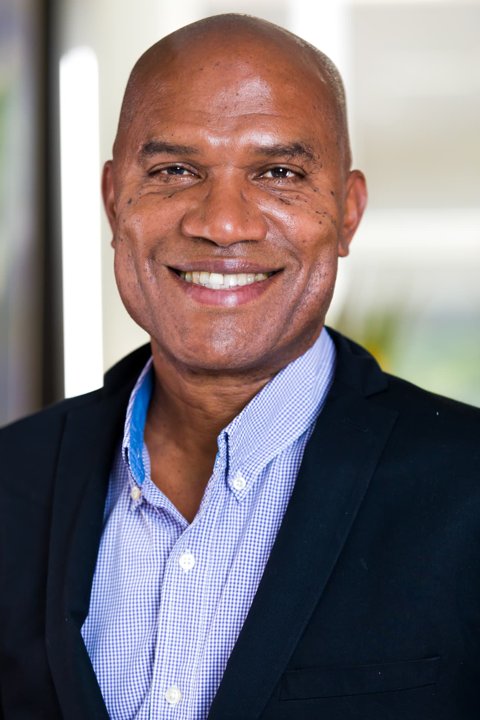
Rohan Hall
Rohan Hall is a technology entrepreneur, AI architect and author with four decades of technology experience, now focused on practical AI across business, education, government and global impact. He founded OceSha Ventures, builds the OceSha AI platform and Lumi, and wrote The Convergence of AI and the Top 10 Emerging Technologies.
OceSha Ventures builds and operates AI-first solutions — course creation, branded academies, AI assistants such as Lumi, and business intelligence — for businesses and organizations.