Educational organizations can turn existing materials into courses and share learning through OceSha AI
Bring institutional knowledge into OceSha AI, shape it into a reviewed course, and choose how learners access the experience.

An educational organization can bring documents, PDFs, presentations, websites, text, audio, video, and other existing material into OceSha AI. The platform uses that knowledge to help create structured courses with modules, lessons, and supporting learning activities. The organization reviews educational quality before publication, then makes courses available for free sign-up or paid purchase. For a defined community, it can also discuss a partner program that makes OceSha capabilities available to that audience.
- Start with the institution’s existing knowledge and source materials rather than rebuilding every lesson from scratch.
- OceSha AI helps organize that material into courses; the creator reviews structure, accuracy, objectives, assessments, and audience fit before publishing.
- A course can include lessons, practice, quizzes, certificates, and AI-assisted instruction through Lumi, depending on the course.
- Learners can sign up for free courses or purchase paid ones, and can ask course-related questions in their preferred language.
- A partner program is an option for organizations seeking to make OceSha capabilities available to a defined community; its configuration determines the experience.
What is the practical path from institutional materials to a course?
The starting point is material the organization already owns or uses to teach: documents, PDFs, presentations, websites and URLs, text, audio, video, and other existing educational or professional content. OceSha AI uses knowledge and source material to help create structured courses and learning experiences. If the immediate task is deciding which teaching assets belong in a course, begin with turning teaching materials into courses. For the creation, content, and publishing environment itself, see the OceSha AI self-service platform.
- Gather the source material that represents what the organization wants learners to know, then bring it into OceSha AI.
- Use the material to develop a course structure, including modules and lessons, with supporting activities suited to the course.
- Review the proposed learning experience against the organization’s objectives, source material, vocabulary, and audience.
- Refine the course before publication, then decide whether learners will sign up for free or purchase access.
This sequence matters because uploading material is not the same as approving instruction. A presentation may contain valuable expertise without having a suitable lesson order; a set of documents may need clearer objectives or better practice material. OceSha AI helps convert those inputs into an educational structure. The institution remains responsible for deciding whether that structure teaches the right things to the right people.
What can the learning experience contain?
A course can contain modules and lessons alongside supporting educational elements. Depending on the course, these can include practice activities, knowledge checks, quizzes, final assessments, certificates, AI-assisted instruction through Lumi, and learner questions and answers. Choose the elements that serve the learning objective; a certificate or assessment should have a clear educational purpose, not simply be added because the format is available.
Learners can ask course-related questions and receive answers and explanations in their preferred language, including a language different from the course’s original language. That is useful when an institution serves a multilingual community, but it does not replace review of the underlying lessons. The quality of the source material and the decisions made before publication still shape what learners encounter. For a view of courses and branded academy experiences built on the platform, explore OceSha Academy courses and branded academies.
Which decisions stay with the educational organization?
The organization makes the educational decisions. Before publication, the creator reviews course structure, module organization, lesson content, factual accuracy, vocabulary, audience appropriateness, learning objectives, practice material, assessments, and overall educational quality. That review is especially important when source materials were written for different purposes or audiences. A policy document, for example, may be accurate as a reference yet need a different sequence and clearer explanations to work as a lesson.
- OceSha AI
- helps transform supplied knowledge into a structured course and supporting content.
- The creator
- decides what the course should teach, checks the proposed material, refines it, and approves it for publication.
Treat the first course draft as material to examine, not as a finished institutional position. Check whether each lesson supports its objective, whether terminology matches the audience, and whether activities assess what was taught. Use what to review before publishing an AI-generated course as the next step in that process. If your team is deciding where AI assistance ends and educator judgment begins, see which course tasks AI assists with and which stay with the creator.
How do learners get access once a course is ready?
OceSha AI supports free course sign-up and paid course purchase. That gives an educational organization two distinct access approaches: offer a course without a purchase step, or make it available for learners to buy. Decide which approach fits the course and its audience before communicating the enrollment route. The distinction between access models is explored in how free and paid course enrollment differ.
Learners consume courses and interact with the educational experience, including relevant course questions and answers. The institution should therefore evaluate more than the material it publishes: it should consider the experience from the learner’s point of view. Is the module order understandable? Are explanations appropriate to the community? Are the learning activities aligned with the lessons? These are practical publication questions whether access is free or paid.
Course revenue and the organization’s OceSha AI subscription are separate. The creator handles applicable customer transactions, refunds, disputes, and chargebacks for its courses; subscription payments to OceSha are managed separately. Establish who on your team will handle learner purchases and related requests before opening paid enrollment.
What if the goal is learning for an entire community?
An institution may want more than a single course. OceSha AI works with organizations that want to make its capabilities available to members, employees, customers, communities, or another defined audience. Partner programs can support educational organizations and institutions pursuing that wider model. A useful first decision is to define who the audience is and whether the organization wants to publish its own learning experiences, enable people in its community to use creation capabilities, or discuss both.
The partner route is configured to the relationship. White-label or co-branded experiences depend on the partnership, and the applicable configuration determines how the organization and OceSha appear to members. If presentation and access for your community matter, discuss the specific arrangement rather than assuming a standard branding setup. The related question of how organizations offer AI-powered creation through a partner program is a useful guide to that conversation.
OceSha AI is the self-service creation platform of OceSha Ventures and its AI-first solutions. Within OceSha AI, Lumi is the AI Concierge. Lumi provides guidance on platform questions and, in the authenticated platform, can help users understand course creation, publishing, navigation, analytics, and other available areas. That guidance helps a team find its next action; it should not be confused with Lumi independently making the organization’s publishing decisions.
What should an institution decide before getting started?
Choose a defined body of source material, a learner audience, and a learning objective. Then identify the person or team that will review the course before it is published. Those choices make the creation work more focused: the material supplies the knowledge, the audience determines the level and vocabulary, and the objective provides a standard for judging lessons and assessments. A course that cannot be checked against a clear objective is harder to refine.
An educational institution has presentations, PDFs, and recorded material on one subject. It brings those sources into OceSha AI, develops modules and lessons, and examines the proposed explanations and activities against its intended learners. After correcting content and confirming the course’s educational quality, it publishes the course for free sign-up or paid purchase. If it wants a broader experience for a defined community, it discusses a partner arrangement separately.
If that broader arrangement is the priority, bring the team’s audience and presentation requirements to a conversation with the OceSha team about organizational access. If the priority is one course, begin with the materials and the review process. Both routes are grounded in the same principle: institutional knowledge becomes useful learning when it is organized for learners and checked by the people accountable for teaching it.
Bring your existing educational materials into a focused course-creation process, or discuss a partner experience for your community.
Explore OceSha AIFrequently asked questions
Can we start with materials we already use?
Yes. OceSha AI accepts sources including documents, PDFs, presentations, websites and URLs, text, audio, video, and other existing educational material.
Does every course have to include quizzes or certificates?
No. Supporting elements such as quizzes, final assessments, and certificates depend on the course. Select them according to what learners need to understand and demonstrate.
Can learners ask questions in a different language from the course?
Yes. Learners can ask course-related questions and receive answers and explanations in their preferred language, including one different from the original course language.
Who checks an AI-generated course before it goes live?
The creator reviews the course before publication, including its structure, factual accuracy, vocabulary, objectives, activities, assessments, and overall educational quality.
Is a community partner experience the same as publishing a course?
No. Publishing a course makes that learning experience available to learners. A partner program addresses how an organization makes OceSha capabilities available to a defined audience; the experience depends on its configuration.
OceSha AI gives educational organizations a direct route from existing knowledge to structured courses that learners can access. Its strongest use is not simply converting files into lessons; it is helping a team organize source material into a learning experience it can review, refine, and publish. Start with a clear audience and objective, check the course’s accuracy and educational quality, then choose free or paid access. If the aim extends across a membership or institutional community, discuss the partner configuration as a separate decision.
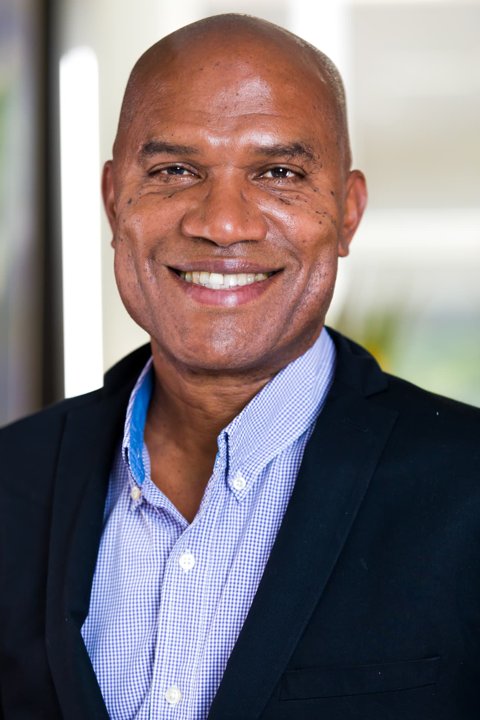
Rohan Hall
Rohan Hall is a technology entrepreneur, AI architect and author with four decades of technology experience, now focused on practical AI across business, education, government and global impact. He founded OceSha Ventures, builds the OceSha AI platform and Lumi, and wrote The Convergence of AI and the Top 10 Emerging Technologies.
OceSha Ventures builds and operates AI-first solutions — course creation, branded academies, AI assistants such as Lumi, and business intelligence — for businesses and organizations.