Help learners apply your expertise with practice built into your course
Use your source material and course objectives to create exercises, scenarios, and applied tasks that move learners from understanding a lesson to using it.

Start with a specific decision or task a learner should be able to handle after a lesson. Bring your existing knowledge into OceSha AI through documents, websites, text, audio, or video, then develop a structured course with practice material. Choose activities that require learners to use the lesson—not just recall it—and review each one for factual accuracy, suitable vocabulary, audience fit, and alignment with your learning objectives before publishing.
- Build practice around what learners should do with the knowledge, not around the volume of information in a lesson.
- Examples, exercises, activities, scenarios, and applied tasks are all forms of course practice material.
- OceSha AI helps turn your expertise and source material into structured courses; you remain responsible for reviewing the educational quality before publication.
- Place practice alongside lessons and assessments so learners have an opportunity to use knowledge before their understanding is evaluated.
- Review instructions and expected responses against your own expertise, especially when source material needs interpretation or context.
What makes a course activity useful practice?
Practice material helps learners apply what they have learned. It can take the form of examples, exercises, activities, scenarios, applied tasks, or other reinforcement material.
A useful activity asks learners to do something with the knowledge in a lesson. They might work through a decision, use a process, examine a situation, or complete a task grounded in the subject being taught. The point is application: learners need an opportunity to try the work of the subject, not merely read another explanation of it. For subject-matter experts, this is where experience becomes especially valuable. Your judgment about what matters in a real task helps distinguish meaningful practice from an activity that only repeats lesson wording. If you are still organizing your source material, start with the wider process of turning teaching materials into courses.
Choose the form that fits the learning objective. An example can show how knowledge is used; an exercise can ask learners to work through a defined task; a scenario can give them a situation to assess; an applied task can ask them to produce or decide something. These are options, not a required set for every lesson. The best choice is the one that makes the intended application clear and gives learners enough context to attempt it.
How do I turn my expertise into activities learners can attempt?
- Identify what learners should be able to apply after a lesson. Phrase it as an action, decision, or task rather than a topic to recognize.
- Select the knowledge learners need for that task. Bring relevant source material into OceSha AI from documents, websites, text, audio, video, or other existing material.
- Develop the course structure and lessons, then decide where practice will help learners use the material. Knowledge, course idea, structure, lessons, practice, assessments, and publication can be connected stages, but they are not a mandatory sequence.
- Write instructions that tell learners what to work with and what to do. Choose an example, exercise, activity, scenario, or applied task according to the objective.
- Review the activity in the context of the lesson and any assessment. Check its accuracy, wording, audience fit, and educational value before publication.
OceSha AI’s self-service course creation platform helps users turn a subject, idea, expertise, or source material into a structured educational course. That support is useful when your knowledge exists across several formats or when an initial course idea still needs organization. Give the platform the material that carries the substance of your teaching, then use your own expertise to decide which applications are worth practicing. For a closer look at the information to provide at the outset, see what to give AI when requesting content based on your expertise.
A learner should be able to tell what they are expected to try. If an activity only asks them to reread an explanation, revise it into a task that calls for using the lesson’s knowledge.
Where does practice fit alongside lessons and assessments?
OceSha AI courses can contain structured lessons and supporting educational elements such as quizzes, certificates, AI-assisted instruction, and learner question-and-answer experiences. Practice serves a distinct purpose among those elements: it gives learners material for applying what they have learned. A lesson develops the subject; practice invites its use; an assessment checks learning. Thinking about these roles together helps you avoid a course that presents information but leaves learners without a way to work with it.
Suppose your lesson explains a process from your professional subject. Follow it with a situation in which the learner must decide how to use that process, then ask them to explain their choice using the lesson’s terms. Review whether the situation accurately reflects what you teach and whether the instructions supply enough context. This is an illustration of activity design, not a preset OceSha AI exercise or a claim about learner outcomes.
Within a course, Lumi can use relevant course material and creator-provided knowledge to help teach the subject. That is part of the learning experience, but it does not replace a well-chosen task. Decide what learners need to attempt themselves, and use instruction and assessment to support that purpose. If you are weighing where AI assistance is useful against the judgments you need to make personally, read which course-development tasks AI assists with and which remain yours.
What should I review before learners see an activity?
Review practice as carefully as the lesson it supports. Before publication, the creator reviews course structure, module organization, lesson content, factual accuracy, vocabulary, audience appropriateness, learning objectives, practice material, assessments, and overall educational quality. An activity can read smoothly yet still teach the wrong application, assume knowledge the lesson has not supplied, or use language that does not suit the audience. Your review is the point at which you correct those problems.
Read the activity as a learner would, then check it as an expert. First, identify the action requested and any ambiguity in the instructions. Next, consider what a reasonable response would need to demonstrate. Finally, compare that expectation with your source material and the lesson. If the activity needs a clearer situation, better terminology, or a different task, refine it before publication. Apply the same scrutiny to the rest of the course using the guide to reviewing and refining an AI-generated course before publishing.
OceSha AI helps develop structured course material, including practice, but the creator reviews its factual accuracy and educational quality before publication. Plan time to inspect and refine activities rather than publishing them solely because they fit the course outline.
How can practice support the larger learning experience?
Practice works best when it belongs to a coherent course rather than standing alone as an isolated prompt. OceSha AI helps users transform knowledge and source material into structured courses and learning experiences. Learners then consume courses and interact with their educational elements. As you develop a course, look across lessons for the applications that matter most: where learners need to make a choice, work through a situation, or carry out a task. Give those moments enough space for practice instead of adding an exercise simply to fill a section.
Course creation is part of a broader workflow. OceSha AI helps users create and distribute content, build a professional presence, engage an audience, and measure results. A creator’s Authority Page brings expertise, profile, courses, and content together in a public professional presence. If learners need a place to discover both your teaching and your other published work, consider presenting your expertise, content, and courses together. You can also see courses and branded academies built on OceSha when considering how courses appear within a broader educational offering.
OceSha AI is the self-service creation platform of OceSha Ventures, the business behind the platform. For help deciding how to approach a particular course workflow, talk to the OceSha team. The central course-design decision remains yours: identify the knowledge learners need to use, give them a purposeful opportunity to use it, and check that the resulting activity teaches the application you intend.
What should I do with practice after the first course draft?
Treat the first draft as a course to inspect, not just a collection of completed sections. Follow the path a learner takes: read a lesson, attempt its practice, and then consider the assessment. If the activity depends on an explanation that appears later, revise its placement or instructions. If several activities ask for the same kind of recall, replace one with a more direct use of the knowledge. This keeps practice connected to progression through the course.
When you return to a generated course, continue reviewing its structure, lessons, practice, and assessments together. The question is not simply whether every lesson contains an activity. It is whether learners have a sensible opportunity to apply the ideas that matter. If you need to resume that work, see where to find and continue editing a generated course. Keep the final review grounded in your expertise: you know which tasks reflect the subject faithfully and which would leave learners with an incomplete or misleading understanding.
Bring your source material into OceSha AI, develop a structured course, and review the practice that helps learners put its lessons to work.
Start with the knowledge you already haveFrequently asked questions
Does every lesson need the same kind of practice activity?
No single activity form is required for every lesson. Choose among examples, exercises, activities, scenarios, applied tasks, and other reinforcement material according to what learners need to apply.
Can I use existing recordings as source material for course practice?
Yes. Users can bring knowledge into OceSha AI through audio and video, as well as documents, websites, text, and other existing material. Review any practice developed from those sources for accuracy and fit.
Is a quiz the same thing as practice material?
Courses can include both practice material to help learners apply what they have learned and supporting elements such as quizzes. Plan each according to its purpose within the learning experience.
Can Lumi help learners with the subject of my course?
Within the course context, Lumi can use relevant course material and creator-provided knowledge to help teach the subject. Design practice so learners also have an opportunity to use that knowledge themselves.
What if an activity sounds plausible but does not match how I teach the subject?
Refine it before publication. Review the practice against your source material, learning objectives, lesson content, vocabulary, audience, and overall educational quality.
Make practice the point where your expertise becomes usable. Begin with what a learner should be able to do, provide the source knowledge behind it, and build an exercise, scenario, or applied task that requires that action. OceSha AI helps organize expertise into a structured course, but a convincing activity still depends on your judgment about accuracy, audience, and educational value. Review practice alongside lessons and assessments before publishing. A course is stronger when learners get a clear chance to work with its knowledge, not just read it.
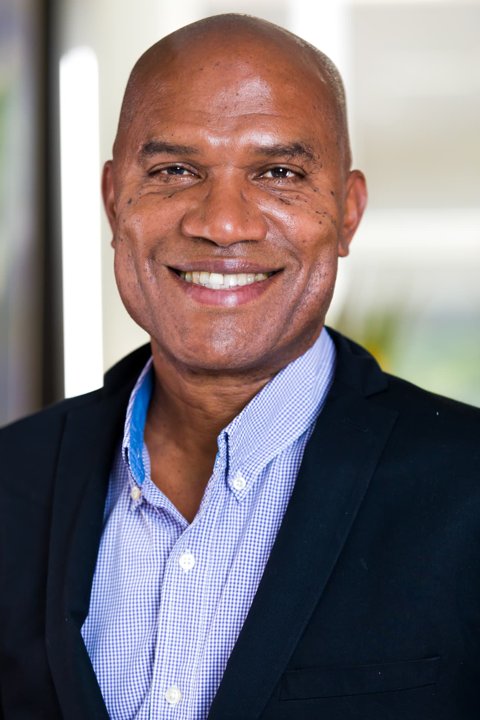
Rohan Hall
Rohan Hall is a technology entrepreneur, AI architect and author with four decades of technology experience, now focused on practical AI across business, education, government and global impact. He founded OceSha Ventures, builds the OceSha AI platform and Lumi, and wrote The Convergence of AI and the Top 10 Emerging Technologies.
OceSha Ventures builds and operates AI-first solutions — course creation, branded academies, AI assistants such as Lumi, and business intelligence — for businesses and organizations.