Use Shopline for product-based content and Stripe for paid course sales
The two connections serve different jobs: Shopline supplies product catalog context, while Stripe processes customer payments for courses.

You do not need both connections for every project. Connect Shopline if you want OceSha AI to use your store’s product catalog as source material for blog, social, or other relevant product-focused content. Connect Stripe if you want customers to pay for your courses. If you plan to do both, use both connections. Your OceSha AI subscription is a separate payment arrangement from the Stripe account you connect to receive course revenue.
- Shopline makes products in your connected catalog available as context for relevant content-creation workflows; it is not the course-payment connection.
- Stripe is the connection course creators use to receive payments from customers purchasing their courses; it does not import a Shopline product catalog.
- For a paid course, the stated flow is create, configure, connect Stripe, publish, then receive payment following a customer purchase.
- Payment Details manages what you pay for your OceSha AI subscription, not the payments customers make for your courses.
- Connect both services when you want to create content from Shopline products and sell paid courses.
Which connection do you need for your goal?
Start with the outcome, not the name of the integration. If your goal is to write about products already in your store, connect Shopline. If your goal is to charge customers for access to a course, connect Stripe. If both goals matter, connect both. These are separate workflows within OceSha AI’s self-service creation platform, which supports course and content creation, publishing, and audience engagement. For the broader distinction between what creators pay OceSha and what learners pay creators, see payments and billing in OceSha AI.
- Product-focused blog or social content
- Connect Shopline so products in your catalog are available as context for relevant content-creation workflows.
- Paid course sales
- Connect Stripe so customer course payments are processed through your connected account.
- Product content and paid courses
- Connect both; each supplies a different part of your work.
- Course creation without product-catalog content
- A Shopline connection is not part of the stated course-payment flow.
The practical distinction is that source material and payment processing are not interchangeable. A connected catalog gives OceSha AI information to work from when creating relevant content. A connected Stripe account handles the customer-payment step of a paid course sale. Choosing the right connection at the outset keeps a content project from being mistaken for a checkout setup—and keeps a published course from being mistaken for a paid course simply because product information is connected.
What does Shopline contribute to content creation?
In OceSha AI, the Shopline connection brings information about products in your connected store catalog into relevant content-creation workflows as source context. Its role is to help you create material about those products, not to process purchases of your courses.
That context supports blog ideas, blog content, social-post ideas, social content, and other relevant product-focused material. A business can use its catalog as the basis for educational, promotional, or informational content about its products. The stated path is straightforward: Shopline product catalog, OceSha AI context, Lumi or content creation, then blog or social content. Because the starting point is an existing catalog, you can use that product information across multiple pieces of content instead of beginning each piece without it.
Suppose you already have products in a connected Shopline catalog and want to explain them in blog and social content. Shopline supplies product information as context; OceSha AI’s content-creation workflows use that context to help produce relevant material. If you later decide to sell a course, the catalog connection has not set up customer payment for that course. That is a separate Stripe decision.
Shopline is one source of context, not the only way to bring knowledge into OceSha AI. Users can also bring existing material such as documents, websites, text, audio, and video for course and content creation. Choose Shopline specifically when the products in your store are the information you want to draw on. For a closer look at the content workflow, read creating blog and social content from Shopline products.
How does Stripe fit into a paid course sale?
Stripe is the connection used by course creators to receive payments for course sales. OceSha AI’s stated paid-course sequence is create course, configure course, connect Stripe, publish, customer purchase, and creator payment. The customer-facing sequence begins on the course sales page: the customer signs up, pays, the payment is processed through connected Stripe, and enrollment leads to course access. This places Stripe at the payment step—not at the point where you import information for writing content.
- Create and configure the course in OceSha AI.
- Connect your Stripe account for paid course sales.
- Publish the course so customers can reach its sales page.
- The customer signs up and pays through the connected Stripe flow.
- Following payment, enrollment gives the customer course access, and the creator receives the course payment.
Course management continues beyond that transaction. OceSha AI provides access to your course portfolio throughout creation, review, publishing, enrollment, learning, and ongoing management. If your immediate question is the connection task rather than the division of responsibilities, follow how to connect Stripe for paid course sales. If you are still deciding whether to charge for a course, how free and paid courses differ addresses the purpose, enrollment flow, and payment responsibilities.
Shopline does not take Stripe’s place in this course-payment flow, and connecting Stripe does not bring your Shopline catalog into OceSha AI. Set up each connection for the job you actually need.
Where does your OceSha AI subscription fit?
There are two distinct money flows. You pay for your OceSha AI subscription through Payment Details. Customers purchasing your courses pay through the supported payment connection you set up to receive course revenue. Updating the subscription payment method in Payment Details is therefore different from connecting your own Stripe account for course sales. One manages your access to OceSha AI; the other supports payments from your learners.
This separation matters when you need to make a change. If you want to update the method used to pay OceSha, look in subscription management. If you want to receive payments for a course, address the course-sales connection instead. Plans can have monthly or annual billing, while plan prices, limits, included capabilities, promotions, and other subscription terms can change. Use your current subscription view for the billing arrangement that applies to you rather than assuming course revenue appears alongside OceSha subscription transactions.
Lumi, OceSha AI’s AI Concierge, provides authenticated how-to guidance for tasks such as finding billing information, updating a subscription payment method, and connecting Stripe. Its guidance helps you find the appropriate platform area; it is not a substitute for making your own account or payment decisions. If you need help with an OceSha AI subscription question or the OceSha side of an integration, talk to the OceSha team.
What should you set up first if you want content and courses?
Work backward from what you intend to publish. For product-focused content, begin with the information you want to use: connect Shopline when your store catalog is the source. For a course, begin with the subject and material you want to teach. OceSha AI accepts existing knowledge from documents, websites, text, audio, video, and other material, and helps turn it into courses and content. Connect Stripe as part of the stated paid-course path before you publish for customer purchases. You do not have to treat your store catalog as a prerequisite for writing or selling a course.
- Decide whether the immediate deliverable is product content, a course, or both.
- For product content, connect Shopline and use catalog information as context for relevant blog or social work.
- For a course, bring in the knowledge you want to teach, then create and configure the course.
- If customers will pay for course access, connect Stripe before publishing the paid course.
- After publishing, manage the course through enrollment, learning, and ongoing course management.
This order also makes it easier to separate preparation from publication. Creating a blog idea from a product and collecting a course payment are different outcomes, even if the same business does both. If you need to decide what material to make before working with a catalog or course, explore turning expertise into useful content ideas. Once a piece is ready, moving generated content from review to publication addresses the next publishing decision.
Who is behind these workflows, and what is the deciding principle?
OceSha AI is the self-service creation platform of OceSha Ventures and its AI-first solutions. It brings course and content work into one platform, while Shopline and Stripe retain different roles within that work. The Creator plan is designed for people who want to create and sell courses, create content, and establish a professional presence using OceSha AI. That makes it useful to think in terms of the full project—but still choose each connection by the task it performs.
Ask whether you need information to create with or a way to receive payment. Shopline answers the first need when that information is your product catalog. Stripe answers the second when customers buy your courses. Use both only when both needs are part of your work.
For an individual expert, that work might include publishing thought-leadership content, building a professional presence, and creating and selling courses. For a business with products, it might also include educational or promotional writing grounded in its connected catalog. Neither example changes the payment distinction: catalog information helps inform content, while the connected Stripe flow processes paid course purchases. Keep those decisions separate even when the finished content and courses support the same broader presence.
Start with the work you want to do: connect Shopline for catalog-based content, Stripe for paid course sales, or both for both workflows.
Choose your next stepFrequently asked questions
Can I create a course without connecting my Shopline catalog?
Yes. Shopline supplies product catalog context for relevant content creation; it is not a step in the stated course-creation and course-payment sequence. You can bring knowledge into OceSha AI from sources including documents, websites, text, audio, and video.
Will connecting Shopline let customers pay for my course?
No. Customers pay for a paid course through the connected Stripe flow. Shopline makes product catalog information available as context for relevant content creation.
Will connecting Stripe give Lumi information about my store’s products?
No. A Stripe connection does not import your Shopline catalog. Connect Shopline if you want products in that catalog available as context for relevant content-creation workflows.
Where do I change the card used to pay for my OceSha AI subscription?
Use Payment Details to manage your OceSha AI subscription payment method. That is separate from connecting your own Stripe account to receive course payments.
Who handles refunds or disputes for my course customers?
The creator is responsible for applicable refunds, disputes, chargebacks, and customer transactions. Those responsibilities are separate from OceSha AI subscription billing.
Connect Shopline for the products you want to write about; connect Stripe for the courses you want customers to buy. There is no benefit in treating either connection as a replacement for the other: catalog context does not process a course payment, and a course-payment connection does not supply product information for content creation. If your plan includes both product-focused publishing and paid courses, use both connections for their respective jobs. Keep your OceSha AI subscription in a third category: Payment Details manages what you pay OceSha, separately from the course revenue you receive.
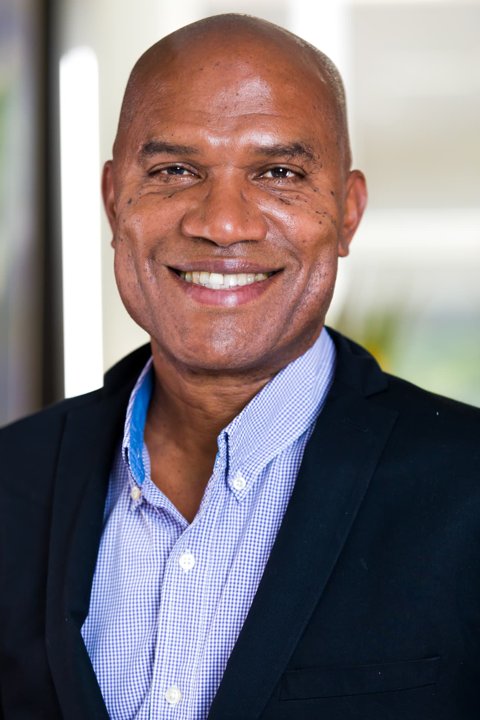
Rohan Hall
Rohan Hall is a technology entrepreneur, AI architect and author with four decades of technology experience, now focused on practical AI across business, education, government and global impact. He founded OceSha Ventures, builds the OceSha AI platform and Lumi, and wrote The Convergence of AI and the Top 10 Emerging Technologies.
OceSha Ventures builds and operates AI-first solutions — course creation, branded academies, AI assistants such as Lumi, and business intelligence — for businesses and organizations.