Turn presentations, documents, and recordings into a structured course
Bring your existing teaching material into OceSha AI, use it to develop a curriculum, and review the resulting course before learners see it.

Start with the presentations, documents, or recordings that already contain what you teach. Add them as source material in OceSha AI, then use AI course generation to organize that knowledge into a structured curriculum. A course experience can include lessons and supporting elements such as quizzes, certificates, AI-assisted instruction, and learner question-and-answer. You remain responsible for reviewing the generated material and deciding when it is ready to publish.
- You do not need to recreate every lesson from scratch: OceSha AI uses existing expertise and source material as the basis for course generation.
- Supported source types include documents, PDFs, presentations, websites and URLs, text, audio, and video.
- AI organizes material into a structured curriculum; the creator reviews and controls the resulting course before making it available to learners.
- A course can include structured lessons and supporting educational elements, rather than simply presenting the original files in sequence.
- My Courses is the place to find a course and manage it through review, publishing, enrollment, learning, and ongoing management.
What counts as course source material?
Source material is the knowledge you provide as the basis for a course. In OceSha AI, that can be a document or PDF, a presentation, a website or URL, text, audio, video, or other existing educational or professional material.
For an educator or trainer, the starting point is often a collection rather than a finished manuscript: presentation slides for a workshop, documents that explain a process, and recordings that preserve spoken instruction. OceSha AI uses existing knowledge and source material to help develop a structured course, so the job is to bring forward what you already know and teach. The wider turn teaching materials into courses topic covers how existing resources become learning experiences; this page focuses on the course-generation path.
Choose sources for the knowledge they contain, not because they already look like lessons. A presentation can supply the subject matter, while a document can add detail and a recording can provide spoken context. The point is to give course generation a substantive foundation. If a recording also contains moments you want to reuse as shorter content, that is a separate question from building the curriculum: see finding reusable moments in recordings.
How do you turn those materials into a curriculum?
Course creation is a core capability of OceSha AI’s self-service creation platform. It uses AI to transform a subject, an idea, expertise, or source material into a structured educational course. Rather than requiring you to manually recreate all of the original material, the course-generation workflow helps develop the material into a curriculum. That distinction matters: a course needs an organized learning experience, not merely a folder of files.
- Gather the presentations, documents, recordings, and other relevant sources that contain the knowledge you want to teach.
- Provide your expertise and source material as the basis for AI course generation in OceSha AI.
- Examine the structured curriculum and resulting lessons against what you intend learners to understand.
- Review and refine AI-generated material before making the course available to learners.
- Use My Courses to return to the course and manage it through publishing and its ongoing lifecycle.
The sequence separates two jobs that are easy to confuse. AI helps with the work of developing and organizing a course; you decide what belongs in it and whether the educational material is ready. If you already generated a course and need to resume that work, finding a generated course in My Courses addresses the next step. If your starting difficulty is deciding what subject to teach at all, begin with turning expertise into useful content ideas before assembling course sources.
What can the finished course contain?
The central output is a structured curriculum with lessons. Course experiences can also include quizzes, certificates, AI-assisted instruction, and learner question-and-answer experiences. These elements serve different purposes: lessons carry the teaching, while supporting elements can help shape how learners engage with it. Treat them as course-design choices, not as substitutes for checking whether the instruction itself is accurate and coherent.
Suppose you teach a workshop using a presentation, maintain a written guide, and have a recording of your explanation. You can use those materials as the basis for AI course generation. OceSha AI helps organize their subject matter into a curriculum; you then inspect the proposed lessons and decide which supporting educational elements suit the course. This example describes the workflow, not a promise that every source will yield a publication-ready lesson without revision.
A published course can also have an external Course Sales Page for discovery and enrollment. That page serves a different purpose from the curriculum: it helps a prospective learner assess the course before enrolling. If enrollment presentation is your next concern, read what a course sales page can show learners.
What should you review before learners see it?
You retain control of the resulting course and can review AI-generated material before making it available to learners. Use that review to compare the curriculum with your source materials and your intended teaching sequence. Check whether the lessons express the right ideas, whether essential context survived the move from slides or spoken explanation into course material, and whether the course presents a sensible path through the subject.
This is where an educator’s judgment has the most value. An organized draft reduces manual assembly, but it does not choose your instructional priorities for you. Decide what learners need first, what needs fuller explanation, and which supporting elements belong in the experience. For a focused publishing review, use what to review before publishing an AI-generated course. To separate AI assistance from creator decisions throughout development, see which course tasks AI assists with.
Treat generation as the beginning of course development, not the final approval. Review the generated material while it is still under your control, refine what needs attention, and make it available only when it reflects what you intend to teach.
What happens after course generation?
My Courses is OceSha AI’s course-management environment. It provides access to your course portfolio and the available management functions for each course. Its scope runs from creation and review through publishing, enrollment, learning, and ongoing management. That makes course generation one stage in a continuing workflow: you can return to a course rather than treating the first generated version as a one-time output.
OceSha AI also extends beyond course generation. It is designed to help creators turn knowledge into educational and professional content, publish and distribute content, build a professional presence, engage an audience, and measure results. If the same source material should inform another format, turning knowledge and sources into blog articles is a separate path to consider. Keep the course’s learning objectives clear even when you reuse its underlying knowledge elsewhere.
OceSha AI is the self-service creation platform of OceSha Ventures’ AI-first solutions business, which builds and operates course creation, branded academies, AI assistants such as Lumi, and business intelligence solutions for businesses and organizations. Lumi is OceSha AI’s AI Concierge and provides guidance on platform features and workflows. If you need to discuss your particular course-creation situation with the team, contact OceSha about your course.
Bring your existing materials into OceSha AI, develop a structured course, and review it before publishing.
Start with what you already teachFrequently asked questions
Can I start with a presentation instead of a written course outline?
Yes. Presentations are among the source types you can bring into OceSha AI. The platform uses source material and expertise to help develop a structured course; review the generated curriculum before publishing it.
Are audio and video useful if my explanation is not written down?
Yes. Audio and video are supported source types, so spoken knowledge can provide context for course generation rather than remaining only inside a recording.
Will OceSha AI simply display my original files as lessons?
The course-generation capability is designed to turn source material into a structured educational course. Inspect the resulting curriculum and lessons to make sure they teach the subject as you intend.
Do I have to use quizzes and certificates?
Course experiences can include quizzes and certificates, along with AI-assisted instruction and learner question-and-answer. Choose supporting elements according to the learning experience you want to provide.
Can I continue working on a course after it has been generated?
Yes. My Courses provides access to your course portfolio and supports course management through review, publishing, enrollment, learning, and ongoing management.
Use your existing materials as the foundation, not as a course you must publish unchanged. OceSha AI takes knowledge from sources such as presentations, documents, audio, and video and helps organize it into a structured curriculum. That removes much of the work of rebuilding material by hand, while leaving the important educational decisions with you. Review the lessons, choose the supporting elements that fit your teaching, and publish only when the result says what you mean to teach. A strong course is a considered learning experience, not simply a converted collection of files.
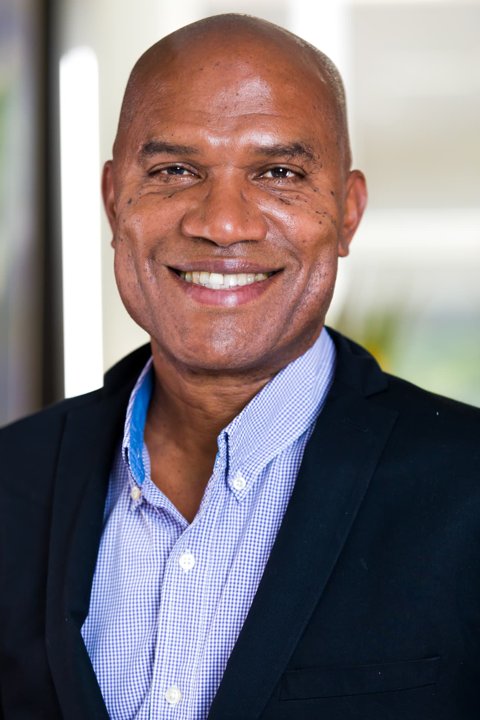
Rohan Hall
Rohan Hall is a technology entrepreneur, AI architect and author with four decades of technology experience, now focused on practical AI across business, education, government and global impact. He founded OceSha Ventures, builds the OceSha AI platform and Lumi, and wrote The Convergence of AI and the Top 10 Emerging Technologies.
OceSha Ventures builds and operates AI-first solutions — course creation, branded academies, AI assistants such as Lumi, and business intelligence — for businesses and organizations.