OceSha AI helps you serve Spanish-speaking audiences through multilingual interaction, content creation, publishing, and lead capture
Turn existing business knowledge into accessible content, give Spanish-speaking visitors a way to engage, and route their inquiries into a process your team can manage.

If you cannot reply properly to inquiries in Spanish, use OceSha AI to create and publish content from your existing documents, websites, text, audio, video, and voice. Visitors can explore your public OceSha presence and use available engagement options to connect with you. Lumi also supports interaction in Spanish and other modern languages, although public-facing Lumi explains OceSha itself rather than serving as a custom assistant grounded in your uploaded business material.
- OceSha AI accepts documents, websites, text, audio, video, voice, and other relevant source material for course and content creation.
- Spanish-speaking visitors can access your public OceSha presence, explore your expertise and content, and use available engagement options.
- Lumi supports interactions in Spanish and other modern languages, but public-facing Lumi is designed to answer questions about OceSha.
- Visitor activity can result in messages, leads, subscribers, learners, or customers, giving your team a practical follow-up path.
- Use analytics to understand activity after content is published and distributed.
Start with the right role for OceSha AI
OceSha AI is a self-service creation platform that helps your business turn existing knowledge into courses and content, publish and distribute that material, build a professional presence, engage audiences, and measure resulting activity. For a business receiving Spanish inquiries, the practical goal is not simply to translate isolated replies. It is to make useful information easier to discover, provide a visible way to connect, and create a manageable route from visitor interest to follow-up. That approach belongs within the wider task of helping audiences discover and contact you. Unlike a one-off response, published material remains available for future visitors.
Lumi, OceSha AI’s AI Concierge, supports interaction in languages such as English, Spanish, French, German, Portuguese, Arabic, Hindi, Chinese, Japanese, and other modern languages. Separately, OceSha AI uses material you provide to support course and content creation, publishing, audience engagement, and analytics. These are related platform capabilities, but they should not be confused with a custom public chatbot answering questions from your uploaded business knowledge.
The OceSha AI self-service platform connects creation with knowledge, payments, publishing, learner engagement, and analytics. That makes it useful when Spanish inquiries expose a broader information gap: prospective learners or customers may need clearer public material, a structured course, or an easier way to contact you. Your team still owns the substance of its information and the handling of the inquiries it receives.
Turn your existing material into content people can use
Begin with source material your organization already trusts. OceSha AI accepts documents, websites, text, audio, video, voice, and other relevant material. It can use those sources to help create courses and content, publish and distribute the resulting work, educate learners, establish a professional presence, engage an audience, and measure results. This gives you a structured alternative to repeatedly drafting answers from scratch whenever a Spanish-speaking prospect contacts you.
- Collect the documents, web pages, written explanations, recordings, and videos that contain the information your audience needs.
- Bring those sources into OceSha AI for use in course and content creation.
- Create material that addresses recurring questions and helps visitors understand your expertise or offering.
- Move reviewed content toward publication or scheduling using the relevant publishing workflow; see how content moves from review to publication when that is your next operational step.
- Distribute the published material and direct audiences to your public OceSha presence.
- Review analytics, leads, publishing activity, and other platform information to understand what happens next.
Suppose your organization receives recurring Spanish inquiries after sharing a long-form video. That video can become an episode and produce short clips. The resulting material can also contribute to social content and be published. Published content can attract visitors to your Authority Page, where available engagement options let them connect with you. Those visitors can then become leads, learners, subscribers, or customers. This workflow uses content to reduce discovery friction without suggesting that Lumi automatically answers organization-specific questions from the uploaded video.
If structured learning is the better response to repeated questions, courses and branded learning experiences are available through courses and academies built on OceSha. Decide whether the information should be offered openly or as part of a paid learning experience by considering how free and paid courses differ. Course customer payments remain separate from your OceSha AI subscription, and creators are responsible for applicable customer transactions, refunds, disputes, and chargebacks.
Give Spanish-speaking visitors a clear public path
Publishing useful content is only part of the solution. Visitors also need somewhere to understand who you are, explore your expertise, and take the next step. OceSha AI gives users a public presence that can be shared through a distributable link. Customers, learners, professional contacts, and other audiences can use that link to access the presence. Visitors can explore the creator’s expertise and content and use the engagement options available there.
Treat the Authority Page as part of your response process, not as a static profile. Keep its supported details current so visitors know whose content they are viewing and how to engage. For profile maintenance, follow the guidance on updating your photo, biography, and profile details. Then establish ownership for incoming activity using the workflow for collecting and managing messages and leads. A visible destination without a follow-up process only relocates the language problem; it does not solve it.
Use Lumi for multilingual OceSha guidance, not unsupported custom answers
Lumi has two documented contexts. Public-facing Lumi helps visitors, prospective customers, partners, and other users understand OceSha without searching through multiple pages. This includes public information about OceSha, its products, services, capabilities, plans, use cases, and other available information. Authenticated Lumi also understands OceSha AI application pages, navigation, features, workflows, course capabilities, content tools, publishing processes, integrations, analytics, settings, and subscriptions.
A Spanish-speaking person evaluating OceSha can interact with Lumi in Spanish to understand the platform. An authenticated user can also request informational and how-to guidance about tasks such as navigating features, creating courses, publishing, finding leads, viewing analytics, updating profiles, managing subscriptions, and choosing the appropriate platform area.
Public-facing Lumi is documented as explaining OceSha; it is not described as a creator-specific public assistant that answers from your uploaded material. Use OceSha AI’s creation and publishing tools to make your own information accessible, then use messages and lead handling for organization-specific inquiries. Before supplying business material, review the documented security and data controls and decide what information is appropriate to provide.
This distinction matters because language accessibility and knowledge scope are different questions. Lumi can support an interaction in Spanish, but the subject of the public interaction is OceSha. Your documents, recordings, and website content support creation workflows such as courses, episodes, clips, social material, publishing, audience education, and measurement. Build your plan around those documented roles rather than assuming every multilingual interface is automatically a customer-service agent for your organization.
Choose an operating model your team can sustain
There are three practical operating models. First, publish clear content that addresses recurring needs and direct Spanish-speaking audiences to it. Second, create a course when the subject requires structured education rather than a short answer. Third, collect messages and leads when a person needs an organization-specific response. Most businesses will use a combination: public content for repeated questions, learning material for deeper instruction, and direct follow-up for individual inquiries.
- Repeated informational question
- Create and publish reusable content from your existing source material.
- Topic requiring structured instruction
- Build a course that connects with publishing, learner engagement, payments where applicable, and analytics.
- Individual or organization-specific inquiry
- Capture the message or lead and assign it for human follow-up.
- Question about OceSha in Spanish
- Use public-facing Lumi to explore OceSha information without searching through multiple pages.
- Question about using the signed-in platform
- Use authenticated Lumi for informational and how-to guidance about supported application areas.
Organizations serving defined communities have another option. OceSha AI can work with businesses, associations, educational organizations, institutions, and others that want to make OceSha capabilities available to members, employees, customers, communities, or another defined audience. If that describes your model, review AI-powered creation for association communities. Specific partner arrangements should be evaluated against the audience you intend to serve.
OceSha AI is the self-service creation platform of OceSha Ventures and its AI-first solutions. OceSha Ventures builds and operates course creation, branded academies, AI assistants such as Lumi, and business intelligence for businesses and organizations. Understanding that relationship helps separate the platform you use from the company that builds and operates the broader set of solutions.
Put the Spanish-inquiry process into action
A workable process needs both content and accountability. Start by identifying the Spanish inquiries that recur most often. Determine which can be addressed through published content, which require structured education, and which must be handled individually. Gather the relevant source material, create the appropriate content, review it, publish it, and distribute the link to your public presence. Then monitor messages, leads, learners, customers, and analytics so your team can see what the audience does after engaging.
- List the recurring Spanish inquiries your team currently struggles to answer.
- Separate general educational needs from questions that require an individual response.
- Gather relevant documents, web content, text, audio, video, and voice material.
- Create reusable content or a course for the general needs you have identified.
- Publish and distribute the material through your public OceSha presence.
- Assign responsibility for reviewing messages and leads and responding to organization-specific inquiries.
- Use analytics and platform activity to refine what you publish next.
Also keep the public identity behind the content complete and current. Clear profile information helps visitors understand whose expertise they are exploring, while a defined lead-management process prevents inquiries from being lost. If you need help deciding how these capabilities fit your situation, contact the OceSha team to discuss the platform and your intended workflow.
Use OceSha AI to create and publish reusable material, establish a public engagement path, and organize follow-up for Spanish-speaking audiences.
Build a workable multilingual inquiry processFrequently asked questions
Can visitors interact with Lumi in Spanish?
Yes. Spanish is one of the named language examples for Lumi interaction, alongside English and several other modern languages.
Will public-facing Lumi answer questions about my organization from files I upload?
That workflow is not documented. Public-facing Lumi helps visitors understand OceSha. Uploaded documents, websites, text, audio, video, voice, and other material support course and content creation, publishing, audience engagement, and measurement.
What source material can I bring into OceSha AI?
You can provide documents, websites, text, audio, video, voice, and other relevant existing material for supported creation workflows.
What can happen after I publish content?
Published material can attract visitors to your Authority Page. Visitors can explore your expertise and content, use available engagement options, and become messages, leads, subscribers, learners, or customers. Analytics can help you understand the resulting activity.
Can a long-form video be reused?
Yes. A long-form video can become an episode and produce short clips. Content can also be turned into social material and published.
Does authenticated Lumi perform account and publishing actions for me?
Authenticated Lumi provides informational and how-to guidance about platform navigation, course creation, publishing, integrations, analytics, profiles, subscriptions, and related application areas. It is not described as performing those actions on the user’s behalf.
Do not treat Spanish inquiries as a series of isolated translation emergencies. Build a repeatable system: turn trusted source material into reusable content or structured learning, publish it through your OceSha presence, offer a clear engagement route, and assign human ownership for messages and leads. Use Lumi in Spanish when the question concerns OceSha or how to use the platform. For questions about your own organization, rely on published material and direct follow-up rather than assuming public Lumi is grounded in your uploads. That division creates a practical, supportable multilingual experience.
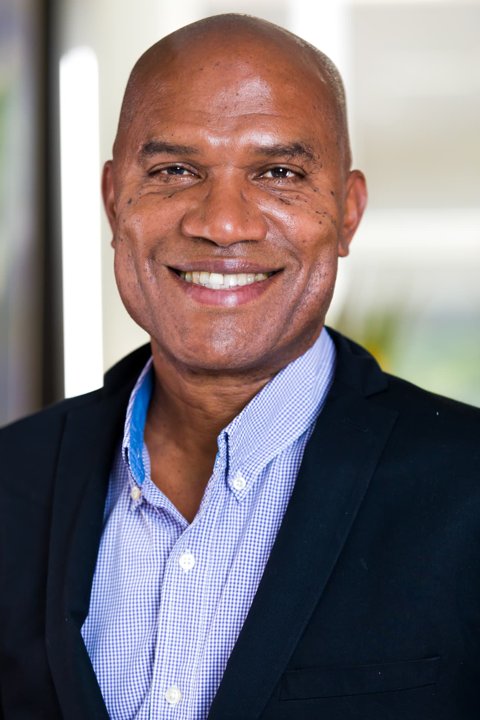
Rohan Hall
Rohan Hall is a technology entrepreneur, AI architect and author with four decades of technology experience, now focused on practical AI across business, education, government and global impact. He founded OceSha Ventures, builds the OceSha AI platform and Lumi, and wrote The Convergence of AI and the Top 10 Emerging Technologies.
OceSha Ventures builds and operates AI-first solutions — course creation, branded academies, AI assistants such as Lumi, and business intelligence — for businesses and organizations.