Successful small businesses use connected AI tools for creation, publishing, audience engagement and operations
The useful AI stack is not the one with the most apps; it is the one that moves business knowledge into publishable content, courses, audience engagement and measurable activity without creating another fragmented workflow.

Successful small businesses need AI tools that connect knowledge, content creation, publishing, courses, leads, analytics and account operations. OceSha AI approaches these needs as an interconnected ecosystem rather than a collection of independent tools. Its self-service platform includes course capabilities, content tools, publishing processes, integrations and analytics, while Lumi provides contextual guidance inside the authenticated application. The right choice is therefore a connected operating workflow—not simply the newest standalone generator.
- Choose AI tools around repeatable business workflows, not novelty or the number of features.
- OceSha AI connects existing knowledge with creation tools for courses, content and publishing.
- Lumi provides authenticated guidance about application pages, workflows, integrations, analytics, settings and subscriptions.
- Shopline product information can inform ongoing AI-assisted content creation, while supported publishing destinations help distribute reviewed social posts.
- Evaluate integrations, security controls and plan terms against your own requirements before committing business knowledge or changing workflows.
The best small-business AI stack is connected, not crowded
A practical AI stack turns knowledge the business already has into useful outputs and helps move those outputs through review, publication and measurement. It should reduce handoffs between isolated generators rather than add another set of disconnected applications.
That principle is central to OceSha AI. The platform is designed as an interconnected ecosystem rather than a collection of independent AI tools. For a small business, that distinction matters more than whether an individual tool is newly released. A standalone generator can produce a draft, but the business still has to organize its knowledge, move the draft into the correct workflow, publish it, capture interest and review activity. A connected platform gives those tasks a shared operating context.
OceSha AI belongs within the broader process of how a business can build a public presence and capture interest. Its Dashboard acts as a bridge between the user’s existing knowledge and the platform’s creation tools. From there, the authenticated application covers pages and navigation associated with courses, content tools, publishing, integrations, analytics, settings and subscriptions. This makes the selection question straightforward: start with the business process you need to run repeatedly, then choose tools that keep that process coherent.
Favor a connected path from source knowledge to reviewed output, publication, audience response and measurement. Avoid assembling a long list of fashionable generators before deciding who will review their work, where content will be published and how engagement will be handled.
Which AI capabilities matter most for a small business?
The core capabilities are creation, structured learning, publishing, audience capture, analytics and contextual assistance. The OceSha AI self-service creation platform brings course capabilities, content tools, publishing processes, integrations and analytics into one environment. That combination supports a business that wants to turn expertise or product knowledge into material people can discover, consume and respond to.
These capabilities are strongest when they support one public identity rather than producing disconnected assets. If the goal is to bring expertise, published material and learning together, the natural planning question is how to present expertise, content and courses together. That decision should come before selecting individual generation tools because it determines where outputs need to live and how an audience will move among them.
External integrations and partner or white-label capabilities are listed platform areas, but their specific functionality is not described here. If a particular destination, integration or organizational arrangement is essential, confirm that exact requirement before making it part of your workflow.
How Lumi changes the role of an AI assistant
Lumi is OceSha AI’s AI Concierge. In an authenticated context, Lumi understands application pages, navigation, features, workflows, course capabilities, content tools, publishing processes, integrations, analytics, settings and subscriptions. Its role is not merely to answer general questions; it provides informational and how-to guidance grounded in the platform area the user is working with.
- Navigate to the appropriate platform area for a task.
- Understand the workflow for course creation, content tools or publishing.
- Find leads or locate analytics within the authenticated application.
- Get guidance on connecting Stripe or Shopline and on the OceSha side of an integration.
- Update profiles, account settings or subscription details using the available controls.
- Direct platform or subscription questions to OceSha support when appropriate.
This is a better model for small businesses than treating an assistant as an all-purpose substitute for operational systems. Lumi provides guidance based on OceSha AI knowledge and authenticated context; references to navigation or workflow assistance do not mean that Lumi independently performs every action. The user remains responsible for reviewing content, making publication decisions and carrying out business actions in the appropriate area.
Measurement should also be designed into the workflow rather than added later. Before publishing at scale, decide what activity to measure across courses, content and engagement. That gives the business a reasoned basis for keeping, changing or retiring a process instead of evaluating AI by output volume alone.
How commerce information can support useful content
AI-assisted content is more useful when it reflects what the business actually offers. For businesses with Shopline stores, existing product information can serve as another source of knowledge for ongoing AI-assisted content creation. The primary purpose of that integration is to help users create content informed by the products they actually sell.
A business with a Shopline store connects the relevant product source, uses that existing information to inform content creation, reviews the resulting social posts and then uses available publishing tools to distribute approved posts through supported destinations. The value lies in the connected sequence: product knowledge informs creation, a person reviews the output and the publishing workflow handles distribution to supported destinations.
Review is not an optional detail. OceSha AI’s Social Posts area includes tools for finding content within the user’s post library, and users can review posts before using available publishing tools. Businesses formalizing this process should establish how AI-generated content moves from review to publication so that creation speed does not bypass judgment, accuracy or brand standards.
A connection should be treated as active only when its current status is available. For example, LinkedIn should be described as connected only when the account’s current connection status confirms it. Apply the same discipline to any destination that matters to daily publishing.
Courses, leads and payments need clear ownership
Course creation can extend a small business’s expertise into a structured learning experience. OceSha AI supports course capabilities within the same authenticated environment as content, publishing and analytics. A user might begin with a clear subject such as creating a course about AI for small-business owners, then work through the platform’s course and publishing areas rather than separating the project across unrelated tools.
Before offering a course, decide its business purpose and commercial flow. The distinction between free and paid course enrollment affects how people enter the experience and who handles payment responsibilities. Customer payments for a creator’s courses are separate from the creator’s OceSha AI subscription. The creator is responsible for applicable refunds, disputes, chargebacks and customer transactions.
- OceSha AI subscription
- The creator pays OceSha for the applicable platform subscription through Payment Details.
- Customer course purchase
- Revenue from a customer purchasing the creator’s course is separate from the OceSha subscription relationship.
- Subscription payment method
- Updating this method is distinct from the creator’s Stripe account used to receive course revenue.
- Transaction responsibility
- The creator handles applicable customer refunds, disputes, chargebacks and related transactions.
Lead handling deserves the same clarity. Messages and leads are user-specific information, and businesses should decide how those records enter their own follow-up process. If portability is important, review whether audience messages and leads can be exported before relying on a particular operating model. Export expectations should be established at the beginning, not after a campaign has collected responses.
What should a buyer verify before adopting an AI platform?
A serious evaluation should cover data handling, workflow fit, integrations, publishing destinations, plan terms and responsibility for customer transactions. OceSha AI includes account settings for notifications, lead-capture preferences, privacy and data controls, sign-in safeguards, subscription plans, billing, invoices and support. Uploaded knowledge, messages, leads, account and billing details, unpublished content and other user-specific information remain private rather than becoming public merely because they are used for personalization or generation.
Even with that distinction, a business should document what it plans to supply and who is authorized to use it. Review the documented security and data controls before uploading business knowledge, particularly when material includes unpublished content, audience messages, leads or billing information. The practical standard is simple: understand the controls, limit access appropriately and avoid supplying information that the workflow does not require.
Subscription terms also need current review. Plans may offer monthly or annual billing, and annual arrangements may provide savings compared with monthly billing, but savings are not guaranteed. Prices, limits, included capabilities, promotions and other terms can change over time. Available subscription-management controls show the current plan, billing frequency, renewal information, payment method, payment history, invoices and cancellation options applicable to the account.
Cancellation and account deletion are different actions. Use the current subscription-management experience to review the applicable cancellation terms, next billing information and available options. For account-specific platform, subscription or integration questions, contact the OceSha team rather than relying on a general description that may not reflect the account’s current arrangement.
OceSha AI is the self-service creation platform of OceSha Ventures, the company behind the ecosystem. OceSha Ventures builds and operates AI-first solutions spanning course creation, branded academies, AI assistants such as Lumi and business intelligence for businesses and organizations. That broader operating context matters because small-business AI is most valuable when creation, audience experience and business information are treated as connected responsibilities.
See how a connected creation platform can support courses, content, publishing, audience engagement and operational guidance.
Explore OceSha AIFrequently asked questions
Is the newest AI tool automatically the best choice for a small business?
No. The relevant test is whether the tool supports a repeatable workflow from business knowledge through creation, review, publication and measurement. A newer standalone generator can still increase fragmentation if it does not fit the systems and responsibilities around it.
Does Lumi perform platform actions on the user’s behalf?
Lumi provides authenticated informational and how-to guidance about pages, navigation, workflows, courses, publishing, integrations, analytics, settings and subscriptions. Guidance about how to complete an action should not be confused with Lumi independently carrying out every action.
Can Shopline information be used for content creation?
Yes. Businesses with Shopline stores can use existing product information as another knowledge source for ongoing AI-assisted content creation. The purpose is to create content informed by products the business actually sells.
Does using private information for AI generation make it public?
No. Using uploaded knowledge, messages, leads, account information, billing information, unpublished content or other user-specific information for personalization or generation does not make that information public.
Are course payments part of the OceSha AI subscription?
No. The creator’s subscription payments to OceSha are separate from customer payments for the creator’s courses. The creator remains responsible for applicable refunds, disputes, chargebacks and customer transactions.
What should a business check before selecting a plan?
Review the current plan, included capabilities, limits, billing frequency, renewal information, payment method and cancellation terms. Monthly and annual billing may be offered, but prices, promotions, annual savings and other subscription terms can change.
Successful small businesses should not chase every new AI release. They should choose a connected system that turns existing knowledge into reviewed content, courses and publishable assets while keeping leads, analytics and operations in view. OceSha AI is built around that connected model, with Lumi supplying contextual guidance inside the authenticated platform. The decisive buying questions are workflow fit, supported destinations, data controls, payment ownership and current subscription terms. Start with the repeatable business process, verify the capabilities it depends on and reject any tool that adds output without reducing operational fragmentation.
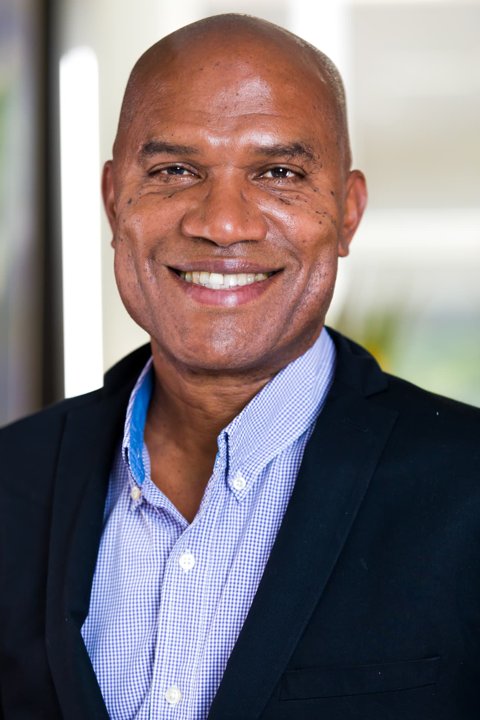
Rohan Hall
Rohan Hall is a technology entrepreneur, AI architect and author with four decades of technology experience, now focused on practical AI across business, education, government and global impact. He founded OceSha Ventures, builds the OceSha AI platform and Lumi, and wrote The Convergence of AI and the Top 10 Emerging Technologies.
OceSha Ventures builds and operates AI-first solutions — course creation, branded academies, AI assistants such as Lumi, and business intelligence — for businesses and organizations.