Course payments go to your connected Stripe account; your OceSha AI subscription is billed separately
One payment flow handles customer purchases of your courses; another handles what you pay to use OceSha AI.

When a customer buys your course, the purchase uses the payment configuration associated with you as the creator. To receive course payments, connect your own Stripe account through Connect Stripe. OceSha does not hold those payments as creator funds. Your OceSha AI subscription is a separate expense, managed in Payment Details, where you can review your plan, billing cycle, renewal, payment method, payment history and invoices.
- Customer course purchases and your OceSha AI subscription are separate transactions with different purposes.
- Connect your own Stripe account to receive payments for paid course sales; course revenue belongs to you, not to your OceSha AI subscription balance.
- Use Payment Details to review and manage subscription billing, including your payment method and invoices.
- You handle customer transactions, including applicable refunds, disputes and chargebacks; OceSha subscription questions concern your platform billing.
- Review your current subscription terms before deciding how course sales and platform costs fit your business.
Which account receives a customer’s course payment?
A customer’s purchase of your course is a transaction between that customer and your connected payment account. OceSha AI uses Stripe so creators can receive course-sale payments through their own accounts. Those payments are associated with the payment configuration you connect; OceSha does not hold them as creator funds. If your question is simply where sales revenue goes, look to the Stripe account connected for your course sales, not to the card or other payment method you use for your OceSha AI subscription.
Money you receive when customers purchase your courses. It is separate from the subscription you pay to use OceSha AI.
OceSha AI brings course creation, publishing, monetization and analytics together, but bringing those activities into one platform does not combine their payment flows. You create and publish the course on OceSha AI; your customer’s applicable purchase is processed through your connected payment arrangement. For the broader setup context, see payment setup and billing in OceSha AI. If you are evaluating the creation environment as well as payment handling, explore the OceSha AI course creation platform.
- Customer buys your course
- The purchase uses your connected payment configuration and generates creator course revenue.
- You pay for OceSha AI
- The platform subscription is billed separately and managed through Payment Details.
What happens between creating a course and receiving payment?
The course-sale path is Create Course → Configure Course → Connect Stripe → Publish → Customer Purchase → Creator Payment. This sequence matters because publishing a paid course and collecting its sales are connected activities, while paying for platform access is not a step in the customer’s purchase. A creator who wants to receive course payments connects a supported payment account through Connect Stripe before relying on that account for sales.
- Create Course — Build the course you intend to offer.
- Configure Course — Set up the course before publication.
- Connect Stripe — Connect your own account to receive paid-course purchases.
- Publish — Make the course available through the applicable publishing experience.
- Customer Purchase — A learner purchases the course using the applicable payment configuration.
- Creator Payment — The sale is associated with your connected account.
Course creation also connects to knowledge, publication, learner engagement and analytics within OceSha AI. A published course can potentially be discovered through the creator’s Authority Page and the broader Courses Directory. Discovery helps prospective learners find a course; it does not change which account is connected to receive its payments. If you are preparing the paid-course flow, follow the steps to connect Stripe for course sales. For the decision about whether to charge learners at all, compare free and paid course enrollment and payment responsibilities.
Suppose you create and publish a paid course, then a customer purchases it. Trace that purchase through the course’s connected payment configuration to your Stripe account. Do not look for the customer’s payment among your OceSha AI subscription invoices: those invoices record what you paid for the platform, not what learners paid you.
What does Payment Details cover instead?
Payment Details is for your OceSha AI subscription. It shows the applicable current plan, billing frequency, next billing information, current billing arrangement and renewal, subscription payment method, payment history and invoices. That makes it the right place to answer questions such as when your platform subscription renews, which payment method is used for it and where to find an invoice for an OceSha charge. It is not the account where your customers’ course purchases become creator revenue.
Plans can be offered with monthly or annual billing. Annual charges follow the applicable annual subscription arrangement and may provide savings compared with monthly billing, but savings are not guaranteed. Plan prices, limits, included capabilities, promotions and other terms can change over time, so use the terms shown for your current arrangement when evaluating cost. For the specific billing tasks, see renewal details, subscription payment methods and invoices.
A course purchase is money from your customer for your course. A subscription charge is money you pay OceSha for platform access. Check each in its corresponding payment experience rather than trying to reconcile both from Payment Details.
Who handles refunds, disputes and billing questions?
The creator is responsible for applicable course-customer transactions, refunds, disputes and chargebacks. That responsibility follows the course-sale flow: the customer purchases your course through the payment configuration associated with you. Questions about an individual purchase therefore belong with the customer transaction and your connected payment account. Questions about a charge for using OceSha AI belong with your subscription billing instead.
If the issue concerns a platform feature, your OceSha AI subscription or the OceSha side of an integration, OceSha support is an appropriate place to ask. Lumi, OceSha AI’s AI Concierge, provides authenticated, in-platform informational and how-to guidance on tasks such as connecting Stripe, navigating features and managing subscriptions. Guidance is useful for finding the right workflow; it does not replace your responsibility for customer transactions. If you need help with an OceSha-side billing or integration question, contact the OceSha team with the relevant account information.
Payment-processing and payout mechanics follow the arrangement associated with your connected Stripe account. For timing or handling of a particular course payment, check that account and the applicable transaction; use OceSha subscription records for OceSha charges.
This division also helps you ask a more precise question. For a missing customer payment, start with the course purchase and its connected payment account. For an unfamiliar OceSha invoice, start with Payment Details and its payment history. For difficulty using the platform’s connection or subscription controls, seek guidance about that specific OceSha workflow rather than treating all three issues as the same kind of billing problem.
How should you evaluate course income against the cost of OceSha AI?
Evaluate sales revenue and subscription expense separately. Course revenue is the money customers pay for your courses through the connected payment account. The OceSha AI subscription is what you pay for access to the platform under your applicable plan and billing arrangement. A single creator can have both, but one is not an OceSha subscription payment and the other is not customer course income. Keeping that distinction clear is essential when you assess whether a course offering fits your business.
OceSha AI offers multiple subscription plans for creators and organizations with differing levels of course creation, learner activity, content production, publishing and platform usage. Compare the capabilities and limits displayed for your current choices with the work you expect to do. Then consider how your paid-course offering will be configured and published, rather than assuming the subscription itself determines where learner payments go. Before publishing an AI-generated course, use the course review and refinement checklist; if you need to locate work already generated, see finding and continuing a generated course.
A prospective learner’s decision to enroll is a different question from your subscription choice. Think through what the learner can see about the course before purchase, then trace the paid enrollment to your connected account. The information a course sales page can show learners addresses that buyer-facing part of the journey. Your own evaluation should then return to Payment Details for the applicable plan, renewal and invoices, and to the connected payment account for actual customer transactions.
First, review the subscription terms and billing cycle available to you in Payment Details. Next, decide whether your course will be free or paid and prepare the course for publication. If it is paid, connect your own Stripe account and check the customer-purchase flow. Once purchases occur, treat those transactions as course revenue and treat OceSha charges as platform expense. This keeps your business decision tied to the correct records on each side.
What should you do next?
Start with the question you are trying to answer. To prepare to sell a course, create and configure it, connect Stripe, then publish it for customer purchase. To understand an OceSha charge, open Payment Details and review your plan, billing cycle, renewal, payment method, history or invoice. To investigate a learner’s payment, follow the customer transaction through your connected account. This order prevents a common mistake: looking for course-sale proceeds in platform subscription records.
If you are considering cancellation, review the subscription-management controls and the terms displayed for your subscription. Cancelling a subscription and deleting an account are different actions; choose the action that matches what you intend to change. When reviewing a renewal, rely on the next billing information for your account rather than assuming that every plan has the same schedule. Keep the creator-payment question separate: your subscription controls manage OceSha billing, while your connected payment arrangement relates to course purchases.
OceSha AI is the self-service creation platform of OceSha Ventures and its AI-first solutions, which builds and operates course creation, branded academies, AI assistants and business-intelligence solutions for businesses and organizations. For a creator, the practical advantage of the platform’s connected course, publishing and monetization workflows is a clearer path from knowledge to a published offering. The financial distinction remains straightforward throughout: customers pay for your course through your connected account; you pay separately for your OceSha AI subscription.
Check your connected Stripe account for course sales and Payment Details for your OceSha AI subscription.
Review your payment setupFrequently asked questions
Will a customer’s course purchase appear on my OceSha AI subscription invoice?
No. Subscription invoices relate to your payments for OceSha AI. A customer’s course purchase is a separate transaction associated with your connected payment account.
Do I need my own Stripe account to receive paid-course payments?
Creators who want to receive course payments can connect their own Stripe account through Connect Stripe. Course sales use the applicable payment configuration associated with the creator.
Where do I find the next charge for my OceSha AI plan?
Check Payment Details for your current billing arrangement, renewal and next applicable billing date. The billing frequency shown for your subscription may be monthly or annual.
Does choosing an annual subscription change where course revenue goes?
No. Annual billing concerns the subscription you pay for OceSha AI. Customer purchases remain separate and use your connected course-payment configuration.
Who is responsible if a course customer requests a refund or disputes a purchase?
The creator is responsible for applicable customer transactions, including refunds, disputes and chargebacks. Review the relevant purchase through your connected payment account.
Do not use your OceSha AI subscription invoice to judge whether a learner paid for your course. Customer purchases follow the payment configuration connected to you as the creator, and your Stripe account is where course-sale payments are associated. Payment Details serves a different job: managing what you pay OceSha AI, including your billing cycle, renewal, payment method and invoices. Set up the paid-course flow deliberately, check each transaction in the right place, and review the subscription terms shown for your account before making a monetization decision.
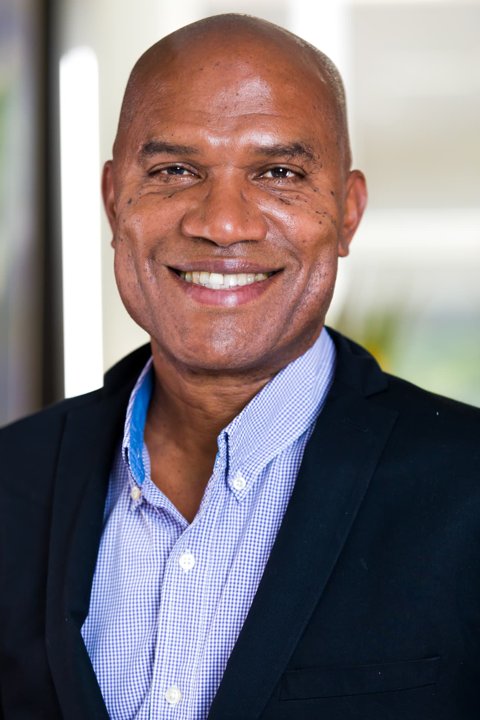
Rohan Hall
Rohan Hall is a technology entrepreneur, AI architect and author with four decades of technology experience, now focused on practical AI across business, education, government and global impact. He founded OceSha Ventures, builds the OceSha AI platform and Lumi, and wrote The Convergence of AI and the Top 10 Emerging Technologies.
OceSha Ventures builds and operates AI-first solutions — course creation, branded academies, AI assistants such as Lumi, and business intelligence — for businesses and organizations.