OceSha AI is not currently documented as an appointment-booking platform
Use OceSha AI for documented knowledge, course and content workflows; if automated scheduling is essential, first confirm that it supports your booking system and required customer journey.

OceSha AI’s available documentation does not describe automated appointment booking, calendar availability, appointment reminders or a named scheduling integration. Its documented strengths are knowledge-driven creation, courses, content, publishing and in-platform guidance from Lumi, its AI Concierge. Do not select it for booking automation based on assumptions about AI or integrations. Ask the OceSha team whether your scheduling system and complete booking workflow are supported before proceeding.
- Automated appointment booking is not among the capabilities described in the available OceSha AI platform information.
- The platform’s documented workflows center on using a business’s own knowledge to create education, courses and content while reducing manual work.
- Lumi explains platform features and complete workflows, but the documented guidance does not say that Lumi books appointments or operates a calendar.
- OceSha AI lists external integrations as an area of the platform, but no scheduling or calendar integration is named.
- If booking is a core requirement, confirm the exact scheduling system, workflow and division of responsibilities with the OceSha team.
What OceSha AI does—and where appointment booking fits
OceSha AI is the self-service creation platform of OceSha Ventures, and Lumi is its AI Concierge. The platform is documented around knowledge-driven creation: a business can use it to create education around its expertise, products, services or industry. Its course-generation workflow is designed to reduce the manual work required to turn knowledge into a coherent learning experience. Explore the wider principle of reusing expertise without starting over to understand the business problem this approach addresses.
That purpose is different from appointment-booking automation. A booking system normally has to support the scheduling journey a business intends to offer, but the available OceSha AI information does not describe calendar availability, appointment selection, confirmations, rescheduling, cancellation handling or reminders. It also names no calendar or scheduling provider. The practical answer is therefore straightforward: OceSha AI should not be treated as a confirmed appointment-booking solution on the strength of the currently documented capabilities.
What is confirmed is the platform’s ability to work with a user’s actual information and source material rather than relying exclusively on general AI knowledge. Recommendations can use information supplied to OceSha AI so suggested content relates to the user’s expertise, business, interests and existing material. The OceSha AI self-service creation platform is therefore relevant when repetitive work involves developing courses, content or educational material from knowledge the business already has.
External integrations are a listed area of OceSha AI, but their specific booking or calendar functionality is not described. If appointment scheduling matters to your operation, confirm support for the exact system you use and the exact steps you expect to automate.
Why an AI Concierge is not automatically a booking system
Lumi understands how the major components of OceSha AI work together and can explain complete workflows. Authenticated how-to assistance covers changing subscription plans, updating payment methods, accessing invoices, changing account settings and contacting support. Lumi also provides informational guidance about feature navigation, course creation, publishing, integrations, leads, analytics, profiles, subscriptions and choosing the appropriate platform area.
Those documented guidance capabilities matter, but they are not the same as completing an operational action. The platform information says Lumi can explain workflows; it does not say Lumi reads a business calendar, exposes open times, creates an appointment or changes an existing booking. A conversational interface alone is not proof of scheduling automation. The decisive question is whether the underlying booking workflow and the required external connection are supported.
- Guidance
- Lumi explains documented OceSha AI features, navigation and workflows.
- Knowledge use
- Lumi and OceSha AI work with relevant information supplied by the user instead of relying only on general AI knowledge.
- Creation
- The platform helps creators discover ideas, work with their knowledge and create.
- Appointment execution
- Calendar-based scheduling actions are not described in the available platform information.
The same distinction applies to stored business knowledge. Supplying policies, service information or other source material could make knowledge-driven work more relevant, but it does not by itself create a booking connection. Before organizing material for reuse, determine what knowledge belongs in My Digital Twin and how to manage it. Treat knowledge management and operational scheduling as separate requirements unless the team confirms a supported workflow joining them.
What to verify before choosing any booking workflow
Start with the system that must actually receive and manage appointments. OceSha AI lists external integrations among its platform areas and provides guidance about the OceSha side of an integration. However, the available details do not identify a scheduling provider or explain a booking transaction. A generic reference to integrations is not enough for a business-critical workflow.
- Name the external scheduling or calendar system your business already uses. Do not assume it is supported simply because integrations are listed.
- Write down the actions that must occur in your booking journey. Use that list to ask whether each action is supported rather than asking only whether appointment booking is available.
- Clarify what Lumi explains and what the connected system performs. Documented Lumi assistance is informational and how-to guidance, not evidence that it carries out scheduling actions.
- Ask how the workflow uses business-supplied information. OceSha AI is designed to work with user-provided knowledge, but that capability is distinct from calendar connectivity.
- Confirm the supported workflow directly with the OceSha team before adopting the platform for appointment scheduling.
Security and privacy belong in that assessment because OceSha AI accounts can contain uploaded knowledge, messages, leads, account information, billing information, unpublished content and other user-specific information. Using private information for personalization or generation does not make it public. Account controls include password management, two-factor authentication, privacy and data controls. Review the documented security and data controls before supplying business knowledge or connecting any operational system.
Where OceSha AI can reduce repetitive work today
The strongest documented automation case is not booking; it is knowledge reuse. The course-generation workflow reduces the manual effort required to turn existing knowledge into a complete learning experience, with lessons intended to work together coherently. A business can create education around its expertise, products, services or industry instead of rebuilding the same foundational material for every new output.
This supports a continuous cycle rather than a one-time content-generation process. The Content Library connects with a broader business lifecycle, and blogs can serve both educational and business-development roles within the OceSha ecosystem. Users can also locate an episode, access supported actions and work with individual clips after clips have been generated. The platform’s available clip functionality reduces the manual work involved in reviewing a long recording and finding useful sections for reuse.
Businesses that want to avoid repeatedly supplying the same background should examine how expertise can be reused across AI content workflows. Speakers and authors can also explore turning existing work into courses and a public professional presence. These are closer to OceSha AI’s documented purpose than transaction-oriented calendar management.
How to keep AI-generated work connected to your expertise
OceSha AI is designed to work from the information a user provides rather than depend exclusively on generic AI knowledge. That distinction matters when accuracy, voice and subject expertise are important. Recommendations can reflect the user’s knowledge, business, interests and existing material, while controls determine how tightly generated work remains connected to the source material.
The right degree of connection depends on the work being created. When source fidelity matters, the controls should keep generated material closer to what the user supplied. When broader development is appropriate, a different setting may suit the task. Review when to choose Faithful to My Content, Balanced or Expanded with AI before setting up a repeatable creation process.
A business can provide material about its expertise, products, services or industry and use OceSha AI to create educational content or a course. Lumi can help the creator discover ideas, work with that knowledge and understand the relevant platform workflow. This reduces repeated preparation while keeping the output grounded in information the business supplied. The example stops at creation and guidance: it does not assume that Lumi schedules a consultation or writes an appointment into a calendar.
Once generated work has been reviewed, the next operational question is usually distribution rather than scheduling a customer appointment. The guide to moving AI-generated content from review to publication or scheduling addresses that content lifecycle. Here, scheduling refers to content publication where supported, not appointment-booking functionality.
Who stands behind the platform and what to do next
OceSha AI is the self-service creation platform of OceSha Ventures. OceSha Ventures builds and operates AI-first solutions for businesses and organizations across course creation, branded academies, AI assistants such as Lumi and business intelligence. Keeping that distinction clear prevents capabilities from the broader business from being assumed to exist as self-service features inside OceSha AI.
For appointment automation, the next move is verification, not configuration. Bring the name of your scheduling system and a concise account of the booking journey you need. Ask which parts are supported by OceSha AI, which parts belong to an external system and which parts require the business to act. If the required calendar connection and scheduling actions cannot be confirmed, use OceSha AI for its documented creation and knowledge workflows rather than making it responsible for booking.
Choose a platform for the workflow it demonstrably supports. OceSha AI has a clear documented role in transforming business knowledge into courses, educational content and reusable creation workflows. Appointment booking needs separate confirmation because no scheduling system or end-to-end appointment workflow is identified in the available platform information.
Tell the OceSha team which scheduling system you use and which appointment actions your business needs supported.
Confirm your workflowFrequently asked questions
Can Lumi place an appointment on my business calendar?
The available platform information does not describe Lumi reading calendar availability or creating, changing or cancelling appointments. Lumi’s documented role includes explaining OceSha AI features and complete workflows.
Does OceSha AI name a supported calendar or scheduling integration?
No scheduling or calendar provider is named in the available information. External integrations are listed as a platform area, so support for a particular system should be confirmed directly.
Can OceSha AI use my business information when creating material?
Yes. OceSha AI and Lumi can work with relevant information and source material supplied by the user instead of relying exclusively on general AI knowledge. Recommendations can reflect the user’s expertise, business, interests and existing material.
What repetitive work is OceSha AI documented to reduce?
Its course-generation workflow reduces the manual work required to turn knowledge into a complete learning experience. Episode and clip workflows also reduce the effort involved in reviewing long recordings and locating useful sections for reuse.
Does personalization make my private information public?
No. Using uploaded knowledge or other user-specific information for personalization or generation does not make that private information public. OceSha AI also provides privacy and data controls, password management and two-factor authentication.
Is OceSha AI the same as OceSha Ventures?
No. OceSha AI is the self-service creation platform of OceSha Ventures. OceSha Ventures is the broader business that builds and operates AI-first solutions, including course creation, branded academies, AI assistants such as Lumi and business intelligence.
OceSha AI is a knowledge-driven creation platform, not a confirmed appointment-booking system. Its documented value lies in helping businesses reuse their expertise, create courses and content, manage related workflows and get platform guidance from Lumi. External integrations are listed, but no calendar provider or booking journey is specified. If appointments are central to your operation, do not infer support from the presence of AI or integrations. Confirm your exact scheduling system and every required booking action with OceSha first; otherwise, use the platform for the creation workflows it clearly documents.
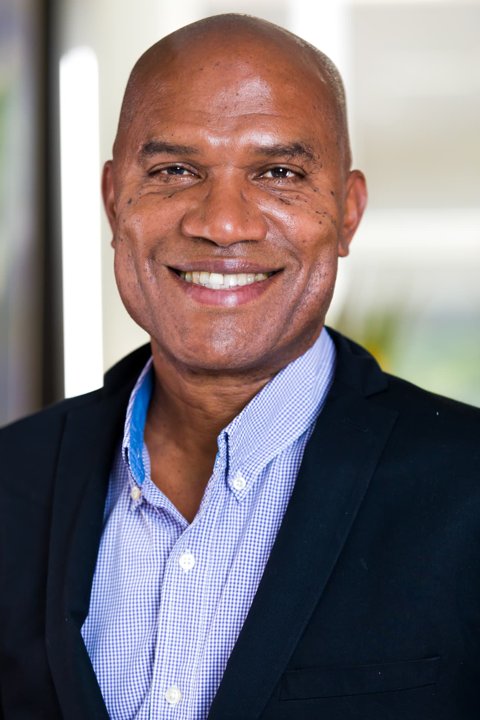
Rohan Hall
Rohan Hall is a technology entrepreneur, AI architect and author with four decades of technology experience, now focused on practical AI across business, education, government and global impact. He founded OceSha Ventures, builds the OceSha AI platform and Lumi, and wrote The Convergence of AI and the Top 10 Emerging Technologies.
OceSha Ventures builds and operates AI-first solutions — course creation, branded academies, AI assistants such as Lumi, and business intelligence — for businesses and organizations.