OceSha AI helps you manage captured leads, but automated outbound follow-up sequences are not currently documented
Use the platform’s lead information, Lumi’s workflow guidance, and your own source material to prepare relevant follow-up while confirming how messages will be sent.

OceSha AI records leads from supported lead-capture experiences and provides guidance for finding those leads. Lumi can explain the relevant platform workflow and work with user-supplied knowledge, but the documented capabilities do not include automated email, text, or other outbound follow-up sequences. Treat OceSha AI as the place to review lead information and prepare informed responses; confirm the sending process or external service separately before promising automatic outreach.
- Leads represent people who shared their details through supported lead-capture experiences.
- Lumi can explain how to find leads and how the platform’s major components work together.
- Lumi and OceSha AI can use relevant uploaded knowledge and source material instead of relying exclusively on generic AI knowledge.
- Automated email, text, and other outbound follow-up sequences are not included in the currently documented capabilities.
- Stripe and Shopline connection guidance is available, but those connections do not by themselves establish an automated lead-follow-up workflow.
Start with the captured lead, not an assumed automation
A lead represents a person who has shown interest or submitted details through a supported lead-capture experience.
The practical starting point is to open the relevant platform area and find the captured leads. OceSha AI includes workflow guidance for finding leads, while Lumi offers a conversational way to ask where information lives and what to do next. This is part of the broader goal to reuse expertise without repeating yourself: preserve useful knowledge, use it in context, and reduce avoidable manual effort.
That distinction matters because capturing a person’s details and sending an automated sequence are separate capabilities. The available information establishes lead capture and lead-finding guidance. It does not describe a sequence builder, automatic email delivery, text-message campaigns, timing rules, or outbound triggers. If automatic outreach is essential, confirm the complete sending workflow before designing your process around it.
Use OceSha AI to locate lead information, understand the relevant workflow, and work from approved source material. Use only a confirmed sending process for the outbound message itself.
Use Lumi to understand the follow-up workflow
Lumi is OceSha AI’s AI Concierge. It provides a conversational route through the platform, so users do not need to understand every feature, menu, or workflow before asking for help. Lumi understands how major platform components work together and can explain complete workflows, including where to find leads and which platform area applies to a task.
- Open the OceSha AI self-service creation platform and identify the relevant lead information captured through a supported experience.
- Ask Lumi how to find leads or navigate the applicable workflow instead of searching every menu manually.
- Review the context you are authorized to use, including relevant uploaded knowledge and source material.
- Prepare a response grounded in that material rather than relying exclusively on general AI knowledge.
- Send the response only through a communication method you have confirmed, because automated outbound delivery is not among the documented OceSha AI capabilities.
- Record and manage the next action according to your organization’s established process.
Lumi provides informational and how-to assistance. The documented guidance covers feature navigation, course creation, publishing, connecting Stripe and Shopline, finding leads, viewing analytics, updating profiles, managing subscriptions, and choosing the appropriate platform area. This means Lumi can explain how to carry out a workflow; it does not mean Lumi independently performs every action it describes.
If your immediate challenge is the intake side rather than the response itself, review how to collect and manage messages and leads. That question should be resolved first because a follow-up process is only as reliable as the information entering it.
Ground each response in your actual knowledge
A strong follow-up should reflect what your organization actually knows, offers, and approves. OceSha AI is designed to work with user-supplied knowledge and source material rather than relying exclusively on generic AI knowledge. Lumi can also use relevant supplied material when helping users understand or complete work.
This is the most important quality control in the process. Before drafting a response, make sure the relevant source material is available and current. The platform’s controls allow users to determine how tightly AI-generated work should remain connected to their own material. That gives the creator control over whether generated content follows the source closely rather than drifting into unsupported generalizations.
A person submits details through a supported lead-capture experience after encountering public content. The creator finds the lead, asks Lumi for guidance on the applicable workflow, and works from relevant uploaded knowledge when preparing the response. The creator then uses a separately confirmed communication method to send it. This example relies on documented lead capture, navigation guidance, and knowledge-grounded assistance; it does not assume that OceSha AI automatically sends the message.
For ongoing maintenance, decide who owns the material used in responses and when it should be updated. Guidance on adding and managing knowledge in My Digital Twin can help establish a more dependable source base for future work.
Uploaded knowledge, messages, leads, account information, billing information, unpublished content, and other user-specific information can be used for personalization or generation without becoming public. Even so, supply only information appropriate for the task and review the documented controls before adding sensitive material.
Separate lead follow-up from payments and enrollment
A lead is not automatically a learner or a paying customer. People become learners when they enroll in an applicable course experience. Customer course payments are also distinct from the creator’s OceSha AI subscription payments. Keeping these stages separate prevents a follow-up process from confusing initial interest, enrollment, payment, and ongoing participation.
- Lead
- A person whose interest or submitted details were captured through a supported experience.
- Learner
- A person enrolled in the applicable course experience.
- Customer course payment
- Revenue associated with a creator’s course transaction.
- OceSha AI subscription payment
- The creator’s separate payment to OceSha for the platform subscription.
This separation affects what a useful follow-up should address. A lead may need information before deciding whether to enroll. An enrolled learner may instead need teaching support or answers about course content. Lumi can work with relevant course content and creator-provided knowledge to support teaching and learner questions, but that is a different workflow from following up with someone who has not purchased.
When the next action involves enrollment or payment, understand how free and paid courses differ before writing the response. The creator is responsible for applicable refunds, disputes, chargebacks, and customer transactions, while OceSha subscription billing remains separate.
Stripe and Shopline are specifically named in the platform’s connection guidance. Their presence confirms that Lumi can provide how-to information about connecting them; it does not establish that either connection supplies an automatic outbound follow-up sequence for leads.
Build a repeatable process without overstating automation
The best current approach is a controlled, repeatable workflow: capture the lead, locate the record, consult relevant knowledge, prepare the response, review it, and use a confirmed channel to send it. This reduces repetitive decision-making even when delivery itself is not documented as automatic.
Keep review and publication decisions explicit. AI-generated recommendations and content can be controlled according to how closely they should follow source material, but a creator still needs a defined path from draft to approved use. The related process for moving AI-generated content from review to publication provides the right framing when follow-up material is part of a larger content operation.
Avoid presenting a drafted response as proof of a delivered campaign. Drafting, reviewing, sending, tracking, and measuring are separate steps. The documented platform guidance includes viewing analytics, but no specific follow-up delivery metrics, campaign reports, or outbound sequence controls are identified in the available information.
Confirm the communication channel, who approves responses, what source material may be used, how consent is handled, and where the team records the next action. If external automation is required, verify that workflow independently.
Choose the right boundary for your data and process
Lead follow-up often involves personal and business information, so access and data controls should be decided before the workflow becomes routine. OceSha AI account areas include lead-capture preferences, security, password management, two-factor authentication, privacy and data controls, notifications, profile information, and account settings.
Private information used for personalization or generation does not become public merely because the platform uses it in that work. Nevertheless, access should reflect the sensitivity of the material involved. Review documented security and data controls and decide what your team should verify before supplying knowledge, messages, or lead information.
OceSha AI is the self-service creation platform of OceSha Ventures and its AI-first solutions, and Lumi is OceSha AI’s AI Concierge. OceSha Ventures builds and operates AI-first solutions spanning course creation, branded academies, AI assistants such as Lumi, and business intelligence for businesses and organizations.
For questions about the OceSha side of the platform, a subscription, or an integration, use the OceSha contact channel. Ask specifically whether the outbound follow-up method you intend to use is supported; do not infer delivery automation from lead capture, AI guidance, Stripe connectivity, or Shopline connectivity alone.
Use OceSha AI to find captured leads, work from relevant source material, and prepare consistent responses. Confirm the outbound sending method before relying on automation.
Plan a verified follow-up workflowFrequently asked questions
Can Lumi automatically email or text every new lead?
Automatic email, text, or other outbound follow-up sequences are not included in the documented capabilities. Lumi can explain workflows and help users navigate relevant platform areas, but that is different from independently sending a sequence.
Can Lumi help me find the people I need to follow up with?
Yes. The documented how-to guidance includes finding leads, and Lumi can explain complete workflows and direct users to the appropriate platform area.
Can follow-up material use my organization’s own information?
Yes. Lumi and OceSha AI can work with relevant user-supplied knowledge and source material instead of relying exclusively on generic AI knowledge. Users can control how closely generated work follows that source material.
Does connecting Stripe or Shopline automate follow-up?
Not based on the documented capabilities. Lumi can provide guidance about connecting Stripe and Shopline, but those connections do not by themselves establish automated outbound messaging or follow-up sequences.
Does a captured lead count as an enrolled learner?
No. A lead is associated with a supported lead-capture experience. A person becomes a learner when they enroll in the applicable course experience.
Is customer course revenue part of my OceSha AI subscription billing?
No. Customer course payments are separate from the creator’s OceSha AI subscription payments. The creator remains responsible for applicable customer transactions, refunds, disputes, and chargebacks.
OceSha AI gives you the foundations for a more consistent follow-up process: captured lead information, guidance for finding it, conversational workflow help through Lumi, and the ability to work from your own knowledge and source material. What it does not currently document is automatic outbound delivery through email, text, or another channel. Build the process around what is confirmed: locate the lead, prepare a grounded response, review it, and send it through a verified method. If end-to-end automation is mandatory, confirm that requirement before rollout rather than assuming lead capture includes follow-up delivery.
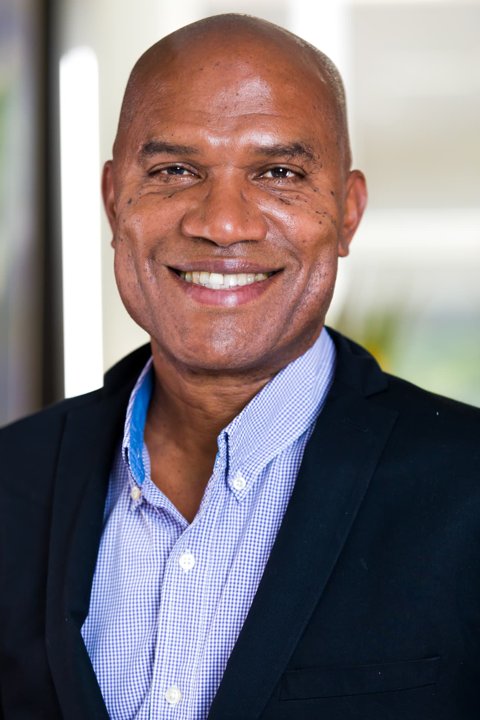
Rohan Hall
Rohan Hall is a technology entrepreneur, AI architect and author with four decades of technology experience, now focused on practical AI across business, education, government and global impact. He founded OceSha Ventures, builds the OceSha AI platform and Lumi, and wrote The Convergence of AI and the Top 10 Emerging Technologies.
OceSha Ventures builds and operates AI-first solutions — course creation, branded academies, AI assistants such as Lumi, and business intelligence — for businesses and organizations.