OceSha AI helps you serve non-English-speaking customers through published content and multilingual access to OceSha guidance
Bring your existing knowledge into OceSha AI, turn it into public content and learning experiences, and use Lumi’s documented multilingual support for questions about OceSha itself.

OceSha AI helps you organize knowledge from documents, websites, text, audio, video, voice, and other material, then use it to create courses and content, publish and distribute that work, engage audiences, and measure activity. Lumi also supports interaction in languages including Spanish, Arabic, Hindi, Chinese, and Japanese, but its documented public-facing role is answering questions about OceSha—not acting as a multilingual concierge for each creator’s business.
- OceSha AI turns existing source material into courses, episodes, clips, social material, and other published content.
- A public OceSha presence gives customers, learners, and professional contacts a shareable destination for accessing your published work.
- Public-facing Lumi supports multiple modern languages when helping visitors understand OceSha, its products, services, capabilities, plans, and use cases.
- The available documentation does not establish automatic translation or multilingual conversational support for each creator’s own business knowledge.
- Use analytics and lead information to understand audience activity, then decide where additional language-specific content is most valuable.
Start with a public presence built from knowledge you already have
OceSha AI is a self-service creation platform for turning existing knowledge into courses, published content, and audience experiences. It helps businesses and organizations address international audiences by making useful material easier to create, distribute, and access. This work fits within the broader process of using content to build a public presence and capture interest. The platform’s role is to help you structure and publish what you know; it is not the business providing your underlying products, services, advice, or customer policies.
In OceSha AI, serving customers who do not speak English means building accessible published material and learning experiences from your knowledge, sharing a public OceSha presence, and using Lumi’s multilingual support within its documented scope. Public-facing Lumi helps people understand OceSha. The documented capabilities do not say that Lumi becomes a multilingual conversational representative for every creator’s business.
You can bring documents, websites, text, audio, video, voice, and other relevant source material into the OceSha AI self-service creation platform. OceSha AI can use that information to help create courses and content, publish and distribute material, educate learners, build a professional presence, engage an audience, and measure results. That connected process is more useful than treating translation as an isolated task: international service depends on what customers can find, understand, access, and do next.
Build language-specific experiences from reliable source material
Begin with the knowledge customers repeatedly need: explanations of your products or services, educational material, recorded presentations, website information, and other existing resources. OceSha AI accepts several source forms, so you do not have to start by rewriting everything into a single format. A document can contribute to a course, while a long-form video can become an episode and produce short clips. Content can also be turned into social material and published.
- Collect the documents, web pages, text, audio, video, voice, and other relevant source material that represents what you want audiences to know.
- Identify which information should become a structured course and which is better suited to episodes, clips, social material, or public content.
- Use OceSha AI to create the relevant course or content from that source knowledge.
- Publish and distribute the finished material through the available publishing capabilities.
- Share your public OceSha presence with customers, learners, professional contacts, and other intended audiences.
- Review analytics and audience activity to understand what people engage with and where more content is needed.
The documented platform capabilities do not specify automatic translation, the languages supported for creator content, or a guarantee that uploaded material will be converted into other languages. If publishing creator-owned material in particular languages is essential, confirm the current language support with the OceSha team before designing your process around it.
For a clear destination, organize your work so visitors do not have to reconstruct your expertise from disconnected posts. The next design question is how to present expertise, published content, and courses together. A coherent public presence is especially important across countries because visitors may arrive through different clips, links, courses, or social posts and still need to understand who created the material and where to continue.
Use Lumi’s multilingual support for its documented purpose
Public-facing Lumi is OceSha’s AI Concierge. It helps visitors, prospective customers, partners, and other users learn about OceSha without searching through multiple pages. Its knowledge can include public information about OceSha, its products, services, capabilities, plans, use cases, and other published information. Visitors can interact with Lumi in modern languages, with named examples including English, Spanish, French, German, Portuguese, Arabic, Hindi, Chinese, and Japanese.
Lumi’s documented public role is explaining OceSha before a visitor signs in. That makes it useful when an international visitor needs to understand the platform, available capabilities, use cases, or other public OceSha information in a supported modern language.
- Public-facing Lumi
- Helps visitors and prospective customers understand public information about OceSha in supported modern languages.
- Authenticated Lumi
- Understands OceSha AI application pages, navigation, features, workflows, courses, content tools, publishing processes, integrations, analytics, settings, and subscriptions.
- Creator’s published presence
- Gives customers, learners, professional contacts, and other audiences access to the creator’s public OceSha content through a shareable link.
The documented multilingual capability applies to interaction with Lumi, while its public knowledge concerns OceSha. It does not establish that Lumi answers questions in multiple languages about each creator’s own fees, policies, products, services, or uploaded knowledge. Design your customer experience around published material unless current product information confirms a broader capability.
Connect content, courses, publishing, and audience engagement
International service works best when content is connected to a meaningful next step. OceSha AI links course creation with knowledge, payments, publishing, learner engagement, and analytics. Knowledge can contribute to a course; a video can produce an episode and short clips; social material can be published; and published work can attract people to a creator’s Authority Page. Visitors and learners interacting with the creator’s content can become messages, leads, subscribers, or customers.
OceSha Academy provides examples of courses and branded academies built on OceSha. When deciding how to package material for different audiences, also distinguish between free and paid course purposes and enrollment flows. Creators can connect supported payment services to receive customer payments for their courses, and those customer transactions are separate from the creator’s OceSha AI subscription payments.
A creator can supply a long-form video containing established educational material. OceSha AI can turn the video into an episode and produce short clips, while the underlying knowledge can also contribute to a course. The resulting material can be published and distributed, drawing visitors to the creator’s Authority Page. This scenario uses documented creation and publishing capabilities; it does not assume automatic translation or multilingual answers about the creator’s business.
Measure whether international visitors are progressing
Publishing more content is not the final objective. OceSha AI also supports understanding analytics, leads, publishing, payments, and other platform capabilities. Analytics can help a creator understand the activity resulting from published material. Use that information to evaluate whether people are reaching your public presence, engaging with content, and continuing toward a course or another available outcome.
Keep measurement questions concrete. Determine what the platform documents across courses, published content, and audience engagement, rather than assuming every desired international metric is available. The facts identify analytics and resulting activity in general, but they do not specify country reports, language segmentation, translation-quality scores, or conversion breakdowns by language.
Messages and leads can indicate that content has prompted further interest. If those records need to move into another process, first check whether audience messages and leads can be exported. Integrations connect knowledge creation with other systems used for business, commerce, and distribution, although the available facts do not identify every supported integration or define specific export formats.
Uploaded knowledge, messages, leads, account information, billing information, unpublished content, and other user-specific information remain distinct from public content; using private information for personalization or generation does not make it public. Before supplying sensitive knowledge, review documented security and data controls and what to verify.
Choose the right next step for your organization
OceSha AI is the self-service platform of OceSha Ventures, the company behind OceSha AI. OceSha Ventures builds and operates AI-first solutions involving course creation, branded academies, AI assistants such as Lumi, and business intelligence for businesses and organizations. OceSha AI can also work with organizations that want to make OceSha capabilities available to members, employees, customers, communities, or other defined audiences.
- Define the international audience and the information it needs from your organization.
- Choose reliable source material in documents, websites, text, audio, video, voice, or another relevant form.
- Select the appropriate output: a course, an episode, clips, social material, or another public content experience.
- Confirm current language support before depending on automatic translation or language-specific creator experiences.
- Publish and distribute the material, then share the applicable public OceSha link.
- Use available analytics and lead information to guide the next content decision.
If your publishing process includes formal approvals or timed releases, separately investigate moving AI-generated content from review to publication or scheduling. OceSha AI supports content creation, publishing, and distribution, but the supplied platform information does not define a particular review workflow or document scheduling functionality. Treat those as requirements to confirm rather than assumptions.
Bring together the knowledge, courses, and published material your audience needs, and confirm current language support for any multilingual requirement that is essential to your organization.
Plan your international content presenceFrequently asked questions
Does OceSha AI automatically translate my content?
Automatic translation of creator content is not specified in the available platform information. OceSha AI supports creating and publishing material from supplied knowledge, while Lumi’s documented multilingual capability concerns interaction with the AI Concierge. Confirm current translation and creator-content language support before relying on it.
Which languages does Lumi support?
Named examples include English, Spanish, French, German, Portuguese, Arabic, Hindi, Chinese, and Japanese, along with other modern languages. Public-facing Lumi uses this capability to help visitors understand OceSha and its publicly available information.
Can Lumi answer international customers’ questions about my own business?
The documented public-facing experience describes Lumi answering questions about OceSha, including its products, services, capabilities, plans, and use cases. It does not document Lumi as a multilingual concierge for every creator’s own products, pricing, policies, or uploaded business knowledge.
What material can I bring into OceSha AI?
Supported source examples include documents, websites, text, audio, video, voice, and other relevant existing material. That knowledge can contribute to courses, episodes, clips, social material, and other published content.
How can people access my public OceSha presence?
Users can copy and distribute the applicable public link so customers, learners, professional contacts, and other audiences can access their public OceSha presence.
Can organizations make OceSha capabilities available to a defined community?
Yes. OceSha AI can work with organizations that want to make OceSha capabilities available to members, employees, customers, communities, or other defined audiences. Partner programs can support associations, businesses, educational organizations, institutions, and other organizations.
Use OceSha AI to create a connected public presence from knowledge you already trust, then publish courses and content that international audiences can access. Lumi adds genuine multilingual value when visitors need help understanding OceSha, but its documented public role should not be mistaken for a multilingual concierge trained on every creator’s business. Start with reliable source material, confirm language-specific requirements before committing to a workflow, publish through the platform, and use analytics and lead activity to decide what your audience needs next.
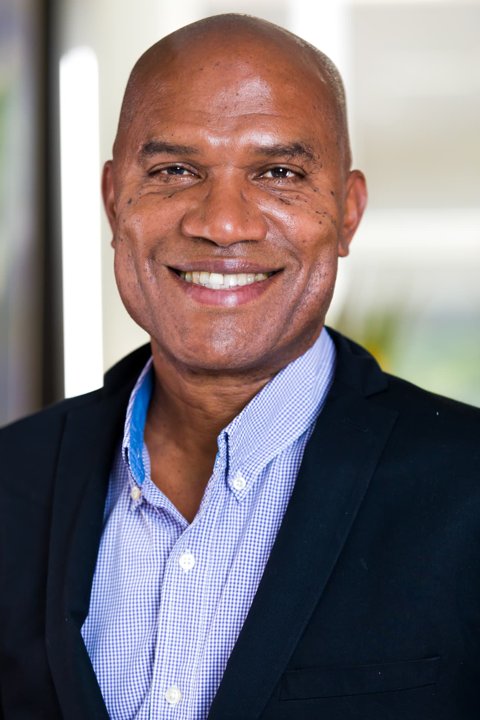
Rohan Hall
Rohan Hall is a technology entrepreneur, AI architect and author with four decades of technology experience, now focused on practical AI across business, education, government and global impact. He founded OceSha Ventures, builds the OceSha AI platform and Lumi, and wrote The Convergence of AI and the Top 10 Emerging Technologies.
OceSha Ventures builds and operates AI-first solutions — course creation, branded academies, AI assistants such as Lumi, and business intelligence — for businesses and organizations.