Stop missing Facebook and Instagram messages by giving every conversation an owner, a response deadline and one follow-up queue
For a San Diego business, the reliable solution is a channel-management process that captures each message, assigns responsibility and tracks the conversation until it is resolved.

Treat Facebook and Instagram as customer-service channels, not feeds someone checks when time permits. Turn on notifications, define response windows, assign one person per shift and move every unresolved conversation into a shared follow-up queue. Use approved answers for recurring questions and record leads that require action. OceSha AI complements this process by centralizing interactions that originate through supported OceSha experiences in Messages & Leads.
- Give every incoming message one named owner; shared responsibility without assignment is how conversations disappear.
- Set response windows based on urgency, business hours and staffing rather than promising instant replies around the clock.
- Keep unresolved conversations in a central queue with a next action, owner and follow-up time.
- Use approved answers for common questions, but escalate requests involving exceptions, sensitive information or commitments.
- Review message volume, response delays and repeated questions weekly so the workflow improves instead of merely getting busier.
Why Facebook and Instagram messages get missed
OceSha AI helps businesses organize interactions from supported OceSha experiences, but stopping missed Facebook and Instagram messages starts with a broader operating discipline. Social inboxes mix questions, comments, reactions, spam and sales inquiries. Notifications may reach several people, yet nobody knows who owns the reply. A message can look handled because someone opened it even though the customer never received an answer.
Conversation ownership means one named person is responsible for moving a message from arrival to a reply, escalation or documented closure. Others may help, but accountability remains explicit until the conversation is finished.
The location of the business does not change this principle. A San Diego team may need to account for local opening hours, weekend demand or customers in other time zones, but the operational failure is usually the same: notifications are mistaken for a queue. A notification says something happened. A queue shows what still needs action.
Begin by documenting every place where a customer can initiate contact and who currently checks it. That inventory should include Facebook messages, Instagram direct messages, replies to stories, comments that require private follow-up and any other customer-facing channel the team operates. If this extends well beyond two networks, use the same inventory method described in handling customer messages across five apps. For a broader diagnosis, see why customer messages fall through the cracks.
Create a workflow that does not depend on memory
A reliable workflow gives every message the same basic treatment: capture it, classify it, assign it, answer it and close it. The process should be simple enough to follow during a busy day. Avoid systems that require team members to remember which conversations need another look; unresolved work should remain visible until somebody completes it.
- Capture — Enable the relevant business notifications and check the actual inbox on a defined schedule. Do not rely solely on a personal device or a notification banner.
- Classify — Mark the message as a routine question, lead, support issue, complaint, spam or escalation. Use only categories that change what the team does next.
- Assign — Give the conversation to one person. If shifts change, transfer ownership explicitly rather than assuming the next person will notice it.
- Respond — Use an approved answer when the request is routine. Personalize the opening and address the question directly instead of sending an unrelated template.
- Escalate — Route requests involving exceptions, commitments, sensitive details or specialist judgment to the right person, with context attached.
- Follow up — Record the next action and its due time whenever the first response does not complete the conversation.
- Close — Mark the conversation complete only after the customer has received an answer or the team has taken the promised action.
An opened message is not a completed message. Keep it in the active queue until the reply, escalation or promised follow-up has happened.
If the immediate issue is platform-specific, a focused Facebook and Instagram message process helps separate social-inbox work from email, website and internal requests. The objective is not merely a faster first reply; it is a traceable path from the customer’s question to a finished outcome.
Set ownership and response expectations your team can sustain
Choose coverage hours that match your actual staffing, then publish and enforce an internal response target for those hours. A small team is better served by a realistic schedule than by an informal promise to be constantly available. Define who opens the inbox, who covers breaks and handoffs, and who handles messages that remain unresolved at the end of a shift.
- Single owner
- One person manages both social inboxes during designated hours. This is simple, but coverage must be explicit when that person is unavailable.
- Shift ownership
- Responsibility transfers at scheduled times. The outgoing owner hands over unresolved conversations with their status and next action.
- Specialist routing
- An inbox owner handles routine questions and assigns complex requests to the relevant person. The original owner keeps tracking the conversation until it returns.
- Rotating duty
- Team members take turns owning the queue. This spreads the workload but requires a visible schedule and consistent procedures.
For price inquiries, prepare an approved source that reflects the business’s current information and specify who can discuss exceptions. The responder should answer the question directly, clarify what the price covers when appropriate and identify the next step without improvising an unsupported offer. A dedicated workflow for handling Instagram price questions consistently is useful when pricing requests are frequent.
Do not let a quick social reply become an accidental promise about availability, delivery, refunds, pricing exceptions or policy. Route anything outside the approved answer to the person authorized to decide it.
Reduce repeated work without making replies feel robotic
Templates are most effective when they standardize facts and next steps, not when they replace judgment. Build a short answer library from questions the team actually receives. Each entry should contain the approved answer, the source used to maintain it, the person responsible for updates and the conditions that require escalation.
A prospective customer sends an Instagram message with a recurring question. The inbox owner classifies it, uses the relevant approved answer and records a follow-up if another person must act. If the same question continues to appear, the team improves the shared answer rather than asking every responder to compose a new explanation from scratch.
Repeated questions are evidence that information is difficult to find or that customers need a clearer explanation. Use them to improve public content as well as private replies. For a systematic approach, review how to stop manually answering repeated questions and how to reduce repetitive daily email replies. The same answer source can support multiple channels, even when each channel needs a different length or tone.
Use one follow-up queue and measure the points of failure
A central follow-up queue is the operational backbone of the system. It does not need elaborate categories. At minimum, each unresolved conversation needs the channel, customer or conversation reference, owner, status, next action and due time. The queue should make overdue work obvious and allow a replacement to understand what has already happened.
Do not use message counts alone as a performance measure. A team can send many replies while still losing important conversations. Measure whether questions reach resolution, whether handoffs work and whether commitments are completed. During a promotion or announcement, establish temporary coverage before demand arrives; handling customer questions during a product launch requires more deliberate triage than an ordinary week.
This review also exposes avoidable administrative work. Copying the same information between tools, repeatedly asking who owns a request and reconstructing prior conversations are signs of a broken process. Address those causes before adding more notifications. The principles in reducing team busywork at its source apply directly to social-message operations.
Where OceSha AI fits into the communication system
The OceSha AI self-service creation platform provides Messages & Leads as a central place to manage interactions that originate through supported OceSha experiences. Messages let visitors contact a user through those experiences, while visitors and learners interacting with published material can become messages, leads, subscribers or customers. Lumi is the consistent AI Concierge across the OceSha ecosystem.
The platform supports a connected journey: Create Content → Publish → Authority Page → Visitor Engagement → Messages & Leads. Supported content can be distributed through the Authority Page and connected external channels. Analytics provide visibility into courses, content, audience activity, leads, messages and revenue, helping users understand activity across the OceSha AI ecosystem.
That makes OceSha AI useful as the owned part of a wider communication strategy. Content can attract visitors to an Authority Page, where engagement can lead to messages and leads that are managed in one area. Knowledge supplied by a user can also support more relevant AI experiences. Public-facing Lumi helps visitors and prospective customers understand OceSha without searching through multiple pages.
OceSha AI is the self-service platform of OceSha Ventures and its AI-first solutions. If you want to discuss how the platform fits alongside your social-message process, contact the OceSha team. Bring a list of your current channels, message volume patterns, recurring questions and handoff problems so the conversation starts with the workflow you actually need.
List every customer channel, assign an owner to each one and identify where unresolved conversations will be tracked. Then talk with OceSha about how supported OceSha interactions can feed into Messages & Leads.
Map your message workflowFrequently asked questions
Should one person manage both Facebook and Instagram messages?
Yes, when the volume is manageable and backup coverage is explicit. One owner reduces ambiguity. If demand exceeds one person’s capacity, use shift ownership or specialist routing while keeping responsibility for each conversation visible.
How often should a small team check social inboxes?
Choose a schedule based on customer expectations, urgency and available staff. The important point is consistency: define coverage periods, check at known intervals and make clear what happens to messages received outside those periods.
What information should be saved for an unresolved message?
Record the channel, conversation reference, assigned owner, current status, next action and due time. Add enough context for another team member to continue without asking the customer to repeat the issue.
When should a social message be escalated?
Escalate requests involving sensitive information, complaints, policy exceptions, commitments, refunds, unusual pricing or specialist judgment. The first responder should acknowledge the request and explain the next step without inventing an answer.
How do we know whether the new process is working?
Review unanswered messages, response delays, overdue follow-ups, ownership gaps and repeated questions. Focus on completed outcomes rather than the number of replies sent.
What does Messages & Leads do in OceSha AI?
Messages & Leads gives users a central place to manage interactions from supported OceSha experiences. Messages allow visitors to contact the user through those experiences, and engagement with content can result in messages, leads, subscribers or customers.
Missing social messages is an ownership problem before it is a technology problem. Give every Facebook and Instagram conversation one owner, a response expectation and a visible next action. Standardize recurring answers, escalate exceptions and review unresolved work every week. Do not mistake notifications, opened messages or quick acknowledgements for completed service. OceSha AI can strengthen the owned side of this system by bringing interactions from supported OceSha experiences into Messages & Leads, connecting published content, visitor engagement, leads and analytics in one ecosystem.
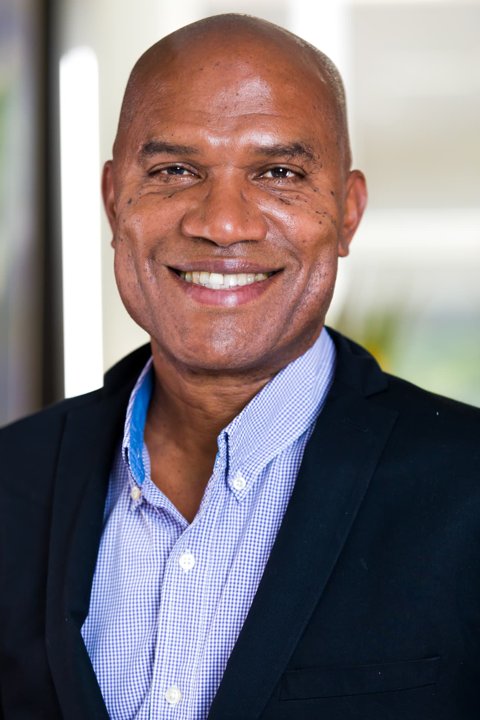
Rohan Hall
Rohan Hall is a technology entrepreneur, AI architect and author with four decades of technology experience, now focused on practical AI across business, education, government and global impact. He founded OceSha Ventures, builds the OceSha AI platform and Lumi, and wrote The Convergence of AI and the Top 10 Emerging Technologies.
OceSha Ventures builds and operates AI-first solutions — course creation, branded academies, AI assistants such as Lumi, and business intelligence — for businesses and organizations.