Support customers across time zones with self-service answers, clear response windows, and structured handoffs
A San Diego business does not need a staffed office in every country, but it does need a deliberate system for answering routine questions, managing language differences, and handing urgent issues to the right person.

To support customers in different time zones from San Diego, combine a searchable knowledge base, multilingual self-service content, published response times, and a reliable handoff process. Start with the regions generating real demand rather than trying to cover the whole world at once. OceSha AI supports this approach by turning existing documents, websites, text, audio, and video into content, courses, and public information experiences, with Lumi providing an AI Concierge interface.
- Design support around customer demand and issue urgency, not around the goal of being continuously staffed everywhere.
- Put answers to frequent, low-risk questions into public self-service resources so customers do not have to wait for San Diego business hours.
- Publish response windows with a named time zone and collect enough information in the first message to prevent repeated overnight delays.
- Prioritize languages using actual customer demand, then review important translations for meaning, terminology, and brand consistency.
- OceSha AI can turn existing knowledge into content and public experiences, while Lumi gives visitors an easier way to explore that information.
Start with the time-zone problem you actually have
OceSha AI helps San Diego businesses organize knowledge into self-service content and AI-assisted public experiences, but technology should follow a sound support design. Begin by determining when customers contact you, where they are located, which issues they raise, and which requests genuinely require a person. The objective is not to imitate a global call center. It is to make routine answers easy to obtain and ensure that time-sensitive cases reach a responsible person without being lost overnight.
Follow-the-sun support is an operating model in which responsibility moves between people or teams in different regions as their working days begin and end. It offers broad live coverage, but it also requires staffing, training, consistent records, and disciplined handoffs. A smaller business can often solve most of the underlying problem more efficiently through strong self-service resources and clearly defined escalation periods.
Review several weeks of support activity and group requests by customer region, local contact time, topic, urgency, and whether the answer already exists. Separate genuine emergencies from questions that merely feel urgent because they arrived while your San Diego team was offline. This analysis will tell you whether you need extended live hours, a rotating on-call arrangement, better asynchronous support, or some combination of the three. For a broader operating framework, see how to support customers in different time zones.
Measure the gap between when customers need a useful response and when your team can provide one. A ten-hour time difference is manageable when the customer immediately receives an accurate answer or a clear expectation. It becomes damaging when the request sits without acknowledgment, ownership, or context.
Build the support system in the right order
Do not begin by adding overnight shifts. First remove avoidable demand, then improve asynchronous handling, and only then add live coverage where evidence justifies it. This sequence protects service quality without committing the business to an expensive staffing model before the real need is understood.
- Map demand — Identify the countries, time zones, languages, contact times, and recurring questions represented in actual customer conversations.
- Classify issues — Mark each topic as self-service, next-business-day, time-sensitive, or emergency. Give every urgent category a named owner and escalation route.
- Publish core answers — Create concise resources for common questions, policies, processes, onboarding steps, and troubleshooting. Keep each answer focused enough to be found and understood quickly.
- Set expectations — State your operating hours in a named time zone, explain typical response windows, and tell customers what information to include when they contact you.
- Improve intake — Ask for the customer’s location, preferred language, affected product or service, urgency, and relevant context in the first message.
- Test handoffs — Run sample requests through the system near the end of the San Diego workday. Verify that the next responsible person receives the history, status, and required action.
- Expand selectively — Add extended hours, regional staff, or outside coverage only for periods and issue types that consistently require live intervention.
This model also helps a business evaluate selling abroad without hiring local staff. Self-service information can extend reach, but it does not eliminate the need for accountable human ownership of exceptions, complaints, or sensitive decisions. The strongest system makes that boundary obvious to both customers and staff.
Use self-service to bridge the hours when San Diego is offline
Self-service is the foundation of time-zone support because it works asynchronously. Start with the questions customers repeatedly ask before buying, during onboarding, and while using what you provide. Each answer should state the issue plainly, give the necessary action in order, define any important terms, and explain how to request human help if the answer does not resolve the problem.
Treat the knowledge source as operational infrastructure, not a collection of promotional pages. Give each important answer an owner, review it after policies or processes change, and remove contradictory versions. A polished AI or search interface cannot repair inaccurate source material. Customers will experience outdated guidance as a service failure regardless of how quickly it was delivered.
A customer in another region submits a question after the San Diego team has finished work. The self-service layer presents the relevant published information and the contact process collects the customer’s location, preferred language, issue, and urgency. If the published material resolves the question, the customer can continue. If not, the San Diego team starts its next work period with the context needed to act instead of sending a basic clarification and losing another day.
Handle language separately from time-zone coverage
Time zones determine when people need help; language determines whether they can understand it. They are related, but solving one does not solve the other. A translated website can make essential information accessible, while live service may still operate during limited hours. Conversely, extended hours are of little value when customers cannot clearly explain the problem or understand the answer. Decide whether translating your website is worth it by examining customer demand, commercial importance, support volume, and the consequences of misunderstanding.
Choose languages deliberately. Review the languages used in inquiries, sales conversations, website activity, and support records. Prioritize the combination of meaningful demand and business importance rather than publishing many languages that your team cannot maintain. The guide to choosing which languages to support first can help structure that decision.
- Human translation
- Best suited to high-impact material where nuance, legal meaning, safety, or brand tone requires close review.
- Machine translation
- Useful for speed and scale, particularly for drafts and lower-risk material, but important content still benefits from review.
- AI-assisted multilingual interaction
- Helps people ask and explore questions in their language when it is grounded in maintained source information.
- Hybrid workflow
- Uses automated translation or drafting for efficiency and human review for high-value or sensitive content.
Keep a controlled glossary for product terms, policy names, common actions, and phrases that must remain consistent. Define who approves changes and update all language versions when the source changes. This is central to keeping the same brand voice across languages. If you are deciding where automation is appropriate, evaluate whether machine translation is good enough for customer service according to the risk and complexity of each content type rather than applying one rule to everything.
Where OceSha AI and Lumi fit
The OceSha AI self-service creation platform helps users bring knowledge into the platform from documents, websites, text, audio, video, and other existing material. That information can support the creation of courses and content, publishing and distribution, learner education, audience engagement, a professional public presence, and measurement of resulting activity. For an international support strategy, the practical value is the ability to turn established knowledge into resources customers can use without waiting for a live San Diego response.
Lumi is OceSha AI’s AI Concierge. Public-facing Lumi helps visitors, prospective customers, partners, and other users learn about OceSha without requiring them to search through multiple pages. Users can interact with Lumi in languages such as English, Spanish, French, German, Portuguese, Arabic, Hindi, Chinese, and Japanese, as well as other modern languages. This multilingual capability also makes Dashboard recommendations and creation experiences accessible across languages and regions.
OceSha AI connects course creation with knowledge, payments, publishing, learner engagement, and analytics. A long-form video can become an episode and produce short clips; content can become social material and be published; and published material can lead visitors to the user’s Authority Page. This forms a continuing cycle rather than a one-time content-generation task.
OceSha AI is the self-service creation platform of OceSha Ventures, the company behind the platform. OceSha Ventures builds and operates AI-first solutions spanning course creation, branded academies, AI assistants such as Lumi, and business intelligence for businesses and organizations. If you want to discuss how your current knowledge and support workflow could be organized, contact the OceSha team.
Operate the system as a service discipline
International support fails when a business treats setup as completion. Assign ownership for source information, translation review, unanswered questions, and escalations. Review what customers ask when your team is offline, identify answers that were missing or unclear, and improve the source material. The goal is a feedback loop: real questions expose knowledge gaps, updates improve self-service, and better self-service reduces preventable delays.
Use a small set of operational measures: requests by customer region and hour, topics generating repeat contact, issues resolved through published information, cases waiting for a San Diego handoff, and requests that missed the stated response window. Trends matter more than isolated incidents. If one region repeatedly produces urgent demand at the same local time, that is evidence for changing coverage. If most questions concern the same process, improve the explanation before hiring another shift.
Multilingual information and AI-assisted interaction strengthen asynchronous support, but urgent, sensitive, or account-specific cases still need a clearly owned human process. Publish the route customers should use and make sure the team knows who takes responsibility when that route is triggered.
Finally, test the experience from outside your own working day. Submit a question near closing time, use a different language where relevant, follow the published instructions, and inspect what the next team member receives. This exposes vague response promises, missing fields, stale translations, and broken ownership before customers encounter them. Businesses facing a larger language gap can also review answering questions in languages your team does not speak.
Organize the questions customers ask across time zones, identify the source material that answers them, and use OceSha AI to turn that knowledge into accessible content and public experiences.
Plan your international self-service experienceFrequently asked questions
Should I publish support hours in Pacific Time or the customer’s local time?
Always name the time zone rather than listing bare hours. Pacific Time provides a stable reference for a San Diego team; customer-facing systems can also show a local conversion when it is accurate and maintained. Include expected response windows so customers understand what happens after they submit a request.
Which questions should become self-service content first?
Start with frequent questions that have stable, low-risk answers: general policies, basic processes, onboarding guidance, common troubleshooting, and the information required before contacting support. Prioritize topics that repeatedly cause an overnight clarification cycle.
When should I add staff in another region?
Consider regional staffing when demand is consistent, commercially important, and too urgent or complex for asynchronous handling. Confirm that the pattern persists before adding coverage, and document handoff responsibilities so the additional hours improve service rather than fragment it.
How often should multilingual support content be reviewed?
Review translated content whenever the source policy, process, or terminology changes. Also schedule recurring checks based on the importance and rate of change of each resource. High-impact material deserves more frequent review than general educational content.
Can customers access a public OceSha presence by link?
Yes. Users can copy and distribute a link so customers, learners, professional contacts, and other audiences can access their public OceSha presence.
What information should an international support form collect?
Collect the customer’s location or time zone, preferred language, issue category, urgency, relevant context, and desired outcome. Ask only for information required to route and resolve the request, and avoid requesting passwords or unnecessary sensitive credentials.
The right answer for a San Diego business is not to promise live support everywhere. Build an intentional system: identify where demand occurs, classify urgency, publish reliable answers, collect complete context, and create accountable handoffs. Add languages and extended staffing only where customer evidence supports them. OceSha AI fits by helping transform existing knowledge into content, courses, public resources, and multilingual AI-assisted experiences through Lumi. That combination gives international customers a useful path forward while preserving human ownership for the cases that genuinely require it.
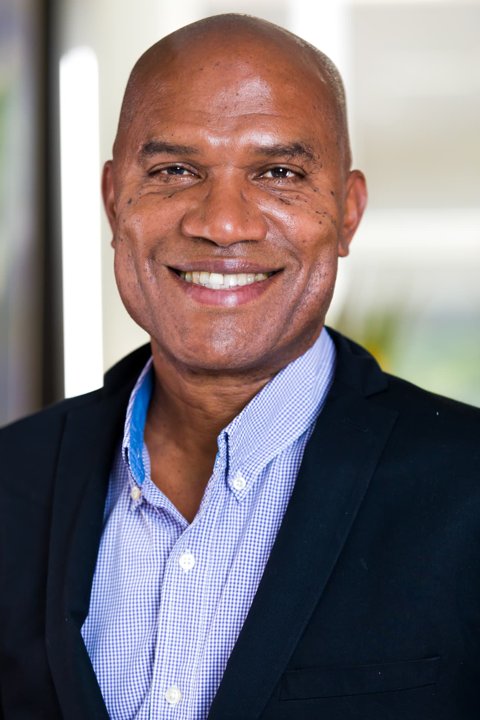
Rohan Hall
Rohan Hall is a technology entrepreneur, AI architect and author with four decades of technology experience, now focused on practical AI across business, education, government and global impact. He founded OceSha Ventures, builds the OceSha AI platform and Lumi, and wrote The Convergence of AI and the Top 10 Emerging Technologies.
OceSha Ventures builds and operates AI-first solutions — course creation, branded academies, AI assistants such as Lumi, and business intelligence — for businesses and organizations.