AI customer service is ready for defined small-business tasks—but not as an unchecked replacement for human support
OceSha AI shows where an AI Concierge is most useful today: answering grounded questions, explaining workflows, personalizing guidance and directing the user to support when appropriate.

Yes, for a clearly bounded role. Lumi, the AI Concierge for OceSha AI, provides informational and how-to guidance across platform navigation, course creation, publishing, analytics, integrations, settings and subscriptions. Authenticated guidance can reflect the user’s account context, including billing and invoices. The practical standard is not whether AI replaces every service interaction; it is whether the assistant has reliable knowledge, defined responsibilities and a route to human support.
- AI customer service works best when its scope is explicit and its answers are grounded in relevant business or platform knowledge.
- Authenticated Lumi understands OceSha AI’s pages, workflows, content tools, publishing processes, analytics, integrations, settings and subscriptions.
- An AI assistant can personalize guidance using information the user has supplied without making that private information public.
- Billing, payment methods, invoices, cancellation and course-payment responsibilities require precise distinctions rather than generic answers.
- Small businesses should preserve a clear path to human support for platform, subscription and integration questions.
What “good enough” should mean for a small business
AI customer service is good enough when it can answer a defined class of questions from relevant knowledge, explain the next action accurately, use permitted account context appropriately and direct the user to human support when the issue falls outside that role.
For a small business, the useful question is not whether an AI assistant can imitate an entire service department. It is whether the assistant can reliably handle the recurring informational work assigned to it. OceSha AI approaches that problem as part of a broader system for reusing expertise without starting over, rather than treating an assistant as an isolated chat box.
OceSha AI is the self-service creation platform of OceSha Ventures, and Lumi is its AI Concierge. Within the authenticated application, Lumi understands pages, navigation, features, workflows, course capabilities, content tools, publishing processes, integrations, analytics, settings and subscriptions. That gives it a concrete service role: helping users understand where they are, what a feature does and how to proceed through supported platform workflows.
This model matters because a useful assistant needs access to the right body of knowledge. Businesses can use the OceSha AI self-service creation platform to create education around their expertise, products, services or industry. The platform is designed as an interconnected ecosystem, linking knowledge creation with courses, content, publishing, leads, commerce and distribution rather than presenting unrelated AI utilities.
What Lumi can handle inside OceSha AI
Lumi provides informational and how-to guidance based on OceSha AI knowledge. Its scope includes feature navigation, course creation, publishing, connecting Stripe and Shopline, finding leads, viewing analytics, updating profiles, managing subscriptions and identifying the appropriate area of the platform. Lumi explains these activities; the guidance should not be confused with Lumi independently carrying out every action for the user.
Authenticated guidance can use applicable account information to answer questions about the current subscription, billing frequency, next billing information, payment method, payment history, invoices and cancellation options. Lumi can also explain how to change plans, update payment methods, access invoices, change account settings and contact support.
The quality of those answers depends on organized knowledge and proper management of it. Before assigning an assistant a broader role, decide what knowledge belongs in a digital twin and how to manage it. OceSha AI recommendations can use information the user has supplied so suggested content is relevant to that user’s knowledge, expertise, business, interests and existing material.
Why connected knowledge is more useful than a standalone chatbot
OceSha AI is designed as an interconnected ecosystem rather than a collection of independent AI tools. Its Dashboard acts as a bridge between the user’s existing knowledge and the platform’s creation tools. That structure supports a continuous path from knowledge to courses, publication, customers, purchases and creator revenue.
- Create Course — Turn relevant expertise or business knowledge into a course.
- Configure Course — Prepare the course information a prospective learner needs to understand and evaluate it.
- Connect Stripe — Link a supported payment integration for customer purchases.
- Publish — Make the completed course available through the supported publishing process.
- Customer Purchase — Allow the customer to enroll and pay through the connected flow.
- Creator Payment — Receive course revenue through the supported payment integration.
The same connected principle applies to content. Users can review social posts and distribute them through available publishing tools to supported destinations. Blogs can serve educational and business-development purposes, while supported lead or communication data can be exported for appropriate business use. Long recordings can also be reviewed for reusable sections with less manual work.
For a small business, this reduces the need to reintroduce the same source material at every stage. The next design question is how to reuse expertise across AI content workflows without supplying it repeatedly. Speakers and authors can also examine turning existing work into courses and content when their source material already contains the expertise they want to make accessible.
Where human judgment still matters
A small business should keep people responsible for decisions that involve changing terms, financial responsibility or exceptions. OceSha AI plan prices, limits, included capabilities, annual savings, promotions and other subscription terms can change over time. Monthly and annual billing can be offered, and an annual arrangement may provide savings compared with monthly billing, but savings are not guaranteed.
- OceSha AI subscription
- The creator or user pays OceSha for the applicable platform subscription through Payment Details.
- Customer course payment
- A customer pays the creator for a course through a supported payment integration; the creator is responsible for applicable refunds, disputes, chargebacks and customer transactions.
That distinction should shape service answers. Updating the payment method for an OceSha AI subscription is separate from the creator’s Stripe account used to receive course revenue. Payment history for an OceSha subscription can include an invoice number, date, description, amount, payment status and invoice. Cancelling a subscription is also different from deleting an account, and the cancellation experience displays the terms applicable to the user’s subscription.
Use Lumi for platform and subscription guidance, then involve OceSha support when a question requires help with the platform, the OceSha AI subscription or the OceSha side of an integration. If a specific integration or white-label capability is essential to your operation, confirm that exact functionality before designing the service workflow around it.
The same discipline applies to generated content. Users deciding how closely output should follow their source material should review when to choose among content-generation approaches. For courses, it is equally important to understand how free and paid course flows differ, especially because customer payment responsibilities remain separate from the OceSha AI subscription.
Privacy, account context and trust
Useful AI guidance often requires context, but context should not be confused with public disclosure. Uploaded knowledge, messages, leads, account information, billing information, unpublished content and other user-specific information can be used for personalization or generation without making that private information public.
OceSha AI account controls cover profile information, account settings, Authority Page information, notifications, lead-capture preferences, security, password management, two-factor authentication, privacy and data controls, subscription plans, billing, payment history, invoices and support. Buyers should examine the documented security and data controls to verify before supplying business knowledge, particularly when the intended assistant will rely on unpublished or account-specific material.
Trust also depends on review before distribution. Users can review social posts and use available publishing tools to send them to supported destinations. When content is not ready to go live, the relevant operational question is how generated content moves from review to publication. An assistant should clarify the workflow and help the user locate the right controls; publication decisions remain part of the user’s process.
Give the assistant enough approved knowledge to answer its assigned questions, keep sensitive account information within the relevant authenticated context, and retain human ownership of exceptions, financial disputes and publication decisions.
How to decide whether AI customer service fits your business
Start with a narrow service assignment. List the recurring questions the assistant should answer, identify the knowledge required for each answer and determine which questions must go to a person. A strong initial scope resembles Lumi’s role inside OceSha AI: explain pages and features, guide the user through known workflows, surface relevant account information and point to support when needed.
A business might use OceSha AI to create education around its expertise, products, services or industry. Its assistant could help visitors understand that approved educational material, while the connected platform supports courses, publishing and lead workflows. The business should define the source knowledge and retain responsibility for matters outside the assistant’s stated scope.
The organization behind the platform also matters. OceSha Ventures builds and operates AI-first solutions spanning course creation, branded academies, AI assistants such as Lumi and business intelligence for businesses and organizations. Courses and branded learning environments created on the ecosystem can be explored through OceSha Academy.
The right decision is therefore operational, not theoretical. Choose AI service for repeatable questions supported by reliable knowledge and clear workflows. Keep people available for exceptions and responsibilities that remain with the business. To discuss the platform’s fit for a defined service use case, contact the OceSha team.
Start with recurring, knowledge-based questions, preserve human ownership of exceptions and use OceSha AI to connect expertise with creation, publishing and business workflows.
Define the assistant’s job before expanding itFrequently asked questions
Does Lumi perform platform actions for the user?
Lumi provides informational and how-to guidance about navigation, workflows, course creation, publishing, integrations, analytics, settings and subscriptions. That guidance is not a statement that Lumi independently performs each action.
Can Lumi answer questions about an OceSha AI subscription?
Yes. Authenticated guidance can cover the current plan, billing frequency, renewal, payment method, payment history, invoices, cancellation options and available subscription-management controls.
Are course payments the same as OceSha AI subscription payments?
No. The creator pays OceSha for the OceSha AI subscription. Customers purchasing the creator’s courses pay through supported payment integrations, and the creator remains responsible for applicable refunds, disputes, chargebacks and customer transactions.
Does using private information for personalization make it public?
No. Using uploaded knowledge, messages, leads, account information, billing information or unpublished content for personalization or generation does not make that private information public.
Can a business connect OceSha AI with other systems?
Integrations connect knowledge creation with systems used for business, commerce and distribution. Stripe and Shopline appear in platform guidance, while the available functionality for any required integration should be confirmed before relying on it.
Who should handle issues Lumi cannot resolve?
OceSha support can assist with platform questions, OceSha AI subscription questions and questions involving the OceSha side of an integration.
AI customer service is ready for small businesses when the job is bounded and the knowledge is controlled. Lumi demonstrates the right pattern: grounded platform guidance, authenticated account context, workflow explanations and a route to support. Do not judge readiness by whether AI can replace every human conversation. Judge it by whether the assistant can answer its assigned questions accurately, preserve the distinction between private context and public information, and hand off financial, contractual or exceptional issues. Start narrow, connect the assistant to useful knowledge and expand only where the workflow remains clear.
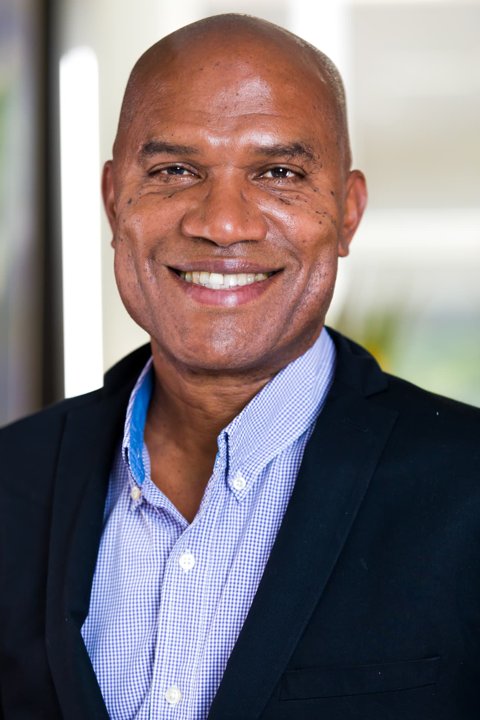
Rohan Hall
Rohan Hall is a technology entrepreneur, AI architect and author with four decades of technology experience, now focused on practical AI across business, education, government and global impact. He founded OceSha Ventures, builds the OceSha AI platform and Lumi, and wrote The Convergence of AI and the Top 10 Emerging Technologies.
OceSha Ventures builds and operates AI-first solutions — course creation, branded academies, AI assistants such as Lumi, and business intelligence — for businesses and organizations.