Turn your existing work into courses, content, and a public professional presence
OceSha AI helps speakers and authors use work they have already created as the foundation for learning experiences, ongoing content, and a place to share their expertise.

Bring your presentations, recordings, manuscripts, articles, or other relevant material into OceSha AI. Use that knowledge to develop a structured course, create additional content, and publish work that reflects your expertise. Your Authority Page brings your profile, courses, and published content together in a public professional presence you can share. The strongest starting point is a subject you already teach or explain well—not a plan to produce everything at once.
- Existing talks, writing, research, and recordings can provide source material for courses and further content.
- OceSha AI supports structured courses and learning experiences, not just one-off content generation.
- A reusable knowledge foundation helps carry your expertise across multiple OceSha content workflows.
- The Authority Page brings your profile, expertise, courses, and published content into one public professional presence.
- Start with one clear subject and choose the format that serves it: a course for structured learning, shorter content for ongoing publishing, or both.
Start with the work you have already done
A speaker’s presentation and an author’s manuscript already contain decisions about what matters, how to explain it, and which ideas belong together. OceSha AI gives that existing work another use. You can bring in presentations, professional documents, articles, guides, research, educational material, and existing course material. Audio and video sources include podcasts, interviews, webinars, training sessions, and recorded discussions. Websites and text are also supported source types. The goal is to build from your knowledge rather than repeatedly begin with an empty page.
This approach belongs to the broader practice of reusing your expertise without starting over. It is especially useful when your ideas already exist in more than one form: a talk may introduce a subject, a recording may contain a detailed explanation, and a written guide may supply the structure. Together, those materials give you a stronger starting point for deciding what should become a course and what should become shorter, regularly published content.
If you have delivered a presentation on a subject you also cover in articles, begin with those materials. Identify the ideas a learner needs in sequence for a course. Then identify explanations that stand on their own as articles or social posts. The same expertise supports both, while each format has a different job.
Make the course the structured version of your expertise
A course should do more than collect your existing files. It should turn knowledge and source material into a structured learning experience. OceSha AI makes course creation a core capability: speakers and authors can use material they already have to develop education around a subject they know. That is the decisive difference between publishing another piece of content and building something a learner can follow as a course.
Treat the source material as the foundation, then make choices for the learner.
- Choose a subject you can explain clearly from existing work.
- Bring together the relevant talks, writing, recordings, or other source material.
- Develop the material into a structured course and learning experience.
- Decide whether the course should be free for education or audience building, or sold as an offering.
Free courses have a real purpose: they can support education, professional development, member benefits, audience building, or lead generation. An individual expert can also use OceSha AI to create and sell courses. Choose based on what the course is meant to accomplish, not on the assumption that every piece of teaching must be sold. The OceSha AI course and content creation platform connects course creation with publishing, professional presence, lead generation, monetization, and analytics, so the course can sit within a wider body of work rather than remain an isolated product.
Use the same knowledge for content with different jobs
A course is only one possible outcome. OceSha AI supports content creation across courses, episodes, clips, blogs, social posts, and images. For a speaker or author, the useful question is not how many formats to produce. It is which idea deserves a complete learning sequence and which ideas would help an audience through a shorter article, post, or excerpt. A substantial subject may warrant a course; one focused explanation may work better as a blog article.
Recordings are particularly valuable because an interview, presentation, or podcast episode may contain useful moments beyond its original release. If that is the material you have most of, look at finding reusable moments in recordings before planning an entirely new production schedule. For written work, turning source material into blog articles is a more focused next question. These are different editorial decisions: one extracts a concise moment from a longer recording; the other develops a written piece from knowledge you already hold.
You do not need to supply your professional background from scratch for every new idea. OceSha AI supports a reusable knowledge foundation across multiple capabilities, and Lumi can use information you have supplied about a subject when recommending potential courses, blogs, social posts, videos, or other content. If your main obstacle is deciding what to make next, explore content ideas drawn from your expertise. If the obstacle is repeated setup, the more relevant question is reusing expertise across AI content workflows.
Build a public presence around the work, not apart from it
Your Authority Page is your public professional presence within the OceSha ecosystem. It brings your profile, expertise, courses, and content together in one place.
For a speaker or author, a course and a stream of published ideas are more useful when people can understand how they connect to the person behind them. The Authority Page serves as a public-facing hub for your OceSha content and professional presence. Published social posts can appear there alongside other content such as courses, blogs, episodes, clips, and images. You can copy and distribute its link to customers, learners, professional contacts, and other audiences.
This makes publishing a cumulative activity. A reader who encounters a post can see it as part of a larger body of expertise; someone considering a course can also find your profile and other published work. Plan what belongs in that public presentation instead of treating every output as a separate destination. For a closer look at that decision, see presenting expertise and courses in one shareable place.
Keep source knowledge distinct from what you publish
Your source material and your public content serve different purposes. A manuscript, research document, training recording, or professional guide can inform what you create without every part of that source becoming a public post or course. Decide which ideas are ready to teach, which examples belong in shorter content, and which material should stay in your working collection. That editorial choice matters more than converting every available file into an output.
OceSha AI accepts varied knowledge sources, including documents, websites, text, audio, and video. Web sources can be useful for existing articles, professional information, company information, and educational resources. If you are deciding what knowledge to bring into your wider workflow, what knowledge to add to My Digital Twin is a related question. Begin with material relevant to the subject you intend to teach or discuss; a well-chosen source is more useful than a large, unfocused collection.
Before creating an output, name its audience and job. Use a course when the audience needs an organized path through the subject. Use an article or post when one point deserves a focused explanation. Use a clip when a recording already contains a moment worth sharing on its own.
Put the workflow together and decide what to do next
The clearest workflow is to select one subject, gather the existing material that supports it, and choose a first outcome. For a speaker, that might mean using a presentation and its recording as the basis for a course, then identifying useful moments for shorter content. For an author, it might mean using a manuscript and related articles to develop a learning experience, then publishing focused explanations that introduce individual ideas. These are examples of how to organize the work, not a requirement to produce every format.
Once you have created content, bring the public pieces together through your Authority Page and share its link with the people you want to reach. Continue creating from your knowledge foundation as new questions or topics emerge. Lumi, OceSha AI’s AI Concierge, answers questions about platform features, navigation, course and content workflows, publishing, analytics, and other areas. Use it when you need to find the appropriate part of the platform or understand how a workflow operates.
OceSha AI is the self-service creation platform of OceSha Ventures and its AI-first solutions, the business that builds and operates offerings spanning course creation, branded academies, AI assistants, and business intelligence. If you want to discuss whether this approach fits your work, contact the OceSha team with the kinds of material you have and the outcome you want to create first.
Choose the talk, recording, or piece of writing you would most like to develop. Decide whether it should first become a course or a focused piece of content, then build outward from there.
Start with your strongest subjectFrequently asked questions
Can I start with recordings rather than written material?
Yes. OceSha AI accepts audio and video sources, including podcasts, interviews, presentations, webinars, training sessions, and recorded discussions. Long-form video or podcast episodes can also provide useful moments for shorter clips.
Does every source need to become a course?
No. Use a course when the subject needs a structured learning experience. An individual idea may be better suited to a blog article or social post, while a useful moment from a recording may work as a clip.
Can a course be free?
Yes. Free courses can serve education, audience building, professional development, member benefits, or lead generation. An individual expert can also create and sell courses.
Where can people find the work I publish?
Your Authority Page brings your profile, expertise, courses, and published content together as a public professional presence. You can share its link with learners, customers, professional contacts, and other audiences.
What should I prepare before I begin?
Choose one subject and collect the presentations, writing, recordings, or other relevant material that explains it. Then decide whether your first outcome is a structured course or a focused piece of content.
Speakers and authors should treat their existing work as an asset to organize, not a backlog to republish indiscriminately. Start with a subject you know well, use relevant talks, recordings, and writing to build a structured course or a focused piece of content, and give each format a clear purpose. OceSha AI connects that creation work with publishing and a public Authority Page, so your courses and ideas can form a coherent professional presence. Make one useful first outcome, then extend the body of work from the same expertise.
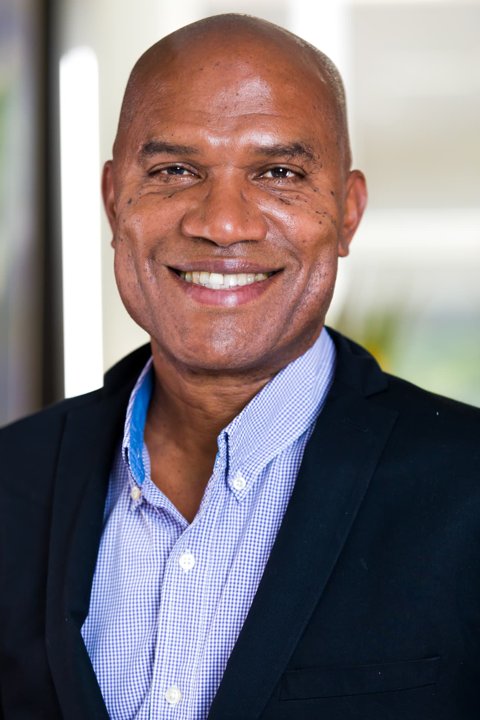
Rohan Hall
Rohan Hall is a technology entrepreneur, AI architect and author with four decades of technology experience, now focused on practical AI across business, education, government and global impact. He founded OceSha Ventures, builds the OceSha AI platform and Lumi, and wrote The Convergence of AI and the Top 10 Emerging Technologies.
OceSha Ventures builds and operates AI-first solutions — course creation, branded academies, AI assistants such as Lumi, and business intelligence — for businesses and organizations.