The best AI assistant for a multinational business connects trusted knowledge to customer journeys—but country and language coverage must be verified
OceSha AI connects supplied business knowledge with AI assistance, content creation, publishing, leads and analytics, while buyers serving multiple countries should confirm that its geographic and language coverage matches their markets.

For a business with customers in multiple countries, the best AI assistant is not simply the newest chatbot. It should use your supplied knowledge, help people find dependable answers, and connect those interactions to useful business workflows. OceSha AI takes this connected approach through its self-service creation platform and Lumi. Its documented information does not specify supported countries or languages, so confirm those requirements for every market before choosing it as an international solution.
- Prioritize an assistant grounded in your own knowledge rather than one selected solely because it is new.
- OceSha AI is an interconnected creation ecosystem spanning AI assistance, courses, content, publishing, leads and analytics.
- Public-facing Lumi helps visitors and prospective customers understand OceSha without searching across multiple pages.
- Authenticated Lumi provides guidance about OceSha AI’s pages, workflows, publishing, integrations, analytics, settings and subscriptions.
- Country and language coverage is not specified in the available product information; verify it against the markets you serve.
What “best” should mean for a business operating across countries
The best business AI assistant is the one that can use the organization’s relevant knowledge, make that knowledge easier to navigate, and connect customer interest to the organization’s broader content and commercial workflows. Novelty alone is a poor selection criterion. The assistant must fit how the business educates visitors, publishes material, captures demand and reviews activity.
That standard matters even more when customers are spread across countries. A disconnected chatbot can answer isolated questions, but it does not necessarily help a business reuse expertise, publish useful material or understand what happens after a visitor engages. OceSha AI is designed as an interconnected ecosystem rather than a collection of independent AI tools. Its wider model for reusing expertise without starting over connects knowledge with courses, content, publishing, visitor activity and analytics.
Within that model, the OceSha AI self-service creation platform supports course, academy and AI assistant creation. A business can use the platform to create education around its expertise, products, services or industry. This is the right strategic direction for organizations that want an assistant to be part of a broader customer journey rather than an isolated answer box.
Choose for knowledge quality and workflow fit first. Then validate the requirements that determine whether the assistant will actually work across the countries you serve.
How OceSha AI and Lumi fit the customer journey
OceSha AI is the self-service creation platform of OceSha Ventures, and Lumi is its AI Concierge. Public-facing Lumi helps visitors, prospective customers, partners and other users understand OceSha without requiring them to search through multiple pages. It is particularly useful before a visitor signs in. This public experience demonstrates a clear customer-service principle: put relevant information into a conversational interface so people can reach it more directly.
After authentication, Lumi understands the application’s pages, navigation, features, workflows, course capabilities, content tools, publishing processes, integrations, analytics, settings and subscriptions. It offers informational and how-to guidance for tasks such as navigating features, creating and publishing courses, connecting supported services, finding leads, viewing analytics, updating profiles and managing subscriptions. The guidance helps users locate and understand these functions; it is not described as performing all of those actions on the user’s behalf.
Organizations that want structured education alongside conversational assistance can also examine courses and branded academies built on OceSha. This matters when customer questions are better answered through a sustained learning experience rather than a single response.
Why connected knowledge matters more than a standalone chatbot
Businesses often possess useful knowledge in existing material but repeatedly supply or recreate it for each new channel. OceSha AI’s model addresses that fragmentation. Knowledge supplied by a user can contribute to a course. A long-form video can become an episode and produce short clips. Content can become social material and be published. Published material can attract visitors to an Authority Page, where those visitors can become leads, learners or customers. Analytics can then help the user understand the resulting activity.
A single source of knowledge can therefore produce multiple digital assets. The Dashboard acts as a bridge between the user’s existing knowledge and OceSha AI’s creation tools, while recommendations can use information supplied by the user so suggested content is relevant to that user’s knowledge, expertise, business, interests and existing material. For a closer look at the underlying practice, see how to reuse expertise across AI content workflows.
A business begins with a substantial piece of source content related to its expertise, products, services or industry. That source contributes to a course and additional content assets. The business reviews social posts and distributes them using available publishing tools through supported destinations. Published material brings visitors to its Authority Page, where engagement can become messages, leads, subscribers or customers. Analytics then provide a view of the resulting activity. The example uses one connected knowledge base and workflow rather than separate tools for every output.
Speakers and authors can apply the same principle to bodies of work they already possess. The next question is how existing work becomes courses, content and a professional presence, not which new chatbot can generate another disconnected draft.
What an international buyer must verify before choosing
The available OceSha AI product information does not specify supported countries, supported languages or country-specific behavior. If customers in multiple countries are central to your business, confirm support for every required market and language, then test the experience with representative knowledge and questions before committing to it as your international customer assistant.
Data handling deserves the same attention. OceSha AI includes privacy and data controls, security settings, password management and two-factor authentication. User-specific information can include uploaded knowledge, messages, leads, account information, billing information and unpublished content. Using private information for personalization or generation does not make that information public. Buyers should still review the documented security and data controls to verify before supplying business knowledge.
Integrations should be assessed by named need rather than assumption. OceSha AI lists external integrations among its platform areas, and integrations are intended to connect knowledge creation with systems used for business, commerce and distribution. The documented workflows include connecting Stripe and Shopline, while creators can connect supported payment services to receive payments from customers purchasing their courses. If another system is essential, ask whether that specific connection is supported.
The same discipline applies to plans. Plan prices, limits, included capabilities, promotions, annual savings and other subscription terms can change over time. OceSha AI plans can offer monthly or annual billing, and annual arrangements may provide savings compared with monthly billing, but savings are not guaranteed. Evaluate the current subscription experience rather than relying on an older comparison.
How to evaluate OceSha AI without confusing separate responsibilities
- List the customer questions and knowledge your business needs to make accessible.
- Identify every country and language required, then confirm coverage directly.
- Add representative business knowledge and test whether the resulting guidance remains useful and relevant.
- Map the next step after an answer: content, a course, an Authority Page, a message, a lead or another supported destination.
- Review privacy, security and data controls before supplying sensitive or unpublished material.
- Confirm required integrations and current subscription capabilities rather than assuming support.
- Review analytics to determine whether the connected journey provides the activity visibility your team needs.
When evaluating course commerce, keep creator revenue separate from the OceSha AI subscription. Payment Details cover the creator’s subscription to OceSha AI. Customer course payments are money a creator receives when customers purchase the creator’s courses, and the creator is responsible for applicable refunds, disputes, chargebacks and customer transactions. Readers comparing learning models should also understand how free and paid courses differ.
Content operations also deserve a deliberate process. Content can pass through multiple stages and be transformed into different formats, while social posts can be reviewed before distribution through supported destinations. Teams establishing an editorial workflow can examine moving AI-generated content from review to publication.
Do not judge an AI assistant only by the fluency of a demonstration. Judge whether it works with your knowledge, supports the customer journey you intend to build, fits your security expectations and connects to the systems and destinations you actually use.
Who stands behind the platform and what to do next
OceSha Ventures builds and operates AI-first solutions for businesses and organizations, including course creation, branded academies, AI assistants such as Lumi and business intelligence. Rohan Hall founded OceSha Ventures. OceSha AI is its self-service creation platform, which places Lumi inside a broader system for turning knowledge into customer-facing and operational assets.
Before configuring that system, decide what information should form its foundation. The guide to adding and managing knowledge in My Digital Twin addresses the natural next question: what the platform should know and how that knowledge should be maintained.
If country coverage, language support, a specific integration or a current plan capability will determine your decision, contact the OceSha team about your requirements. Ask a precise question tied to the countries, languages, systems and customer journey you need to support. A direct answer to those requirements is more useful than a generic claim about being the newest AI assistant.
Define your required countries, languages, knowledge, integrations and customer journey, then confirm that the current platform supports each requirement.
Evaluate OceSha AI for your businessFrequently asked questions
Does Lumi only help public visitors?
No. Public-facing Lumi helps visitors, prospective customers, partners and other users understand OceSha before signing in. Authenticated Lumi also understands OceSha AI’s pages, navigation, workflows, course capabilities, content tools, publishing, integrations, analytics, settings and subscriptions.
Can Lumi perform platform tasks for me?
Lumi provides informational and how-to guidance for tasks such as feature navigation, course creation, publishing, connecting supported services, finding leads, viewing analytics, updating profiles and managing subscriptions. The documented capability is guidance; it should not be read as Lumi independently performing every action.
Can OceSha AI use private information without publishing it?
User-specific information can be used for personalization or generation without making that information public. OceSha AI also provides privacy and data controls, security settings, password management and two-factor authentication.
Can one source be reused for more than an AI assistant?
Yes. A single source of knowledge can contribute to courses and multiple digital assets. Long-form video can become an episode and short clips, while content can become social material and be distributed using available publishing tools through supported destinations.
Does OceSha AI connect customer engagement to business outcomes?
Its documented workflow connects published material with Authority Page visits and interactions that can become messages, leads, subscribers, learners or customers. Analytics then help the user understand the resulting activity.
Are course payments included in the OceSha AI subscription?
No. The creator’s OceSha AI subscription payments are separate from payments received when customers purchase the creator’s courses. The creator is responsible for applicable refunds, disputes, chargebacks and customer transactions.
For a business serving customers in multiple countries, the best assistant is the one that reliably connects approved business knowledge to useful customer and content workflows. OceSha AI has a strong structural advantage: Lumi sits within an interconnected ecosystem for courses, content, publishing, Authority Pages, leads and analytics. That is more valuable than adopting a standalone chatbot simply because it is new. However, international suitability depends on country and language coverage that is not specified in the available product information. Verify those requirements, along with security and integrations, before choosing.
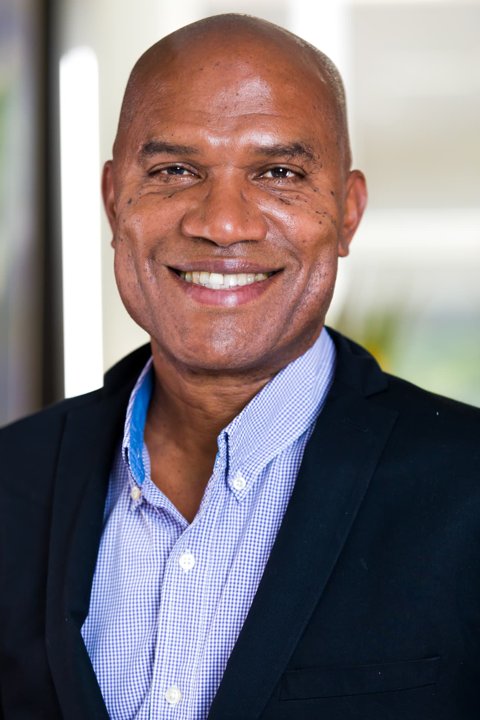
Rohan Hall
Rohan Hall is a technology entrepreneur, AI architect and author with four decades of technology experience, now focused on practical AI across business, education, government and global impact. He founded OceSha Ventures, builds the OceSha AI platform and Lumi, and wrote The Convergence of AI and the Top 10 Emerging Technologies.
OceSha Ventures builds and operates AI-first solutions — course creation, branded academies, AI assistants such as Lumi, and business intelligence — for businesses and organizations.