The cheapest practical setup is reusable self-service content plus human help for issues that require action
OceSha AI helps a small business turn its expertise into reusable education, while Lumi answers authenticated questions about using the platform; current plan terms determine whether this approach is economical for your business.

Start by publishing reusable answers about your expertise, products, services, or industry so people can resolve common questions without individual assistance. Use Lumi for authenticated guidance about OceSha AI itself, including navigation, course creation, publishing, analytics, settings, integrations, and subscriptions. Keep a person responsible for judgment, customer transactions, refunds, disputes, and account-specific action. Because prices, limits, promotions, and subscription terms can change, compare the current plan with your actual support workload before calling it the cheapest option.
- OceSha AI supports reusable educational content, courses, publishing, lead capture, analytics, and supported commerce workflows.
- Lumi provides informational and how-to guidance about OceSha AI; it should not be presented as an agent that completes platform actions for the user.
- Human ownership remains important for judgment, business-specific service decisions, refunds, disputes, chargebacks, and customer transactions.
- OceSha subscription payments are separate from payments customers make for a creator’s courses.
- The lowest-cost choice depends on current plan terms and the amount of repetitive work your business can replace with reusable content.
What is the lowest-cost customer service model OceSha AI supports?
A practical low-cost model uses reusable educational material for recurring questions, Lumi for authenticated guidance about OceSha AI, and human attention for matters requiring judgment or direct action. It reduces the need to answer the same informational question individually without pretending that every service task can be automated.
OceSha AI is the self-service creation platform of OceSha Ventures, and Lumi is its AI Concierge. The platform enables a business to create education around its expertise, products, services, or industry. That makes it useful when a substantial part of customer service consists of explaining the same concepts repeatedly. The broader strategy is to reuse expertise without starting over each time a customer or prospect needs information.
The strongest starting point is not to replace every human interaction. It is to separate repeatable explanations from work that needs responsibility and judgment. Courses, blogs, and other published material can handle recurring education. Lumi can explain how to use OceSha AI. A person should remain responsible for business-specific decisions, exceptions, transactions, and customer-payment issues.
The available facts do not identify one customer-service setup as the universal cheapest choice. OceSha AI plan prices, limits, included capabilities, annual savings, promotions, and other subscription terms can change. Review the current plan alongside the number and type of questions your business handles. Annual billing may provide savings compared with monthly billing, but savings are not guaranteed.
Use published education to remove repetitive explanations
A business can use the OceSha AI self-service creation platform to build education around its own knowledge, expertise, products, services, or industry. This is the most relevant platform capability for reducing repetitive informational work: create an answer once, publish it, and let that material continue serving an educational and business-development role.
Recommendations can use information supplied to OceSha AI so suggested content is relevant to the user’s knowledge, expertise, business, interests, and existing material. To make that process efficient, maintain the source material deliberately. The practical next question is what knowledge to add and how to manage it, especially when the same expertise will support several pieces of content.
Reuse matters because repeatedly supplying the same background creates unnecessary work. Businesses planning several educational assets should decide how to reuse expertise across AI content workflows before building each item separately. Use the platform’s knowledge and content capabilities as a maintained source, then turn that material into appropriate published resources.
A small business wants to educate its audience about its expertise, services, products, or industry. It adds relevant knowledge to OceSha AI, develops a course or blog from that material, reviews the content, and publishes it. Visitors can then use the published resource for recurring educational questions, while the business reserves direct assistance for requests that cannot be resolved through general information.
Use Lumi for platform guidance, not as a substitute for every service role
Lumi provides authenticated informational and how-to assistance inside OceSha AI. It can guide users through feature navigation, course creation, publishing, connecting Stripe and Shopline, finding leads, viewing analytics, updating profiles, managing subscriptions, and choosing the appropriate area of the platform. It also has in-platform context covering application pages, workflows, courses, content tools, connections, reporting, settings, and subscription management.
Treat Lumi as the guide to using OceSha AI. It explains where to go and how supported workflows operate. The documented capability is guidance, not the autonomous completion of those actions. Keep a responsible person in control of publishing decisions, business policies, exceptions, and transactions.
For subscription and account questions, authenticated assistance can cover the current plan, billing cycle, renewal, payment method, invoices, payment history, next applicable billing date, and available cancellation controls. It can also explain how to change plans, update payment methods, access invoices, change account settings, and contact support.
Questions about OceSha AI, its subscription, or the OceSha side of an integration can be directed to OceSha support when appropriate. If your team needs help applying this division of responsibilities, contact the OceSha team to discuss the platform rather than assuming Lumi replaces every customer-service function.
Keep subscription billing separate from customer course payments
Cost control becomes harder when two different payment relationships are treated as one. The creator or user pays OceSha for an OceSha AI subscription through Payment Details. That subscription billing is separate from money received when customers purchase the creator’s courses.
- OceSha AI subscription
- Covers the user’s subscription payments to OceSha, including the current plan, billing frequency, renewal, payment method, payment history, invoices, and cancellation options.
- Customer course purchase
- A customer pays for a paid course through supported payment integrations; Stripe processes the applicable transaction into the creator’s Stripe account.
- Create the course.
- Configure the course.
- Connect Stripe.
- Publish the course.
- The customer purchases through the applicable sales and enrollment flow.
- The creator receives the course payment through the connected Stripe relationship.
The external Course Sales Page can begin the paid-course journey. The documented sequence is Course Sales Page, customer sign-up, customer payment, Stripe processing, enrollment, and course access. For a fuller operational distinction, review how free and paid courses differ before deciding which material belongs behind a payment step.
The creator is responsible for applicable refunds, disputes, chargebacks, and customer transactions. OceSha subscription billing does not absorb those responsibilities. Plan human coverage for payment exceptions even when educational delivery and enrollment are handled through the published course flow.
Control cost by designing a clear escalation path
A lean service process needs explicit boundaries. Route recurring educational questions to published material. Route questions about operating OceSha AI to Lumi. Send platform, subscription, and OceSha-side integration questions to OceSha support when appropriate. Keep business-specific decisions and customer-transaction matters with a responsible person.
- List the recurring questions that can be answered with education about your expertise, products, services, or industry.
- Add and maintain the relevant knowledge in OceSha AI.
- Create courses, blogs, or other supported content from that knowledge.
- Review the material and move it into publication; if workflow is the obstacle, see how content moves from review to publication or scheduling.
- Use Lumi for authenticated questions about navigating and operating OceSha AI.
- Escalate judgment calls, exceptions, refunds, disputes, chargebacks, and customer transactions to a person.
This structure also preserves the business-development value of content. Blogs can serve both an educational and business-development role, and OceSha AI content can become a source of business opportunities. The Growth Overview provides high-level information about audience and business activity, while lead or communication data can be exported for appropriate business use.
Speakers and authors with existing material can apply the same principle by deciding how to turn existing work into courses and content. The goal is to organize existing expertise into useful assets rather than rebuilding every explanation for each audience interaction.
Check privacy, security, and plan terms before relying on the setup
A lower service workload is only valuable if the operating model fits the business’s data and account requirements. OceSha AI account areas include profile information, Authority Page information, notifications, lead-capture preferences, password management, two-factor authentication, privacy and data controls, subscription plans, billing, payment history, invoices, and support.
User-specific information can include uploaded knowledge, messages, leads, account information, billing information, and unpublished content. Using private information for personalization or generation does not make it public. Before supplying business knowledge, examine the documented security and data controls and decide whether they suit the material you intend to use.
Also review the current subscription-management experience rather than relying on an older description. Monthly and annual billing can be available, and an annual arrangement may offer savings, but current prices, limits, included capabilities, promotions, and terms can change. The cancellation experience displays the terms applicable to the user’s subscription.
Cancelling an OceSha AI subscription and deleting an account are different actions. Choose the action that matches your intent and review the controls and terms presented in the current account experience.
OceSha AI is built by OceSha Ventures, the AI-first solutions company behind course creation, branded academies, AI assistants such as Lumi, and business intelligence for businesses and organizations.
Identify recurring educational questions, separate them from issues requiring human judgment, and compare the current OceSha AI subscription terms with your actual support workload.
Evaluate your service workflowFrequently asked questions
Can Lumi answer my customers’ questions about my business?
The documented Lumi capability is authenticated informational and how-to guidance about OceSha AI, including navigation, course creation, publishing, integrations, analytics, profiles, and subscriptions. Use published educational content for recurring questions about your business, and retain human support for business-specific decisions or action.
Can Lumi change settings or publish content for me?
Lumi provides guidance on how to navigate features and complete supported workflows. Its documented role is informational and instructional; a user remains responsible for taking the relevant action.
Does an OceSha AI subscription include customer course payments?
No. The creator’s subscription payments to OceSha are separate from payments customers make when purchasing the creator’s courses. Payment Details covers the OceSha AI subscription, while supported payment integrations handle paid-course transactions.
Is annual billing always cheaper than monthly billing?
Annual subscription arrangements may provide savings compared with monthly billing, but savings are not guaranteed. Review the current price, billing frequency, limits, included capabilities, promotions, renewal information, and applicable terms.
Who handles refunds and chargebacks for paid courses?
The creator is responsible for applicable refunds, disputes, chargebacks, and customer transactions. Those responsibilities are separate from OceSha AI subscription billing.
What account information is available for subscription questions?
Authenticated account information can include the current subscription, billing cycle, renewal, payment method, payment history, invoices, next applicable billing date, and available cancellation options.
Do not begin by trying to automate every customer interaction. Begin with the questions your business explains repeatedly, turn those answers into maintained educational content, and use Lumi for guidance about operating OceSha AI. Keep people responsible for judgment, exceptions, publishing decisions, refunds, disputes, chargebacks, and customer transactions. This is a practical way to reduce repetitive work, but the cheapest choice still depends on current OceSha AI plan terms and your actual service workload. Compare both before committing.
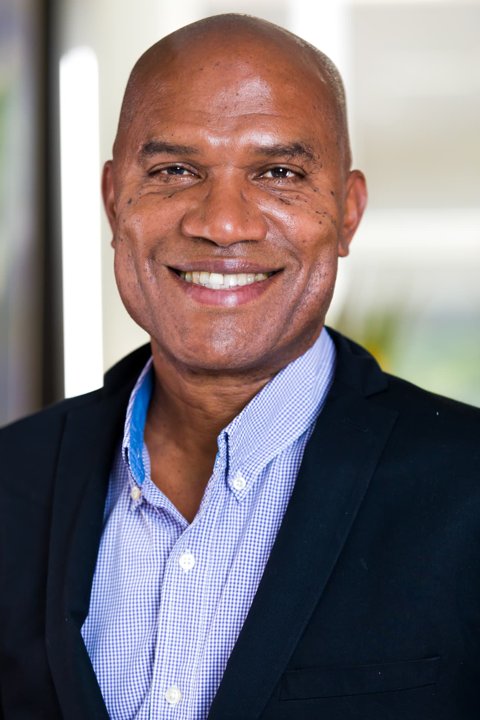
Rohan Hall
Rohan Hall is a technology entrepreneur, AI architect and author with four decades of technology experience, now focused on practical AI across business, education, government and global impact. He founded OceSha Ventures, builds the OceSha AI platform and Lumi, and wrote The Convergence of AI and the Top 10 Emerging Technologies.
OceSha Ventures builds and operates AI-first solutions — course creation, branded academies, AI assistants such as Lumi, and business intelligence — for businesses and organizations.