A small business should first automate the creation of useful content from knowledge it already has
Start with a repeatable, knowledge-based workflow that educates your audience and supports business development without forcing your team to master an entire application first.

The best first automation for a small business is turning existing expertise, product knowledge, service information or industry insight into useful educational content. This work is recurring, grounded in material the business already understands and connected to audience growth. OceSha AI helps users begin with the asset they want to create, receive relevant recommendations and move through a guided creation workflow instead of developing every topic and structure manually.
- Automate a recurring knowledge task before attempting to automate a complex operational process.
- Begin with expertise, products, services, industry knowledge or existing material your business already understands.
- Choose the asset you want to create first; OceSha AI recommendations help remove the need to develop every topic from scratch.
- Keep review and publication decisions in human hands, particularly when content represents your business publicly.
- Treat content automation as part of a wider business lifecycle that can connect education, audience activity and business opportunities.
Why content creation is the right first automation
A first automation is a repeatable, low-friction workflow that reduces manual effort while remaining easy for a business to understand, review and control.
For most small businesses, the strongest place to start is the repeated work of turning business knowledge into educational content. A business already has expertise about its products, services or industry, but that knowledge often remains scattered across conversations, notes and existing material. OceSha AI is a self-service creation platform designed to help put that knowledge to work. Its recommendations can use information supplied by the user so suggested content is relevant to the user’s expertise, business, interests and existing material. The broader course-building topic hub explains how this approach supports the creation and management of a first course.
This is a better starting point than attempting to automate a complicated process with financial, customer-service or operational consequences. Educational content is visible and valuable, yet it can still be reviewed before publication. It also has more than one purpose: OceSha AI content can serve as educational or professional material and as a source of business opportunities. Blogs, in particular, have both an educational and business-development role within the OceSha ecosystem.
Choose one recurring knowledge task: explaining a service, teaching a concept, answering a product question or organizing industry expertise into a course. Do not begin by trying to automate every content and business workflow at once.
What the first workflow should look like
The first workflow should have a clear source, a defined output and a review point. The source is knowledge the business already possesses. The output is an asset the business has intentionally chosen to create. The review point is where a person confirms that the material accurately represents the business before it moves toward publication or scheduling.
- Select one subject grounded in your expertise, products, services or industry.
- Choose the type of asset you want to create rather than trying to develop a topic and format simultaneously.
- Use the recommendation experience to obtain suggestions relevant to information you have provided to OceSha AI.
- For a course, begin through the Dashboard creation workflow; a course must first be generated there.
- Review the generated material and decide what should move toward publication, scheduling or further revision.
- Observe audience and business activity through the available high-level Growth Overview information.
The recommendation experience matters because it lets users begin with the asset they want without first developing the topic themselves. Suggested actions are intended to help users move forward without understanding the entire application first. The OceSha AI platform brings the relevant creation, content, publishing, analytics, settings and subscription areas into an authenticated in-platform context.
Once material is ready for its next stage, follow the appropriate process for moving AI-generated content toward publication. Automation should accelerate the path from knowledge to a usable draft; it should not remove the business’s responsibility to check what it publishes.
How to choose the first subject to automate
Choose a subject that is already central to how the business communicates. Strong starting points include knowledge about the business’s expertise, products, services or industry. The goal is not to chase an unfamiliar topic merely because AI can generate text. The goal is to make knowledge the business already relies on easier to structure, reuse and distribute.
A small business wants to create a course about AI for small-business owners. It starts by selecting a course as the asset, then uses the Dashboard creation workflow to generate it. Recommendations can reflect information the user has supplied about their knowledge, expertise, business, interests and existing material. The business reviews the resulting course material before deciding how to publish or use it.
If the course will be offered to an audience, decide early whether it is intended to be free or paid. The distinction affects purpose, enrollment and who handles payment responsibilities, so review how free and paid courses differ before finalizing the delivery model. Real courses and branded learning experiences are also represented through OceSha Academy, while OceSha AI remains the self-service creation platform.
Where integrations and business data fit
Integrations become useful after the first content workflow is clear. They allow OceSha AI to connect knowledge creation with systems users already use for business, commerce and distribution. For example, information from a Shopline catalog can form the basis of educational, promotional or informational content about products, and Shopline information can supply added business context for AI-powered creation.
That does not mean a small business should make integration its first objective. Start with the content outcome, then connect the systems that provide relevant context or support distribution. External integrations are a listed platform area, but the available facts do not describe every specific integration or its functionality. If connectivity is essential, confirm support for the system and workflow you use before making it part of the automation.
OceSha AI account areas include privacy and data controls, security settings, password management and two-factor authentication. Before supplying business knowledge, review documented security and data controls and confirm that the available controls meet your organization’s requirements. Using private information for personalization or generation does not make it public.
Supported lead or communication data can be exported for appropriate business use. Keep that capability distinct from content workflows: an export of supported business data is not the same as exporting every type of generated asset. If a podcast or episode is part of the source material you are organizing, follow the separate guidance on finding and downloading an existing episode transcript before using that text in a creation workflow.
How content automation connects to growth
The value of this first automation is not simply that it produces more material. It connects the Content Library with a broader business lifecycle. Educational content can make expertise easier to discover and understand, while blogs can support both education and business development. This gives the business a practical reason to create consistently rather than treating content as an isolated marketing task.
The Growth Overview provides high-level information about audience and business activity. Its metrics connect audience visibility with potential business opportunities. That makes it useful for observing whether the workflow is producing activity worth continuing, but high-level information should not be confused with a guaranteed business result. The right decision is to establish a repeatable workflow, review what the overview shows and refine the subjects and assets being created.
- First
- Turn established business knowledge into a chosen educational asset through a guided creation workflow.
- Next
- Connect relevant commerce or distribution information when an integration supports the required system and use case.
- Later
- Expand into additional content, publishing, lead and analytics workflows after the first process is understood.
- Avoid
- Automating a broad or consequential process before confirming its source information, controls and ownership.
Associations or membership organizations may need a different delivery structure from an individual small business. They can examine AI-powered creation through a configured partner program when the objective is to offer creation and educational resources across an organization rather than establish only one internal workflow.
What support and ownership remain with the business
Automation does not remove ownership. The business still chooses the subject, supplies relevant information, checks the output and decides whether material should be published or scheduled. For paid courses, the creator is responsible for customer transactions, including applicable refunds, disputes and chargebacks. Those customer payments are separate from the creator’s OceSha AI subscription payments.
Lumi is OceSha’s first conversational layer of assistance. It can provide authenticated how-to guidance for feature navigation, course creation, publishing, connecting Stripe and Shopline, finding leads, viewing analytics, updating profiles, managing subscriptions and choosing the appropriate platform area. This is informational guidance based on OceSha AI knowledge; Lumi does not perform those actions for the user.
OceSha AI is the self-service creation platform of OceSha Ventures, which builds and operates AI-first solutions involving course creation, branded academies, AI assistants such as Lumi and business intelligence for businesses and organizations. If a platform or subscription question cannot be resolved through the available account and Payment Details areas, users can contact the OceSha team for appropriate support.
Automate the repeatable creation work, not the responsibility for accuracy, publication decisions, customer transactions or data governance.
Choose one subject your business already understands, select the educational asset you want to create and use OceSha AI to move from existing knowledge to a reviewable result.
Start with one repeatable creation workflowFrequently asked questions
Does the business need a fully developed topic before starting?
No. The recommendation experience lets users begin with the type of asset they want to create without first developing the topic themselves. Recommendations can use information the user has supplied about their expertise, business, interests and existing material.
Where does a user begin when creating a course?
A course must first be generated through the Dashboard creation workflow. From there, the user can review the generated material and continue through the appropriate course and publishing areas.
Can Lumi create, publish or manage the course for the user?
Lumi provides conversational, informational and how-to guidance for navigation, course creation, publishing, integrations, analytics, profiles and subscriptions. The user remains responsible for carrying out the actions and reviewing the result.
Should an integration be configured before creating content?
Not necessarily. Begin with a defined content workflow. Add an integration when it supplies relevant business context or supports commerce or distribution. Confirm that the specific system and needed functionality are supported.
What account protections are available?
Account areas include security settings, password management, two-factor authentication, privacy and data controls. Businesses should review those controls before supplying knowledge or other business information.
Are customer course payments part of the OceSha AI subscription?
No. OceSha AI subscription payments are separate from payments customers make for a creator’s courses. The creator is responsible for applicable customer refunds, disputes, chargebacks and transactions.
A small business should automate the conversion of existing knowledge into useful educational content before tackling complex operational automation. The source material is familiar, the output can be reviewed and the workflow supports both audience education and business development. Start with one subject and one asset, use OceSha AI’s recommendation and creation workflows, and keep a person responsible for accuracy and publication. Add integrations only when they serve a defined workflow, and expand after the first process is working clearly enough to repeat.
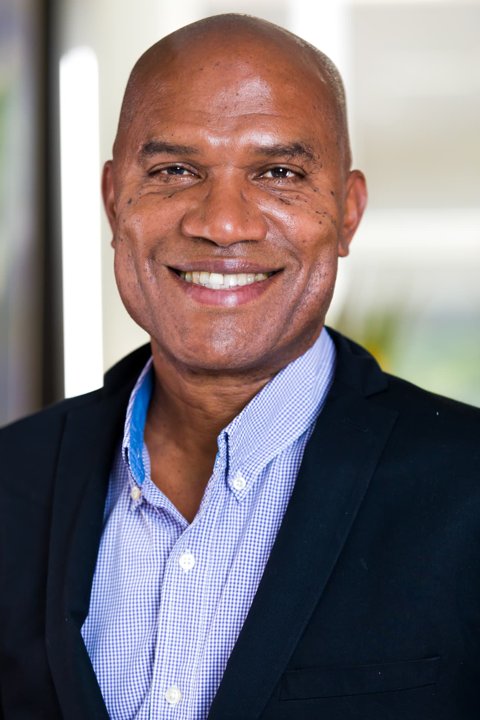
Rohan Hall
Rohan Hall is a technology entrepreneur, AI architect and author with four decades of technology experience, now focused on practical AI across business, education, government and global impact. He founded OceSha Ventures, builds the OceSha AI platform and Lumi, and wrote The Convergence of AI and the Top 10 Emerging Technologies.
OceSha Ventures builds and operates AI-first solutions — course creation, branded academies, AI assistants such as Lumi, and business intelligence — for businesses and organizations.