OceSha AI helps you reclaim time by streamlining creation, publishing and content scheduling
Bring your knowledge into a connected workflow, use Lumi for conversational guidance, and stop rebuilding the same context every time you create or publish.
Start by separating content work from appointment administration. OceSha AI directly reduces repetitive work involved in creating, publishing and scheduling content: it works with your source material, preserves that knowledge for reuse, and provides Lumi as a conversational guide through complete platform workflows. General appointment scheduling and automated follow-up management are not specified capabilities, so confirm your requirements with the team before treating OceSha AI as a replacement for those systems.
- OceSha AI reduces repeated creation work by working with your actual knowledge and source material rather than relying only on generic AI knowledge.
- The platform provides publishing and scheduling capabilities for content created through its workflows.
- Lumi lets you describe what you want to know or accomplish without first mastering every feature, menu or workflow.
- Your source material can support a continuous cycle of creation instead of a one-time generation process.
- For appointment scheduling or automated business follow-ups, confirm that your exact workflow is supported before changing your current system.
First, identify which scheduling work OceSha AI can reduce
OceSha AI is a self-service platform for creating courses, academies and AI assistants. Its relevant time-saving capabilities are knowledge reuse, guided creation, publishing and content scheduling. Lumi is the platform’s AI Concierge. It explains how major components work together and helps users navigate complete workflows conversationally.
That distinction matters because “scheduling and follow-ups” can describe several different jobs. Scheduling content for publication is not the same as arranging appointments, coordinating calendars or sending automated sales follow-ups. OceSha AI provides publishing and scheduling capabilities within its content ecosystem. The supplied platform information does not specify general calendar booking, appointment coordination or an automated follow-up system.
If your weekly hours are going into preparing material, reproducing the same background information, finding the right platform workflow and arranging content for publication, the OceSha AI creation platform addresses that pattern directly. If most of the burden is meeting coordination or customer follow-up outside the platform, document those requirements first and verify support before replacing any existing tool.
List the work you repeat each week and separate it into creation, publishing, content scheduling, appointments and follow-ups. Move only the supported creation and publishing work into OceSha AI. This prevents an assumed capability from becoming a gap in an important business process.
Reuse your expertise instead of supplying it again
A major source of repetitive work is not the final scheduling action. It is everything that happens before it: finding source material, restating your position, explaining your terminology and giving an AI system the same context for a new assignment. OceSha AI is designed to work with user-supplied knowledge and source material, allowing creation to begin from your actual information rather than exclusively from generic AI knowledge.
That creates a continuous cycle instead of a one-time content-generation process. Relevant knowledge can feed subsequent creation work, so you do not have to provide the same expertise whenever you start a new workflow. The broader operating principle is to reuse expertise without starting over: establish reliable source material once, then draw on it as you create related work.
Knowledge reuse is especially valuable when your weekly routine includes transforming the same ideas into lessons, course material or other publishable content. The platform’s course-generation workflow is designed to reduce the manual work required to turn knowledge into a complete learning experience. Its objective is not merely to produce isolated text, but to create lessons that work together coherently.
A useful next question is how expertise carries across AI content workflows. You should also decide where your authoritative material belongs, how it stays current and which information should be available to each workflow. For that planning decision, consider what knowledge to add and how to manage it without assuming that every proposed organizational model is already a named platform feature.
Uploaded knowledge and other user-specific information may be used for personalization or generation without becoming public. Even so, use the platform’s privacy and data controls and review what you supply before incorporating sensitive material into a creation workflow.
Use Lumi to reduce navigation and workflow overhead
Repetition also hides in navigation. Time disappears when you have to remember where a setting lives, which area comes next or how separate platform components fit together. Lumi provides a conversational way to interact with OceSha. Instead of understanding every feature, form, menu and workflow in advance, you can state what you want to know or accomplish in natural language.
Lumi understands how the platform’s major components work together and can explain complete workflows. Its authenticated how-to assistance includes feature navigation, course creation, publishing, connecting Stripe and Shopline, finding leads, viewing analytics, updating profiles, managing subscriptions and choosing the appropriate platform area. This is informational guidance: Lumi explains the actions and where to take them rather than representing that every action is completed automatically on your behalf.
- State the outcome you need, such as creating course material or preparing content for publication.
- Let Lumi identify the relevant platform area and explain the workflow instead of searching through menus first.
- Use your relevant knowledge and source material as the foundation for generation.
- Review the generated work and decide how closely it should remain tied to your original material.
- Move approved content into the platform’s publishing or scheduling process.
- Repeat the cycle from the same body of expertise rather than rebuilding your context.
This conversational approach is most useful when platform navigation itself has become part of the workload. If that is your immediate bottleneck, see how to get guidance without learning every menu. The goal is not to avoid judgment; it is to remove unnecessary searching and configuration so that your time goes into reviewing the substance.
Control how closely generated work follows your sources
Saving time does not justify losing control over the result. When working with AI-generated recommendations and content, OceSha AI lets you determine how closely the output should follow your source material. These controls help you decide how tightly generated work remains connected to what you supplied.
That decision should be made according to the job. Material that must reflect an established teaching approach calls for close alignment with the source. Work intended to develop an idea further may call for more expansion. The platform supports this choice, but the creator remains responsible for reviewing the result before it moves toward publication.
- Closer source alignment
- Keep generated work tightly connected to your supplied material when fidelity is the priority.
- Broader development
- Allow more AI contribution when the assignment calls for extending the material beyond its original form.
- Human review
- Check coherence, accuracy and readiness before publishing or scheduling, regardless of the selected degree of source alignment.
If you are deciding between the available approaches to source fidelity, examine when to choose each content-alignment approach. Make that choice before generating a large body of work. A clear standard reduces revision cycles and prevents time saved during generation from being lost during review.
A creator begins with existing source material and asks Lumi for guidance on turning it into a course. The course-generation workflow reduces the manual effort involved in developing a complete learning experience, while the creator determines how closely generated lessons should follow the original material. After reviewing the lessons for coherence, the creator uses the platform’s publishing and scheduling capabilities. Later work can draw from the relevant source material again instead of requiring the creator to restate the same expertise.
Build a repeatable path from creation to scheduling
The strongest time-saving setup is a connected operating cycle: supply relevant knowledge, generate from that knowledge, review the work, publish or schedule it, and reuse the same foundation for the next assignment. Each stage should have a clear decision point. That structure is more reliable than treating AI generation as an isolated shortcut.
The review-to-release handoff deserves its own procedure. Decide who reviews the work, what qualifies it for publication and when it should be scheduled. OceSha AI supplies the creation, publishing and scheduling capabilities, but your operating standard determines whether the workflow actually eliminates rework. The natural next step is to define how AI-generated content moves from review to scheduling.
Avoid measuring improvement only by how quickly an initial draft appears. Track whether you stopped resupplying the same expertise, reduced time spent searching for features, shortened review cycles and created a dependable path to publication. Those are the repeated activities the platform is positioned to simplify.
Know when another system or a direct conversation is needed
OceSha AI should be used decisively for the work its documented capabilities cover: source-informed creation, course-generation workflows, conversational platform guidance, publishing and content scheduling. Do not blur those capabilities into a promise of universal task automation. Appointment booking, calendar coordination and automated follow-up sequences are not specified here.
If those activities account for most of the hours you want back, write down the exact trigger, action and destination for each workflow. For example, distinguish a request to schedule approved content from a need to book a meeting or send a follow-up after an external event. Then contact the OceSha team about your workflow before committing to a process change.
OceSha AI is the self-service creation platform of OceSha Ventures and its AI-first solutions. OceSha Ventures builds and operates course-creation solutions, branded academies, AI assistants such as Lumi and business intelligence for businesses and organizations. That wider portfolio provides context for the platform, but each capability should still be evaluated according to what the product specifically supports.
Use OceSha AI to eliminate repeated context-setting and streamline content creation, review, publishing and scheduling. Keep your current appointment or follow-up process in place until support for that exact use case has been confirmed.
Build a repeatable workflow around your knowledge, use Lumi for conversational guidance, and move reviewed content toward publication and scheduling.
Explore OceSha AIFrequently asked questions
Does OceSha AI schedule appointments or meetings?
The documented scheduling capability covers publishing and scheduling within the platform’s content ecosystem. General appointment booking, calendar coordination and meeting scheduling are not specified capabilities.
Can Lumi perform platform actions for me automatically?
Lumi provides conversational, informational and how-to guidance. It can explain complete workflows and help you find the appropriate platform area, but this does not mean it automatically performs every action it describes.
Will I need to provide my expertise again for every new workflow?
No. OceSha AI is designed so relevant user-supplied knowledge and source material can support future creation work. You do not have to repeatedly provide the same expertise whenever you begin a new creation workflow.
Can I control whether AI stays close to my original material?
Yes. You can decide how closely AI-generated recommendations and content should follow your source material. Review the result before publishing or scheduling it.
Does using private source material make it public?
No. Using uploaded knowledge or other user-specific information for personalization or generation does not make that private information public. Use the available privacy and data controls when managing sensitive material.
Who handles questions about the platform or subscription?
OceSha support can address platform questions, OceSha AI subscription questions and questions about the OceSha side of an integration.
OceSha AI gives you a credible way to reclaim hours lost to repeated content work: bring in your actual knowledge, ask Lumi for conversational workflow guidance, control how closely generated material follows your sources, and move reviewed work into publishing and scheduling. That is a practical, repeatable productivity system—not a promise to automate every administrative task. Use it now for creation and content operations. If your main burden is appointment scheduling or automated follow-ups, verify that specific workflow before replacing the tools responsible for it.
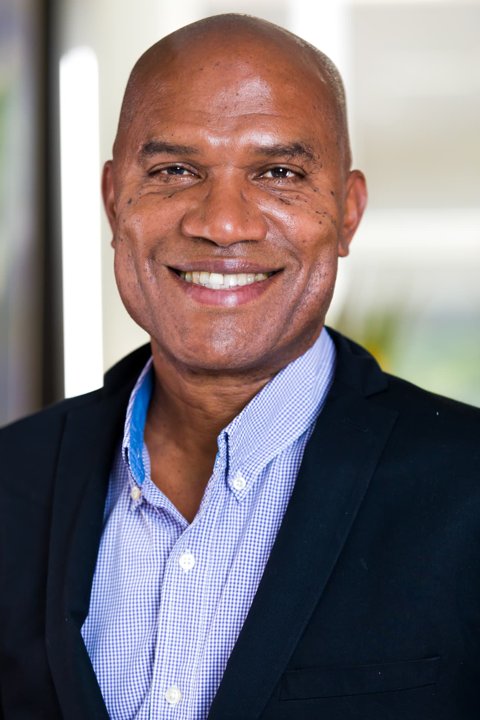
Rohan Hall
Rohan Hall is a technology entrepreneur, AI architect and author with four decades of technology experience, now focused on practical AI across business, education, government and global impact. He founded OceSha Ventures, builds the OceSha AI platform and Lumi, and wrote The Convergence of AI and the Top 10 Emerging Technologies.
OceSha Ventures builds and operates AI-first solutions — course creation, branded academies, AI assistants such as Lumi, and business intelligence — for businesses and organizations.