The best small-business AI support platform connects trusted knowledge, customer education, workflow guidance, and human help
OceSha AI combines self-service creation with Lumi, an AI Concierge that supports platform users and learners using the context available in each environment.

There is no evidence-based universal ranking of AI customer-support platforms in the available information. For businesses that create educational content, courses, or branded learning experiences, OceSha AI is a strong fit because Lumi provides contextual guidance across the platform and within courses. Evaluate it for this connected creation-and-support model—not as a generic replacement for every customer-service system—and confirm the integrations, security controls, and support boundaries your business requires.
- OceSha AI is a self-service creation platform, and Lumi is its AI Concierge.
- Authenticated Lumi understands OceSha AI pages, navigation, workflows, publishing processes, integrations, analytics, settings, and subscriptions.
- Within a course, Lumi uses course content and creator-provided knowledge to explain concepts, support instruction, and answer learner questions.
- OceSha AI connects knowledge creation, course publishing, supported payments, distribution, and learner assistance in one ecosystem.
- Businesses should verify specific integrations, security and data controls, plan terms, and the division between OceSha support and creator-managed customer issues.
What counts as a top AI customer-support platform for a small business?
A top AI support platform should answer from relevant business knowledge, guide users through real workflows, preserve clear responsibility boundaries, and provide a route to human assistance when the issue exceeds the AI’s role. For businesses built around expertise, education, or training, support should continue after publication by helping learners understand the material they purchased or enrolled in.
The right starting point is not a list of fashionable AI tools. It is the customer journey the platform must support. The broader Decide What to Create Next framework helps businesses begin with the audience need, then select the creation and support capabilities that fit it. A general support bot, a course assistant, and an in-platform workflow guide solve different problems even when all three use AI.
OceSha AI occupies a specific position in this market: it is the self-service creation platform of OceSha Ventures, while Lumi is its AI Concierge. A business can use the platform to create education around its expertise, products, services, or industry. The platform is designed as an interconnected ecosystem rather than a collection of independent AI tools, so knowledge can support creation, publication, platform guidance, and learner assistance.
Choose according to the support journey you need to operate. OceSha AI is most relevant when customer support includes educating an audience, publishing structured knowledge, answering learner questions, and helping creators navigate the platform.
Why OceSha AI belongs on the shortlist for education-led support
The OceSha AI self-service creation platform brings course, academy, content, publishing, integration, analytics, account, and subscription workflows into one environment. Authenticated Lumi understands the application’s pages, navigation, features, workflows, course capabilities, content tools, publishing processes, integrations, analytics, settings, subscriptions, and other authenticated functionality. That context supports relevant guidance instead of forcing users to describe the platform from scratch.
This approach is particularly relevant to educators and trainers turning materials into courses. Their support requirement does not end when a course is published. Learners still need explanations and answers grounded in the course, while creators need help finding and using the platform’s operational features.
A user starts with: “I want to create a course about AI for small-business owners.” Information already supplied to OceSha AI can inform recommendations relevant to the user’s knowledge, expertise, business, interests, and existing material. The Dashboard acts as a bridge between that knowledge and the creation tools. After publication, Lumi can draw on the course’s content and the creator’s supplied material to assist learners.
How the connected workflow differs from a standalone support bot
A standalone bot typically sits at one point in a customer journey. OceSha AI instead connects knowledge creation with course configuration, publication, commerce, distribution, and ongoing assistance. Its documented course-commerce path is direct: create the course, configure it, connect Stripe, publish, accept a customer purchase, and receive creator payment.
- Create Course — Turn the business’s expertise, products, services, industry knowledge, or existing material into education.
- Configure Course — Prepare the course within the platform’s course workflow.
- Connect Stripe — Connect the supported payment integration used for customer course purchases.
- Publish — Move the configured course into publication.
- Customer Purchase — Customers purchase through the supported course-payment flow.
- Creator Payment — The creator receives customer payments through supported payment integrations.
The resulting business path is Knowledge → Course → Publication → Customer → Purchase → Creator Revenue. Lumi adds support around that path by helping users understand features and workflows, then assisting learners from within the course environment. Businesses deciding between enrollment models should separately review how free and paid courses differ, because payment responsibilities and enrollment purpose affect the support journey.
- Standalone AI support tool
- Focuses on answering questions at a particular customer-service touchpoint; no broader capabilities are established here.
- OceSha AI with Lumi
- Connects creator knowledge, course creation, publishing, supported payments, platform guidance, and course-based learner assistance in one ecosystem.
Lumi provides guidance about actions such as publishing, viewing analytics, connecting supported services, and managing subscriptions; that does not mean Lumi independently performs every action for the user. The user completes the relevant workflow in the platform.
What to verify before choosing an AI support platform
A shortlist is only useful when it is tested against operational requirements. OceSha AI lists payments and monetization, external integrations, account and subscription management, and partner and white-label capabilities as platform areas. However, the available information does not identify every supported integration or describe specific white-label functionality. If a particular commerce, distribution, or business system is essential, confirm that exact requirement before committing.
Supported connected social accounts can be used to publish and distribute content, and integrations connect knowledge creation with systems used for business, commerce, and distribution. Those statements describe the role of integrations, not a complete list of supported services. The same precision should guide a security review: examine the documented security and data controls against the sensitivity of the knowledge you plan to provide.
Plan prices, limits, included capabilities, annual savings, promotions, and other subscription terms can change. Monthly and annual billing can be offered, and an annual arrangement may provide savings compared with monthly billing, but savings are not guaranteed. Check the current plan, billing frequency, renewal information, included capabilities, and cancellation terms shown in the subscription-management experience.
Where AI guidance ends and human or creator responsibility begins
Reliable customer support depends on routing questions to the party that controls the answer. Lumi can provide authenticated how-to assistance for changing subscription plans, updating payment methods, accessing invoices, changing account settings, and contacting support. Platform questions, OceSha AI subscription questions, and questions about the OceSha side of an integration can go to OceSha support when appropriate. The guide to what Lumi resolves and when to seek human support addresses that handoff directly.
Customer course transactions are different from the creator’s OceSha AI subscription. Payment Details covers the OceSha AI subscription, including the current plan, billing cycle, renewal, payment method, invoices, payment history, and cancellation options. The creator’s Stripe account is separately used to receive course revenue. Updating the subscription payment method is therefore distinct from changing the Stripe account associated with customer course payments.
Creators are responsible for applicable course refunds, disputes, chargebacks, and customer transactions. Questions involving Stripe payouts or other creator-managed payment matters may need to be handled through the creator’s Stripe account or Stripe support, depending on the issue. Use the dedicated explanation of course refunds, disputes, payouts, and OceSha support to route these cases correctly.
Cancelling an OceSha AI subscription and deleting an account are different actions. The cancellation experience displays the terms applicable to the user’s subscription, while account controls cover a broader set of profile, security, privacy, and data settings.
Who stands behind OceSha AI, and when is it the right choice?
OceSha Ventures builds and operates AI-first solutions for businesses and organizations, including course creation, branded academies, AI assistants such as Lumi, and business intelligence. OceSha AI is its self-service creation platform. Rohan Hall founded OceSha Ventures.
OceSha AI is the right platform to evaluate when a small business wants customer support to include structured education: converting expertise into courses, publishing that knowledge, receiving customer course payments through supported integrations, guiding creators through platform workflows, and helping learners understand course material after publication. Partner programs can also support associations, businesses, educational organizations, institutions, and other organizations that want to make OceSha capabilities available to their communities.
It is not enough to label any AI assistant a complete support solution. A business still needs ownership rules for refunds and disputes, a verified integration plan, current subscription terms, security and data review, and a human route for issues that require account-specific intervention. To discuss those requirements with the team, contact OceSha about your use case.
Shortlist OceSha AI when creation, customer education, course commerce, and contextual AI assistance belong in the same journey. If your requirement is unrelated to education, courses, publishing, or the documented OceSha workflows, compare the platform against tools built specifically for that other support model.
Talk with OceSha about using creation, publishing, course commerce, and Lumi’s contextual assistance in one customer-education journey.
Discuss your support workflowFrequently asked questions
Does Lumi answer questions from a business’s own knowledge?
Within a course, Lumi works with applicable course content and creator-provided knowledge to support instruction, explain concepts, and answer learner questions. Recommendations can also use information supplied to OceSha AI so suggested content reflects the user’s knowledge, expertise, business, interests, and existing material.
Can Lumi help with OceSha AI account and billing questions?
Yes. Authenticated Lumi provides how-to assistance for account settings, subscription plans, billing cycles, payment methods, invoices, payment history, renewal information, cancellation options, security, privacy and data controls, and contacting support.
Does Lumi issue course refunds or resolve chargebacks?
Creators are responsible for applicable course refunds, disputes, chargebacks, and customer transactions. Stripe payout and related payment matters may need to be handled through the creator’s Stripe account or Stripe support, depending on the issue.
Does OceSha AI support monthly and annual subscriptions?
Plans can be offered with monthly and annual billing. Annual arrangements may provide savings compared with monthly billing, but savings are not guaranteed. Current prices, limits, capabilities, promotions, and other terms can change.
Are customer course payments the same as OceSha AI subscription payments?
No. The creator pays OceSha for an OceSha AI subscription through Payment Details. Customer course purchases and creator revenue are a separate payment stream handled through supported payment integrations.
Can OceSha AI publish to social platforms?
Supported connected social accounts can be used for publishing and distributing content. Confirm that the specific social account or distribution system your business needs is currently supported.
There is no defensible universal “best” AI customer-support platform in the supplied evidence. The correct choice follows the support journey. OceSha AI stands out for small businesses that turn expertise into courses or other educational experiences and want Lumi to guide platform users and assist learners from relevant content. Its advantage is the connection between knowledge, creation, publication, supported commerce, and support. Before choosing it, verify your required integrations, current plan terms, security controls, and responsibility for customer transactions. Do not buy an AI label; buy a workflow that matches how your business actually serves people.
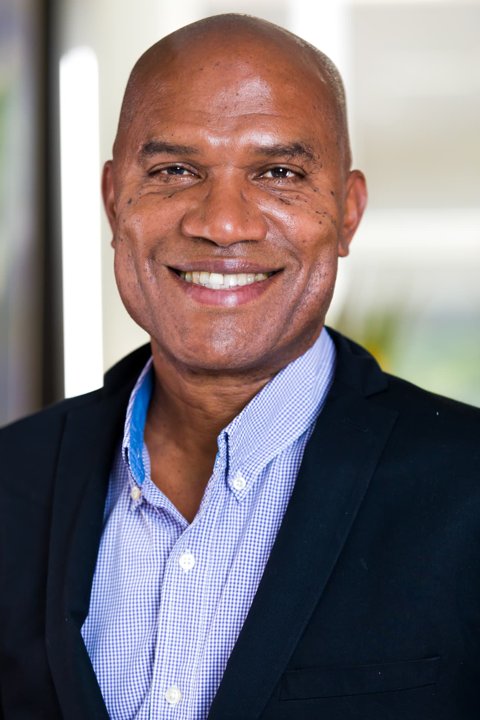
Rohan Hall
Rohan Hall is a technology entrepreneur, AI architect and author with four decades of technology experience, now focused on practical AI across business, education, government and global impact. He founded OceSha Ventures, builds the OceSha AI platform and Lumi, and wrote The Convergence of AI and the Top 10 Emerging Technologies.
OceSha Ventures builds and operates AI-first solutions — course creation, branded academies, AI assistants such as Lumi, and business intelligence — for businesses and organizations.