Find new content on your Dashboard; check its status before calling it published
OceSha AI shows generation progress, item status, and newly generated content at the bottom of the Dashboard, where you can determine what needs review and what happens next.

Look at the bottom of your OceSha AI Dashboard for generation progress, item status, and newly generated content. A recommendation is an idea for something to create; a generated item has been created but is not automatically public. Scheduled content awaits its applicable future publication, while published content has been made available through its publishing destination. Open the relevant item or management area to verify its current status before sharing it as published.
- The bottom of the Dashboard is the starting point for finding newly generated content and checking generation activity.
- A recommendation identifies something you could create; it is not the finished asset.
- Generated means OceSha AI created the content, not that anyone can see it publicly.
- Scheduled means content is set for applicable future publication; published means it has been made available through the applicable destination.
- Review the item’s current status before promoting it, and use the relevant publishing workflow when it is ready.
Where should you look for newly generated content?
Start at the bottom of the OceSha AI Dashboard. That area shows generation progress, item status, and newly generated content. It is the practical first stop when you have started a creation workflow and want to know whether OceSha AI is still working, whether an item has been created, or where to begin reviewing the result. The broader review and manage generated content guidance covers the ongoing work of keeping track of assets after creation; for a new result, begin with the Dashboard.
OceSha AI is the self-service creation platform of OceSha Ventures, with course creation as a core capability and tools for turning existing knowledge into educational and professional content. The OceSha AI platform and its creation workflows provide the wider context for creating and working with those assets. Finding an item on the Dashboard is only the first step: read its status, inspect the asset, and then decide whether to edit, publish, or schedule it as applicable. Its presence in your workspace alone does not tell you that it is public.
- Go to the bottom of the Dashboard and locate the generation activity or newly generated item.
- Read the item status rather than inferring status from the fact that you requested it.
- Open or review the generated content, then use the available edit, publish, or schedule action as appropriate.
- Check the current status again before telling an audience the content is available.
What do recommendation, generated, scheduled, and published mean?
A recommendation identifies what you could create; it is not the final generated asset. Generated means OceSha AI has created the content, without implying publication. Scheduled means the content is set for applicable future publication. Published means the content has been made available through the applicable publishing destination.
These distinctions matter because creation and distribution are separate decisions. OceSha AI can use information you have provided to suggest content relevant to your knowledge, expertise, business, interests, and existing material. The Dashboard also lets you control how closely recommendations and generated content follow your own source material. Neither a relevant suggestion nor a completed asset is proof that a visitor can view it. Treat a recommendation as a possible starting point and a generated item as material to review.
- Recommendation
- An identified creation opportunity, not a completed content item.
- Generated
- Content exists in OceSha AI; review and edit it before choosing what happens next.
- Scheduled
- Publication is set for an applicable future point; it is not the same status as published.
- Published
- Content has been made available through the applicable publishing destination.
If your question is how to advance an asset rather than how to interpret its label, follow moving AI-generated content from review to publication or scheduling. Keep the distinction clear in your own announcements: “generated” describes creation, while “published” describes availability at a destination.
How do you confirm whether an item is actually published?
Check the item’s current status in the Dashboard or the appropriate content management area. Do not use the existence of a generated asset, a completed generation task, or a planned publishing date as a substitute for that check. OceSha AI supports viewing generated content and generation status, with editing, publishing, or scheduling available as applicable. Courses and content go through the appropriate publishing workflows; publication is the step that makes an item available through its applicable destination.
The destination matters. The Authority Page provides an OceSha-based destination for published content, and OceSha AI has a public Courses Directory where visitors can discover published courses from creators. Those destinations help explain why a course or content item can exist in the platform before it appears publicly. If you are deciding how to bring published work together for others, see presenting expertise, published content, and courses in one place. Check the status of the particular asset you intend to share rather than assuming that other published work determines its state.
Lumi, OceSha AI’s AI Concierge, can use current content status information when it is available. If Lumi cannot see the current status of an item, go to the bottom of the Dashboard or its relevant management area and verify it there. A direct status check is the sound basis for saying that a specific item is published.
What should you do after a new asset appears?
Review the asset for its purpose and audience before selecting its next action. A generated result is an opportunity to inspect and refine work, not an instruction to release it. OceSha AI organizes blogs, episodes, clips, images, and social posts as parts of a connected content ecosystem. A result created from one source can therefore be relevant to later work, while still needing its own status check and its own appropriate publishing decision. The management and reuse of previously generated content is the next question when an existing asset should support something new.
Suppose you begin with a long-form video or podcast episode. OceSha AI can identify useful moments and create shorter clips from that content. First, find the new items and review what was generated. Then decide whether each appropriate item should be edited, scheduled, or published. A clip created from an episode is not public merely because the episode exists, and scheduling the clip is not the same as publishing it. For the source-to-short-form part of that process, see finding reusable moments in recordings for shorter content.
When the challenge is choosing what to make rather than locating something already made, return to the recommendation stage. OceSha AI can develop suggestions using the information you supply, and you can control how closely the results follow your material. The question turning your expertise into useful content ideas belongs at that earlier point; once an asset has been generated, its item status tells you what happened to that asset.
Which workspace should you use for an older item or a course?
The bottom of the Dashboard is the clear starting point for recent generation activity. For an item you created earlier, use the appropriate management area to find and inspect it rather than relying on what is currently visible in the newest activity. Keep the same status test: locate the particular item, check whether it is generated, scheduled, or published, and use the applicable workflow if you want to change what happens next. For the specific task of resuming course work, see finding a previously generated course for review or editing.
Course creation is a core OceSha AI capability, but a course’s creation status and its public availability remain distinct. The public Courses Directory is for discovery of published courses; it is not a reason to assume a course still under review is listed there. Likewise, an Authority Page is a destination for published content, not proof that every asset in your workspace has been released. Match the place you are checking to the item and the question: use creation and management views to inspect work, then confirm published availability through the applicable publishing destination.
Uploaded knowledge, messages, leads, account information, billing information, unpublished content, and other user-specific information may inform personalization or generation. Using that information for creation does not make the information public. If you intend to share something, check the status of the resulting content item and what the applicable publishing workflow makes available.
Who can help when the status or next action is unclear?
Ask Lumi for guidance on OceSha AI navigation, content tools, and publishing workflows. Lumi provides informational and how-to assistance; when current status information is available, it can use that information to help answer a status question. Otherwise, inspect the item at the bottom of the Dashboard or in its management area. Describe the specific content item and whether you are trying to find it, review it, schedule it, or confirm publication. That makes the next step more useful than a general question about whether your content is “done.”
OceSha Ventures builds and operates AI-first solutions for businesses and organizations, including course creation, branded academies, AI assistants such as Lumi, and business intelligence; OceSha Ventures and its AI-first solutions describes the business behind OceSha AI. For a platform question that still needs a person after you have checked the relevant item, contact the OceSha team about platform support and include the status you see and the action you are trying to take.
Open the Dashboard, find the item, and read its current status before choosing to edit, schedule, publish, or share it.
Check your content statusFrequently asked questions
Does a completed generation task mean my audience can see the result?
No. Completed generation means OceSha AI created the content. Check the item’s current status and use the applicable publishing workflow before treating it as public.
Is a recommendation saved as a finished content asset?
A recommendation identifies something you could create. It is not the final generated asset; check for a generated item before moving to review or publishing decisions.
If I scheduled content, should I describe it as published?
No. Scheduled means it is set for applicable future publication. Check its current status to confirm when it has become published.
Can I use the public Courses Directory to find a course I am still reviewing?
The public Courses Directory helps visitors discover published courses. Find a course still under review in the appropriate creation or management area and check its status there.
What if Lumi cannot tell me an item’s current status?
Look at the bottom of the Dashboard or the appropriate management area and read the item’s current status directly. Lumi can use status information when that information is available.
Find new work at the bottom of the Dashboard, but let the item’s current status—not its appearance in your workspace—settle the publication question. A recommendation is an idea, a generated asset is work to review, and a scheduled asset is waiting for its applicable future publication. Only published content has been made available through its publishing destination. Check the particular item before you announce or share it; then edit, schedule, or publish through the appropriate workflow. That habit prevents the most consequential mix-up: treating completed creation as public release.
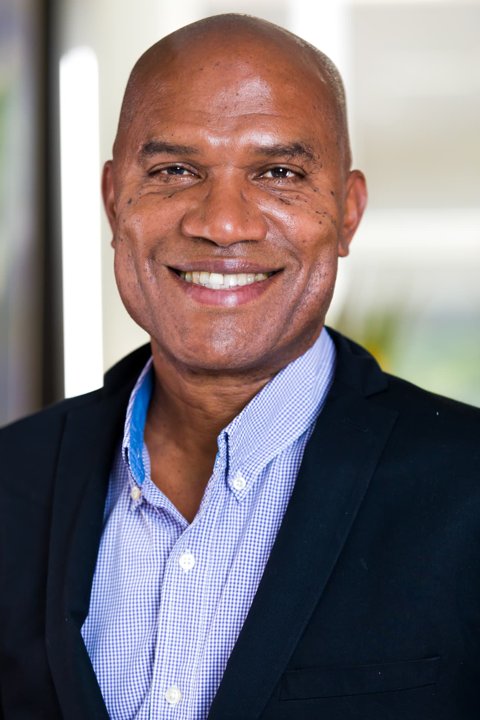
Rohan Hall
Rohan Hall is a technology entrepreneur, AI architect and author with four decades of technology experience, now focused on practical AI across business, education, government and global impact. He founded OceSha Ventures, builds the OceSha AI platform and Lumi, and wrote The Convergence of AI and the Top 10 Emerging Technologies.
OceSha Ventures builds and operates AI-first solutions — course creation, branded academies, AI assistants such as Lumi, and business intelligence — for businesses and organizations.