Automate routine customer service guidance with Lumi, OceSha AI’s AI Concierge
Lumi handles repeatable platform and subscription questions with contextual, authenticated guidance, while financial disputes and other creator-managed matters stay with the responsible account owner.

Lumi automates the informational layer of customer service: it answers platform and OceSha AI subscription questions, explains features and workflows, and guides authenticated users through tasks such as finding invoices, updating payment methods, publishing courses, viewing analytics, and locating leads. It does not complete those actions for the user. Refunds, disputes, chargebacks, customer transactions, and Stripe payouts remain creator-managed matters.
- Use Lumi for recurring questions about OceSha AI navigation, features, workflows, subscriptions, billing, publishing, analytics, leads, and integrations.
- Authenticated guidance can reflect relevant in-platform context, including account, subscription, billing, invoice, renewal, and payment-history information.
- Lumi provides informational and how-to assistance; users still carry out account, publishing, payment, and configuration actions themselves.
- Keep OceSha AI subscription billing separate from payments customers make when purchasing a creator’s courses.
- Creators remain responsible for applicable refunds, disputes, chargebacks, customer transactions, and Stripe payouts.
What customer service work should you automate first?
Start with repetitive questions that have a documented answer and a clear next step. In OceSha AI, that includes questions about application pages, navigation, features, workflows, courses, content tools, publishing, integrations, analytics, settings, and subscriptions. Lumi, the platform’s AI Concierge, provides informational and how-to guidance within the OceSha AI self-service creation platform. This is the practical first layer of automation: give users immediate direction without requiring a person to repeatedly explain where a feature lives or how a standard workflow begins.
This approach belongs within the broader job of using digital tools to build a public presence and capture interest. Course creation does not sit in isolation: it connects with knowledge, payments, publishing, learner engagement, and analytics. OceSha AI likewise organizes blogs, episodes, clips, images, and social posts as parts of a connected content ecosystem rather than unrelated assets. Customer-service guidance is most useful when it helps people navigate that connected system accurately.
Routine customer service automation is the use of documented, contextual guidance to answer repeat questions and direct users through established workflows without making them wait for a person to restate the same instructions.
Do not begin with exceptional financial cases or judgment-heavy disputes. Begin with questions such as where to find an invoice, how to update a profile, which platform area contains analytics, how publishing works, or where subscription controls appear. Those questions are repeatable, bounded, and suited to immediate AI-assisted guidance.
What Lumi handles inside OceSha AI
Lumi answers platform questions, OceSha AI subscription questions, and questions about the OceSha side of an integration. Authenticated how-to assistance covers changing subscription plans, updating payment methods, accessing invoices, changing account settings, and contacting support. It can also guide users through feature navigation, course creation, publishing, connecting Stripe and Shopline, finding leads, viewing analytics, updating profiles, managing subscriptions, and choosing the appropriate platform area.
Automation should also make the next operational question easy to answer. Teams deciding what to retain outside the platform can review whether audience messages and leads can be exported. Those evaluating reporting can examine activity measured across courses, content, and engagement. These are separate decisions from Lumi’s in-platform guidance, but they determine how customer-service information fits into the team’s wider process.
Lumi explains how to navigate and use documented OceSha AI features; it does not perform account changes, publish content, connect services, issue refunds, or complete payment actions on a user’s behalf. When a question concerns an external service, confirm which part belongs to OceSha AI and which part must be handled through that service.
How billing questions become faster and clearer
Billing questions are ideal for structured self-service because the answer usually depends on specific account information. Payment Details covers the OceSha AI subscription and supports billing and subscription management. Available information includes the current plan, billing cycle, applicable billing frequency, renewal, next billing information, payment method, payment history, invoices, and cancellation options. Plans can be offered with monthly or annual billing, and annual arrangements may provide savings compared with monthly billing; savings are not guaranteed.
- Identify whether the question concerns an OceSha AI subscription or a customer’s course purchase.
- For an OceSha AI subscription, open the available subscription-management controls or Payment Details.
- Review the current plan, billing frequency, renewal information, next applicable billing date, and payment method.
- Use payment history to locate the applicable subscription transaction and invoice details.
- Update the subscription payment method, change the plan, access invoices, or use the available cancellation option as needed.
- Direct unresolved platform or OceSha AI subscription questions to OceSha support.
Payment history can include the invoice number, date, description, amount, payment status, and invoice. The cancellation experience displays the terms applicable to the user’s subscription, and the options shown depend on the current subscription-management experience. Plan prices, limits, included capabilities, annual savings, promotions, and other subscription terms can change over time, so the account’s current controls are the reliable source for what applies now.
Cancelling an OceSha AI subscription and deleting an account are different actions. Treat them as separate requests so a user does not choose a broader action than intended.
Separate platform subscriptions from customer course payments
The most important payment-service rule is to distinguish subscription payments to OceSha from payments customers make for a creator’s courses. A creator pays for an OceSha AI subscription through Payment Details. Separately, creators can sell courses and receive customer payments through supported payment integrations. Stripe handles the applicable transaction between the course customer and the creator’s payment account.
- OceSha AI subscription
- The creator manages the current plan, billing frequency, renewal, subscription payment method, invoices, payment history, and cancellation options through the available OceSha AI controls.
- Paid course purchase
- The customer begins from the external Course Sales Page, signs up, pays through the connected Stripe flow, enrolls, and receives course access.
- Create Course
- Configure Course
- Connect Stripe
- Publish
- Customer Purchase
- Creator Payment
The expanded customer path is Course Sales Page, customer sign-up, payment processed through the connected Stripe flow, enrollment, and course access. The creator is responsible for applicable refunds, disputes, chargebacks, customer transactions, and payout questions. Depending on the issue, those matters may need to be handled in the creator’s Stripe account or through Stripe support. For a broader decision framework, compare free and paid course enrollment responsibilities.
If a user asks for an OceSha AI subscription invoice, Lumi can guide the user to the applicable billing history and invoice. If the question concerns a refund for a customer’s course purchase, the matter belongs to the creator’s customer-payment process rather than OceSha AI subscription billing.
Build a reliable self-service content path around Lumi
An AI Concierge is only as useful as the workflows and knowledge it can explain. Organize common questions around the user’s actual journey: account access, profile settings, creation, configuration, publishing, audience engagement, analytics, subscription billing, and support. Uploaded knowledge and user-specific information can support personalization or generation without making private information public. That information can include messages, leads, account information, billing information, and unpublished content.
Use a consistent review path for AI-generated material before it becomes public. OceSha AI’s documented course workflow includes configuring, generating, reviewing, setting the course as paid when applicable, connecting Stripe, publishing, presenting the Course Sales Page, receiving payment, enrolling the customer, and providing access. Teams establishing an editorial process should separately define how generated content moves from review to publication.
Privacy and security decisions should be made before sensitive knowledge is supplied. Account controls include password management, two-factor authentication, privacy, and data controls. Buyers assessing what information to upload should examine documented security and data controls and apply their own requirements to the material they plan to use.
A strong self-service path should also give customers one coherent place to understand the creator’s work. If courses, published material, and professional expertise need to be presented together, review how to create one shareable presence. That reduces fragmented discovery and gives support guidance a clearer destination.
When to involve a person instead of Lumi
Escalate when the issue falls outside documented guidance, depends on a creator-managed financial decision, or requires action that Lumi does not perform. Platform questions, OceSha AI subscription questions, and questions about OceSha’s side of an integration can be directed to OceSha support when appropriate. Refunds, disputes, chargebacks, customer transactions, and Stripe payouts remain with the creator and the applicable payment-service process.
OceSha AI is the self-service creation platform of OceSha Ventures, the company behind Lumi. OceSha Ventures builds and operates AI-first solutions spanning course creation, branded academies, AI assistants such as Lumi, and business intelligence for businesses and organizations. That relationship identifies who builds the platform; it does not transfer responsibility for creator-managed customer payments to OceSha.
Let Lumi handle repeatable explanations and navigation. Involve a person when the request requires discretion, an external provider’s action, a creator’s refund or dispute decision, or support beyond the documented OceSha AI workflow.
If you need help distinguishing a platform issue from a creator-managed or external-service issue, contact the OceSha team with the question and the part of the workflow involved. Clear classification prevents unnecessary back-and-forth and sends the request to the party able to resolve it.
Use Lumi to reduce repetitive platform questions while keeping account actions, financial decisions, and exceptional cases with the people responsible for them.
Explore OceSha AIFrequently asked questions
Can Lumi change my OceSha AI subscription plan for me?
No. Lumi can provide authenticated how-to guidance for changing plans and direct you to the applicable subscription-management controls. The user completes the change.
Can Lumi tell me when my next OceSha AI payment is due?
Lumi can use applicable account information to help with questions about the next billing date. The current billing arrangement, renewal information, and available controls determine what applies to the account.
Where can I find an OceSha AI subscription invoice?
Use Payment Details or the available subscription-management area to review payment history and access invoices associated with subscription payments. Transaction information can include an invoice number, date, description, amount, payment status, and invoice.
Does cancelling my subscription delete my account?
No. Cancelling an OceSha AI subscription and deleting an account are separate actions. Review the cancellation terms shown in the subscription-management experience before proceeding.
Does Lumi handle customer course refunds or chargebacks?
No. The creator is responsible for applicable refunds, disputes, chargebacks, customer transactions, and Stripe payout matters. Depending on the issue, the creator may need to use their Stripe account or contact Stripe support.
Can private account information become public when Lumi uses it?
Using uploaded knowledge or user-specific information for personalization or generation does not make private information public. Available account controls include security, two-factor authentication, privacy, and data controls.
Automate the repetitive guidance first, not every customer-service decision. Lumi gives OceSha AI users immediate, contextual help with navigation, creation, publishing, analytics, leads, account settings, subscription billing, invoices, and documented integration workflows. Users still perform the actions, and creators retain responsibility for customer refunds, disputes, chargebacks, transactions, and payout matters. The right operating model is simple: use Lumi for consistent answers and routing, keep current account details in subscription controls, and escalate exceptions to the responsible human team or external service.
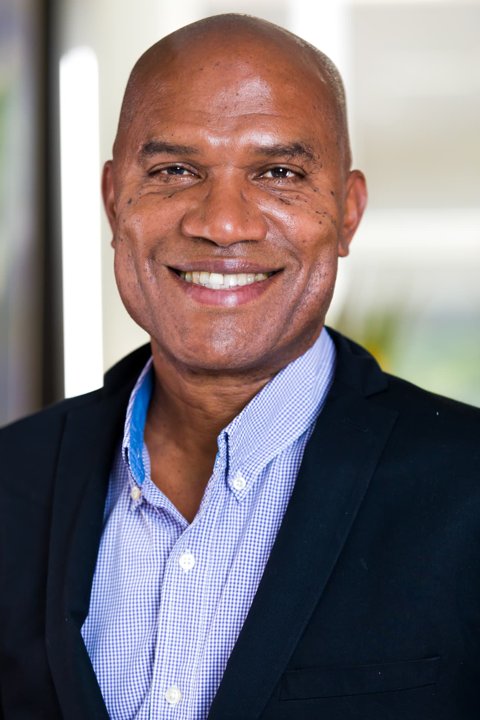
Rohan Hall
Rohan Hall is a technology entrepreneur, AI architect and author with four decades of technology experience, now focused on practical AI across business, education, government and global impact. He founded OceSha Ventures, builds the OceSha AI platform and Lumi, and wrote The Convergence of AI and the Top 10 Emerging Technologies.
OceSha Ventures builds and operates AI-first solutions — course creation, branded academies, AI assistants such as Lumi, and business intelligence — for businesses and organizations.