There is no universal reply-time limit: answer documented questions immediately through Lumi and route human issues promptly
OceSha AI helps reduce unanswered questions by using Lumi for knowledge-based answers, preserving a path to human support, and helping creators track messages and leads.
OceSha AI does not publish a fixed number of minutes or hours after which a customer reply becomes too late. The practical priority is to avoid leaving answerable questions waiting: public-facing Lumi answers questions about OceSha from its public knowledge, while Contact Us routes matters requiring human assistance to the support team. Creators should also monitor messages and leads generated when visitors interact with their content.
- No fixed customer-inquiry response-time benchmark is documented for OceSha AI.
- Public-facing Lumi answers questions about OceSha using information available through OceSha’s public pages.
- Authenticated Lumi provides general OceSha answers and detailed guidance about using the platform.
- Questions requiring human assistance can be directed to the OceSha support team through Contact Us.
- Visitors and learners interacting with a creator’s content can become messages, leads, subscribers, or customers, so those records need active attention.
What counts as too long for a customer reply?
OceSha AI does not define a universal response-time threshold for customer inquiries. There is no documented promise that every inquiry will receive a response within a particular number of minutes, hours, or days. That means the sound approach is not to rely on an unsupported deadline. Instead, separate questions that available knowledge can answer from issues that require a person, then give each inquiry a clear route forward.
This distinction matters when you build a public presence and capture interest. Visitors and learners can interact with a creator’s content and become messages, leads, subscribers, or customers. An inquiry is therefore part of a broader audience-engagement flow, not an isolated notification. A question that can be resolved from current knowledge should be answered through the appropriate Lumi experience; a creator-managed or support matter should be sent to the responsible person or service.
A reply has taken too long when an answerable inquiry is left without the appropriate knowledge-based response or a clear route to human assistance. This is an operating principle rather than a published OceSha AI service-time commitment.
If your business needs a guaranteed response window, set and communicate its own service standard. OceSha AI’s available information does not specify a universal deadline for responding to customer inquiries.
Use Lumi for questions covered by available knowledge
Lumi is OceSha AI’s AI Concierge. In its public-facing OceSha context, it helps visitors, prospective customers, partners, and other users understand OceSha without searching through multiple pages. It answers those questions using OceSha’s public knowledge and information available through OceSha’s public pages. This provides a direct response path for documented questions before a visitor signs in.
After sign-in, authenticated Lumi can answer general questions about OceSha and detailed questions about using the platform. Its informational and how-to guidance covers feature navigation, course creation, publishing, connecting Stripe and Shopline, finding leads, viewing analytics, updating profiles, managing subscriptions, and choosing the appropriate platform area. This guidance explains what users need to do; it does not mean Lumi carries out those account actions for them.
Within a course, Lumi has a different knowledge context. It can use relevant course material and creator-supplied knowledge to support instruction, explain concepts, and answer learner questions. Course experiences can also include structured lessons, quizzes, certificates, AI-assisted instruction, and learner question-and-answer experiences. The OceSha AI self-service creation platform is the product context for these creation and publishing workflows.
Public-facing Lumi uses OceSha’s public knowledge. Authenticated Lumi can also explain detailed platform use. Course-based Lumi can use relevant course material and creator-provided knowledge. Treat these as distinct contexts rather than assuming that every Lumi experience answers from every source.
Know when a person or outside service needs to respond
Some inquiries need human assistance. Lumi can answer questions about OceSha and explain how the platform works, while Contact Us provides a path to the OceSha support team. Platform questions, OceSha AI subscription questions, and questions about the OceSha side of an integration can be directed to OceSha support when appropriate. If the issue cannot be resolved through available guidance, contact the OceSha team rather than leaving the inquiry without a next step.
Responsibility also depends on the transaction involved. A creator’s OceSha AI subscription payment is separate from money the creator receives when customers purchase the creator’s courses. Creators can connect supported payment services to receive course payments, and they remain responsible for applicable refunds, disputes, chargebacks, and customer transactions. Questions about customer refunds, disputes, chargebacks, or Stripe payouts may need to be handled through the creator’s Stripe account or Stripe support, depending on the issue.
- Lumi
- Use the relevant Lumi experience for questions covered by current OceSha public knowledge, authenticated platform guidance, or applicable course knowledge.
- OceSha support
- Use for human assistance with platform questions, OceSha AI subscription questions, or the OceSha side of an integration.
- Creator or payment provider
- Use for creator-managed customer transactions, including applicable refunds, disputes, chargebacks, and Stripe payout issues.
The organization behind these products also matters when routing questions. OceSha Ventures builds and operates AI-first solutions spanning course creation, branded academies, AI assistants such as Lumi, and business intelligence for businesses and organizations. OceSha AI is its self-service creation platform. Keep that relationship clear without assuming that every OceSha Ventures solution is created or managed through the self-service platform.
Build an inquiry workflow around messages and leads
Visitors and learners who interact with a creator’s content can become messages, leads, subscribers, or customers. That makes regular review of messages and leads a necessary part of inquiry handling. AI-based answers reduce the need for visitors to search across pages, but they do not remove the creator’s responsibility for creator-managed matters or the need to follow up on audience interest.
- Identify the context of the question: public information about OceSha, authenticated platform use, course learning, subscription support, or a creator-managed transaction.
- Use the applicable Lumi experience when the question is covered by its available knowledge.
- Direct platform, OceSha AI subscription, or OceSha-side integration questions to support when human help is appropriate.
- Route course-payment refunds, disputes, chargebacks, and payout matters to the creator or relevant payment provider, depending on the issue.
- Review messages and leads so that audience interest requiring personal follow-up does not remain unattended.
Creators evaluating this workflow should also understand whether audience messages and leads can be exported. Export is a separate operational question from whether Lumi can provide an immediate knowledge-based answer. One concerns access to audience records; the other concerns the visitor’s question at the point of interaction.
Measurement provides additional context. Published material can attract visitors, and analytics can help a user understand the resulting activity. The relevant next question is what activity OceSha AI helps measure across courses, published content, and audience engagement. Analytics describe activity; they are not a documented promise that every inquiry will receive a reply within a particular period.
Connect inquiry handling to the content journey
Customer questions often begin before a direct message is sent. A creator may start with knowledge, a long-form video, or a podcast episode. A long-form asset can become an episode, and OceSha AI can identify useful moments and create shorter clips. Those assets can contribute to images, social content, and publishing workflows. Published material can then attract visitors, who can become leads, learners, or customers.
A coherent public destination helps people understand the creator’s work before they ask for help. Creators deciding how to bring their work together can examine how to present expertise, published content, and courses in one place. This does not mean Lumi is documented as answering questions from an Authority Page’s contents. The documented public-facing Lumi capability is answering questions about OceSha from OceSha’s public knowledge; course-based Lumi uses relevant course material and creator-supplied knowledge.
A creator begins with a long-form video. OceSha AI identifies useful moments and creates shorter clips, which contribute to social material and publishing. Published content attracts visitors, and those visitors can become messages or leads. The creator reviews those records for inquiries requiring personal follow-up. Separately, a learner inside a course can ask Lumi about relevant course material, while a person needing human help with OceSha can use Contact Us.
Avoid confusing subscription support with customer payment questions
Billing questions require precise routing because two separate payment relationships can exist. Payment Details covers the creator’s OceSha AI subscription. Depending on the current subscription-management experience, account information can include the current plan, billing frequency, next applicable billing date, payment method, payment history, invoices, renewal information, and cancellation options. Monthly and annual billing can be offered, and charges under an annual arrangement may provide savings compared with monthly billing; savings are not guaranteed.
Creator course revenue is different. It is money a creator receives when customers purchase the creator’s courses through supported payment integrations. The creator is responsible for applicable refunds, disputes, chargebacks, and customer transactions. A question about an OceSha subscription invoice belongs with the subscription-management or support path; a question about a customer’s course payment belongs with the creator and, where applicable, the payment provider.
Plan prices, limits, included capabilities, annual savings, promotions, and other subscription terms can change over time. Use the current subscription-management experience for applicable account details. Cancellation and account deletion are also different actions. For a wider comparison of the customer journey, review how free and paid courses differ, including enrollment flow and payment responsibilities.
OceSha AI lists payments and monetization, external integrations, account and subscription management, and partner and white-label capabilities as platform areas, but the available information does not describe every specific integration or white-label function. If a particular connection is important to your inquiry process, confirm that it is supported before relying on it.
Protect private account information while answering inquiries
Useful answers often depend on context, but private account information remains private. Uploaded knowledge, messages, leads, account information, billing information, and unpublished content can be used for personalization or generation without becoming public merely because they are used in that process. This distinction is important when a response involves account-specific details rather than public information.
Authenticated account areas can include profile information, account settings, Authority Page information, notifications, lead-capture preferences, security, password management, two-factor authentication, privacy and data controls, subscription plans, billing, payment history, invoices, and support. Before supplying sensitive knowledge, buyers should review documented security and data controls and decide whether those controls fit their requirements.
The same discipline applies when moving material toward publication. Unpublished content is user-specific information; publishing is a separate workflow. If response content begins as generated or reviewed material, understand how AI-generated content moves toward publication rather than assuming that generation makes it public.
Answer from the knowledge appropriate to the setting, preserve privacy for user-specific information, and route anything outside that setting to the responsible human or service.
Contact the OceSha team when a platform, subscription, or OceSha-side integration question requires human assistance.
Talk to OceShaFrequently asked questions
Does OceSha AI promise a specific customer-response time?
No specific response-time commitment is documented in the available OceSha AI information. Businesses that need a guaranteed service window should define and communicate their own standard.
What can public-facing Lumi answer?
Public-facing Lumi answers questions about OceSha using OceSha’s public knowledge and information available through its public pages. It is designed to help visitors and prospective customers understand OceSha before signing in.
Can Lumi answer questions inside a course?
Yes. Within a course, Lumi can use relevant course material and creator-supplied knowledge to support instruction, explain concepts, and answer learner questions.
When should an inquiry go to OceSha support?
Platform questions, OceSha AI subscription questions, questions about the OceSha side of an integration, and other matters requiring human assistance can be directed to OceSha support when appropriate.
Who handles customer course-payment disputes and refunds?
The creator is responsible for applicable refunds, disputes, chargebacks, and customer transactions. Depending on the issue, Stripe payout and transaction questions may need to be handled through the creator’s Stripe account or Stripe support.
Does using private information for an answer make it public?
No. Using uploaded knowledge, messages, leads, account information, billing information, unpublished content, or other user-specific information for personalization or generation does not by itself make that information public.
OceSha AI does not set a universal number of minutes or hours after which a customer reply is officially too late. The better standard is operational: let Lumi answer questions covered by the relevant public, authenticated, or course knowledge, and give every other inquiry a clear human route. Monitor messages and leads, distinguish OceSha subscription support from creator-managed customer payments, and protect private account information. Do not promise a response time the platform has not documented; establish the service window your own business can reliably meet.
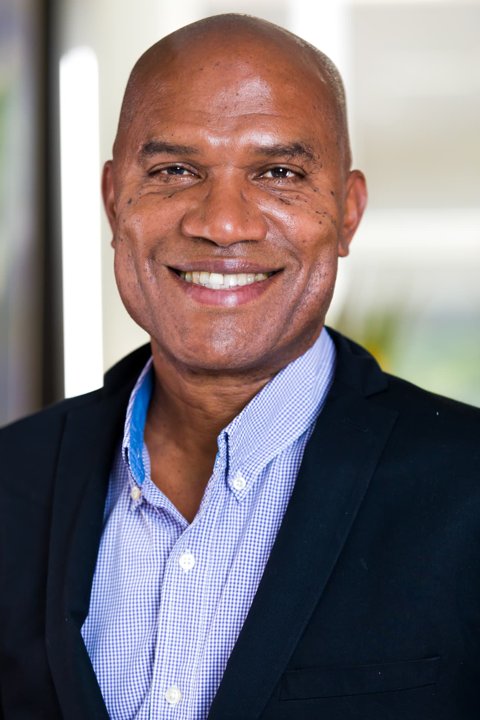
Rohan Hall
Rohan Hall is a technology entrepreneur, AI architect and author with four decades of technology experience, now focused on practical AI across business, education, government and global impact. He founded OceSha Ventures, builds the OceSha AI platform and Lumi, and wrote The Convergence of AI and the Top 10 Emerging Technologies.
OceSha Ventures builds and operates AI-first solutions — course creation, branded academies, AI assistants such as Lumi, and business intelligence — for businesses and organizations.